

A van breakdown can disrupt your working day, delay deliveries and leave you stranded when you least expect it. Whether you use your van for trade work, courier services, business travel or personal journeys, an unexpected mechanical problem can affect your plans and create additional costs.
Knowing what to do when your van stops working can help you stay safe and arrange appropriate assistance. Problems such as a flat battery, engine failure, damaged tyre or gearbox fault may make it unsafe or impossible to continue driving. Understanding your options for Van Recovery in Norwich can help you make informed decisions when your vehicle needs roadside assistance or transportation.
This guide explains common van breakdown causes, what to do at the roadside, how the recovery process works and how regular maintenance can help reduce the risk of unexpected problems.
What Is Van Recovery?
Van recovery is a service that helps when a van cannot safely continue its journey because of a breakdown, accident or mechanical fault. Depending on the situation, assistance may involve resolving a minor issue at the roadside or transporting the vehicle to a garage, home address or another agreed destination.
Vans often carry tools, stock, equipment or other goods, so their size and load may affect the recovery arrangements. Providing accurate information about the vehicle helps the recovery operator assess what equipment and method may be suitable.
Van recovery may be required for several reasons, including:
- Engine failure or overheating
- Flat batteries and starting problems
- Punctured or damaged tyres
- Clutch or gearbox faults
- Electrical problems
- Fuel-related issues
- Accident damage
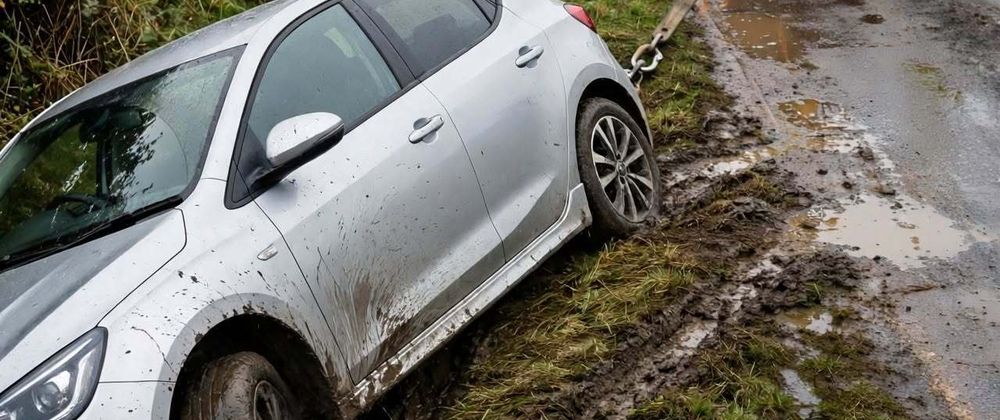
- Vans stuck in mud or on uneven ground
- Mechanical problems that make driving unsafe
The correct recovery method depends on the van's condition, location, weight and accessibility.
What Should You Do If Your Van Breaks Down in Norwich?
A breakdown can be stressful, especially if you have work commitments or deliveries to complete. However, protecting yourself and other road users should always be the priority.
1. Stop Somewhere Safe
If you notice unusual noises, warning lights or a loss of power, try to move the van to a safe place if you can do so without creating additional danger. Avoid stopping in a live traffic lane wherever possible.
If you break down on a motorway, follow the Highway Code's instructions for breakdowns and incidents. Use an emergency area or hard shoulder where available and safe, and never attempt repairs in a live lane.
2. Switch on Your Hazard Lights
Hazard warning lights help alert other drivers that your vehicle is stationary or experiencing a problem. If visibility is poor, use appropriate vehicle lighting where possible.
3. Keep Yourself and Passengers Safe
Stay away from moving traffic. On a motorway, leave the vehicle on the side furthest from traffic if it is safe to do so, and wait behind a safety barrier where available. If exiting would be unsafe, remain inside with your seat belt fastened and contact the appropriate emergency service if necessary.
Avoid attempting roadside repairs in a dangerous location or unloading heavy equipment beside traffic.
4. Identify Your Exact Location
When requesting assistance, provide the road name, nearby landmarks, direction of travel and any useful location details from a map application or roadside marker. Clear information helps the operator locate your van.
5. Explain the Problem Clearly
Tell the recovery provider whether the engine starts, whether the van can move and whether you have noticed smoke, leaks, warning lights or unusual noises. Mention any damage, unusual load or access restrictions.
These details help the provider assess the situation and determine what type of assistance may be appropriate.
Common Reasons Vans Break Down
Vans are often used for frequent journeys and may carry substantial loads. Regular use can place demands on tyres, batteries, brakes and other components.
Battery Problems
A flat or failing battery may prevent the engine from starting. Common signs include clicking noises, dim dashboard lights or slow engine cranking.
A jump-start may help in some cases, but repeated battery problems can indicate an ageing battery or a fault in the charging system. A professional check can help identify the underlying cause.
Engine Overheating
Overheating can be caused by cooling-system faults, low coolant or other mechanical problems. Warning signs may include a rising temperature gauge, steam or unusual smells.
Stop in a safe location and switch off the engine. Allow it to cool before any checks, and never open a hot, pressurised coolant system. Continuing to drive may cause further engine damage.
Tyre Punctures and Wheel Damage
A puncture, damaged sidewall or wheel problem can make a van unsafe to drive. This is particularly important when a van is carrying tools, materials or goods.
If a tyre fails while driving, reduce speed gradually and stop somewhere safe. Do not attempt to change a wheel beside moving traffic.
Clutch and Gearbox Faults
Difficulty changing gears, a slipping clutch or unusual transmission noises may indicate a serious mechanical problem. Continuing to drive could worsen the fault or leave the vehicle unable to move.
Electrical Faults
Electrical issues may affect the starter motor, lights, dashboard displays and other vehicle systems. If a safety-related system stops working or the van becomes unreliable, arrange appropriate assistance rather than taking unnecessary risks.
Fuel-Related Problems
Running out of fuel, using the wrong fuel or experiencing a fuel-system fault can stop a van from running. Explain what happened when requesting assistance, particularly if the vehicle may contain the wrong fuel.
How Does Van Recovery Work?
The recovery process depends on the vehicle's condition, its location and where it needs to go. Providing accurate information at the beginning can help avoid delays.
Step 1: Request Assistance
Give the provider your location, van make and model, and a description of the problem. If the van is carrying a load, explain what it contains and whether it can be safely left in place during transportation.
Step 2: Assess the Vehicle's Condition
The operator may ask whether the van starts, rolls, steers and brakes. They may also need to know about damaged wheels, collision damage or restricted access.
This information helps determine whether roadside assistance or transportation using suitable recovery equipment may be required.
Step 3: Agree on the Destination
Depending on the fault, the van may be taken to a garage, home address, business premises or another agreed location.
Confirm the destination and ask about mileage, waiting time and additional charges before the recovery takes place where possible.
Step 4: Prepare for Collection
If it is safe, remove essential personal belongings and keep the vehicle keys available. Follow the recovery operator's instructions, and do not attempt to push or reposition a damaged van in an unsafe location.
Explain any restrictions such as narrow access roads, height barriers or limited parking space.
Why Van Size and Load Matter During Recovery
Not every recovery vehicle is suitable for every van. Vehicle dimensions, weight, body style and cargo can affect which equipment is needed.
A compact van carrying light items may present different requirements from a long-wheelbase or high-roof commercial vehicle carrying tools or materials.
When requesting recovery, provide details such as:
- The van's make and model
- Its approximate size and weight, if known
- Whether it is carrying tools, stock or other goods
- Whether it can roll, steer and brake
- Any damage affecting the wheels or suspension
- Restrictions at the collection or delivery location
The load must be considered as part of the recovery plan. Never assume that a heavily loaded van can be transported using standard equipment without checking its suitability.
Van Recovery for Tradespeople and Businesses
For tradespeople, couriers and small businesses, a van is often essential for daily operations. A breakdown can affect customer appointments, deliveries and deadlines.
Protect Tools and Equipment
If your van carries valuable tools or equipment, explain this when arranging assistance. Remove essential belongings only when it is safe and practical to do so.
Consider Deliveries and Time-Sensitive Goods
If the van contains goods that need to be delivered or stored properly, consider what arrangements may be needed while the vehicle is being recovered. Do not unload heavy items in an unsafe roadside location.
Check Business or Fleet Cover
If the vehicle is leased, insured for business use or covered under a fleet policy, check whether particular recovery arrangements or approved destinations apply.
Keep Relevant Records
Retain recovery receipts, repair details and other relevant documents for your business records or insurance process.
Vehicle Recovery Options in Norwich and the Surrounding Area
Recovery requirements can vary depending on where a van stops. A breakdown in a busy urban street may involve limited loading space, while a problem on a rural road may require careful access planning.
When arranging assistance, provide the exact location and mention any hazards or restrictions. Explain whether the van is blocking traffic, has left the road or is positioned somewhere difficult to access.
Drivers researching wider recovery options may also find information about Vehicle Recovery in Norwich useful when learning about recovery-related services and considerations in the local area.
Regardless of the location, clear communication helps the operator understand the vehicle's condition and plan a suitable response.
When Is Towing or Vehicle Transportation Necessary?
Some breakdowns can be resolved at the roadside, but others require the vehicle to be transported.
Recovery or towing may be necessary when:
- The engine will not start.
- The steering, brakes or suspension may be damaged.
- A tyre or wheel problem makes driving unsafe.
- The vehicle has suffered accident damage.
- The van is stuck and cannot move safely.
- Continuing to drive could worsen the fault.
Towing is one way of moving a vehicle, but it is not suitable for every fault or vehicle type. A recovery truck may be more appropriate when the van has damaged wheels, transmission problems or other faults that make conventional towing unsuitable.
Always explain the problem to the recovery provider and follow their advice rather than attempting improvised towing.
Can the Same Recovery Principles Apply to Motorcycles?
Cars, vans and motorcycles have different dimensions, weights and loading requirements, but the same basic principle applies: a vehicle should not be driven if a fault or damage makes it unsafe.
Motorcycles may need recovery following a breakdown, puncture, accident or starting problem. Their balance, exposed components and loading requirements mean that suitable equipment and secure handling are important.
Drivers who want to understand the considerations involved with two-wheeled vehicles can read about Motorbike Recovery in Norwich. The type of vehicle, its condition and the location should always be explained when arranging assistance.
How Can You Reduce the Risk of a Van Breakdown?
Not every breakdown can be prevented, but regular checks and maintenance can help identify problems before they interrupt a journey.
Check Tyres and Pressure
Inspect tyres regularly for damage, cuts, bulges and uneven wear. Follow the manufacturer's guidance for tyre pressure and load requirements.
Maintain the Battery
If the van starts slowly or has repeated electrical problems, arrange a battery and charging-system check. Addressing the cause early may reduce the chance of being stranded.
Monitor Warning Lights
Do not ignore persistent warning lights or unusual changes in performance. Consult the vehicle handbook and arrange a professional inspection when needed.
Check Oil and Coolant
Follow the handbook when checking fluid levels. Investigate leaks and repeated low levels rather than simply topping up without identifying the cause.
Arrange Regular Servicing
Follow the manufacturer's maintenance schedule and address unusual noises, vibrations, braking issues or steering changes promptly.
Secure Loads Correctly
Ensure tools, materials and goods are distributed and secured appropriately. Avoid exceeding the van's permitted weight limits, as excess weight can affect handling and braking.
Prepare Before Longer Journeys
Check fuel, tyres, lights and general vehicle condition before setting off. Keep a charged phone and suitable emergency supplies available, especially when travelling between towns or working at remote locations.
Frequently Asked Questions
What should I do if my van breaks down in Norwich?
Move to a safe location if possible, switch on your hazard lights and keep yourself and passengers away from moving traffic. Identify your location and contact a suitable recovery provider. If anyone is injured or you are in immediate danger, contact emergency services.
Can a recovery service transport a van that will not start?
Yes, a suitable recovery provider may be able to transport a van that will not start. The method depends on the vehicle's condition, whether its wheels can roll and steer, and the access available at the location.
How much does van recovery cost in Norwich?
Costs can vary depending on the distance, vehicle size, location, condition, equipment required and destination. Ask for a clear explanation of the charges, including any additional fees, before confirming the service where circumstances allow.
Can a loaded van be recovered?
This depends on the van's weight, the load and the recovery equipment available. Explain what the vehicle is carrying and provide its approximate weight if known so the operator can assess whether it can be transported safely.
Is towing suitable for every van breakdown?
No. Towing may be unsuitable if the vehicle has damaged steering, brakes, wheels or transmission components. The safest method depends on the fault and the vehicle manufacturer's requirements.
Can van recovery help after an accident?
Yes. If collision damage makes the van unsafe to drive, a suitable recovery provider may be able to transport it to a garage or another agreed destination. Explain the damage and any hazards when requesting assistance.
How can I prevent my van from breaking down?
Regular servicing, tyre checks, battery maintenance, fluid checks and prompt attention to warning lights can help reduce the risk of some breakdowns. Before longer journeys, check the vehicle's general condition and ensure the load is secure.
What is the difference between van recovery and roadside assistance?
Roadside assistance may help resolve certain faults at the scene. Van recovery is a broader term that can include transporting the vehicle when it cannot be repaired safely or quickly at the roadside. The available services depend on the provider and any cover you hold.
Final Thoughts
A van breakdown can disrupt work and personal plans, but a safety-first approach can make the situation easier to manage. Move away from traffic where possible, explain your location clearly and provide accurate information about the van's condition when requesting assistance.
For commercial vehicles, details about size, weight and cargo are especially important. Confirm the recovery method, destination and charges, and avoid attempting unsafe roadside repairs or improvised towing.
Regular maintenance and sensible preparation can help reduce the likelihood of some breakdowns. When a problem occurs, understanding your recovery options helps you make informed decisions about getting your van safely off the road and arranging the next steps.







Top comments (0)