

What Spinal Issues Really Are
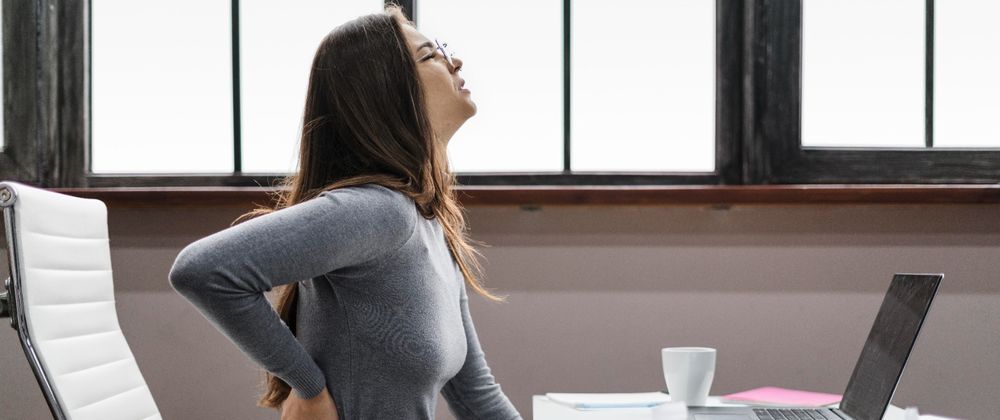
Spinal issues refer to any condition that affects the structure, alignment, or function of your spine. Your spine is more than just a series of bones—it’s the core support system of your body. When something goes wrong, even slightly, it can lead to discomfort, stiffness, or ongoing pain. Spinal issues may begin quietly, but they can gradually interfere with how you move and feel each day.
Why a Healthy Spine Is So Important
Your spine plays a key role in almost everything you do. It supports your posture, allows movement, and protects your nervous system. When your spine is in good shape, your body moves smoothly and efficiently. However, when spinal issues develop, they can disrupt this balance and affect your overall well-being, making simple activities feel more difficult.
How Spinal Issues Often Begin
Spinal issues don’t usually appear overnight. They tend to develop slowly due to repeated stress or poor habits. You might start noticing minor discomfort after long hours of sitting or feel stiffness when you wake up. These early signs may seem harmless, but they can grow into more serious spinal issues if left unaddressed.
Everyday Habits That Affect Your Spine
Your daily routine has a direct impact on your spinal health. Sitting for extended periods, slouching, or frequently looking down at your phone can put strain on your spine. Even how you sleep or carry heavy items can contribute to spinal issues. Being aware of these habits is the first step toward protecting your spine.
Recognizing Common Symptoms of Spinal Issues
Spinal issues can show up in various ways. You might experience back pain, neck stiffness, or reduced flexibility. Some people feel discomfort when bending or turning, while others notice tension spreading to nearby areas like the shoulders or hips. These symptoms are your body’s way of telling you something needs attention.
The Role of Posture in Spinal Health
Posture is one of the biggest factors influencing spinal issues. Poor posture places uneven pressure on your spine, leading to strain over time. Whether you’re sitting, standing, or walking, maintaining proper alignment can help reduce stress on your spine. Small changes, like sitting upright and keeping your shoulders relaxed, can make a noticeable difference.
Why Movement Is Essential for Preventing Spinal Issues
Staying active is one of the best ways to keep your spine healthy. Movement helps maintain flexibility and strengthens the muscles that support your spine. When you remain in one position for too long, your body becomes stiff, increasing the risk of spinal issues. Regular stretching and light exercise can help keep your spine in good condition.
How Stress Can Contribute to Spinal Issues
Stress doesn’t just affect your mind—it can also impact your body. When you’re stressed, your muscles often tighten, especially around the neck and shoulders. This tension can lead to discomfort and worsen spinal issues. Finding ways to relax and manage stress can help reduce this physical strain and improve your overall comfort.
Simple Ways to Support Your Spine Daily
Taking care of your spine doesn’t have to be complicated. Small changes can have a big impact. Sitting with proper support, taking regular breaks, and staying active are all simple ways to reduce strain. Paying attention to how you move and avoiding sudden, awkward motions can also help prevent spinal issues.
When Spinal Issues Need Professional Attention
While some spinal issues can improve with lifestyle changes, others may require professional care. If you experience persistent pain, limited movement, or discomfort that affects your daily life, it’s important to seek help. Early attention can prevent the problem from becoming more serious and support faster recovery.
Preventing Spinal Issues Through Healthy Choices
Prevention is always better than dealing with discomfort later. By making healthier choices, you can reduce the risk of spinal issues. This includes maintaining good posture, staying physically active, and using proper techniques when lifting objects. These habits help protect your spine and keep it functioning well.
Balancing Activity and Rest for a Healthy Spine
Your spine needs both movement and rest to stay healthy. Too much activity without proper recovery can lead to strain, while too much rest can cause stiffness. Finding the right balance allows your body to stay flexible and strong. Listening to your body’s signals can guide you in maintaining this balance.
Building a Routine That Supports Spinal Health
Creating a daily routine focused on spinal care can lead to long-term benefits. This might include stretching in the morning, taking short walks during the day, and maintaining good posture while working. Consistency is key, as these habits can gradually reduce the risk of spinal issues and improve your comfort.
Listening to Your Body’s Early Signals
Your body often gives subtle warnings before spinal issues become serious. Mild stiffness, slight discomfort, or reduced flexibility are all signs that something may be wrong. Paying attention to these signals allows you to take action early and prevent further problems.
Moving Toward a Life With Fewer Spinal Issues
Living with fewer spinal issues is possible when you take a proactive approach to your health. By understanding the causes, making small changes, and staying consistent with healthy habits, you can improve your mobility and reduce discomfort. Spinal issues don’t have to limit your daily life.
Creating a Future With Better Spinal Health
A healthy spine supports a healthier, more active lifestyle. By caring for your body, staying mindful of your habits, and addressing issues early, you can reduce discomfort and move more freely. Over time, these efforts can help you feel stronger, more comfortable, and ready to enjoy each day without limitations.






Top comments (0)