
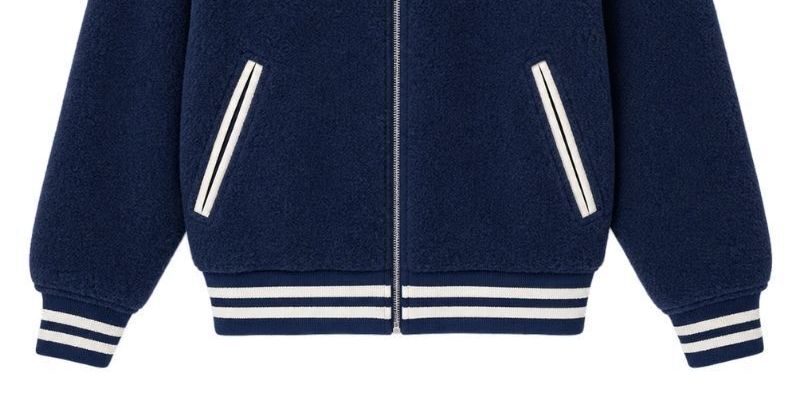

Awakeny represents a broader shift in the way people approach everyday fashion: clothing is no longer simply about following seasonal trends. For many style-conscious shoppers, the goal is to build a wardrobe that feels personal, practical, and easy to wear. Streetwear has become especially influential because it combines comfort with visual identity, allowing simple pieces to make a strong impression without looking overly calculated.
The appeal of modern streetwear comes from versatility. A well-chosen hoodie can work with denim, cargo pants, or tailored trousers. A structured jacket can change the character of a basic T-shirt and sneakers. Instead of buying an entirely new outfit for every occasion, people can create more combinations by understanding proportion, layering, texture, and color.
That approach makes streetwear accessible. You do not need a closet filled with expensive pieces to develop a recognizable look. You need a few reliable essentials, an understanding of your preferred silhouette, and enough confidence to experiment.
The result is a wardrobe that feels less like a collection of trends and more like an extension of your everyday lifestyle.
- Why Streetwear Continues to Influence Everyday Fashion Streetwear has moved far beyond its earlier associations with specific subcultures. Today, its influence can be seen across casual fashion, footwear, outerwear, and even more polished wardrobes. One reason for its staying power is adaptability. Streetwear does not require a single uniform. Someone might prefer oversized layers and sneakers, while another person may favor a cleaner combination of straight-leg trousers, a fitted tee, and a lightweight jacket. The common thread is attitude rather than a strict dress code. Modern streetwear also reflects how people actually live. Many wardrobes need to work across several situations during the same day. A person might commute, meet friends, work from a café, and go out in the evening without wanting to completely change their outfit. Comfort therefore matters just as much as appearance. Three characteristics are particularly important: Versatility: Individual garments should work with multiple outfits. Comfort: Clothing should support movement and everyday activities. Identity: The overall look should communicate something about the wearer. When these elements work together, streetwear becomes more than a trend. It becomes a practical approach to getting dressed.
- Start With the Right Fit and Silhouette Fit is one of the most important parts of streetwear styling, yet it is also one of the easiest areas to misunderstand. Oversized does not automatically mean stylish. A garment can be intentionally relaxed while still looking balanced. The goal is to understand how different proportions interact. For example, an oversized hoodie can create a strong silhouette when paired with straight or slightly tapered trousers. On the other hand, wide-leg pants can balance a shorter or more structured top. Understanding proportions Try thinking about an outfit as a combination of visual shapes rather than individual products. If the upper half is loose, consider keeping the lower half relatively controlled. If your trousers have a generous cut, a cleaner top can prevent the outfit from becoming visually overwhelming. That does not mean every outfit needs to follow a strict formula. Fashion is ultimately about experimentation. The important thing is understanding why a particular combination works. Before buying another statement piece, examine the clothes already in your wardrobe. You may discover that changing proportions creates more variety than purchasing something completely new.
- Building Around a Reliable Hoodie The hoodie remains one of the most useful garments in contemporary casual fashion. It can serve as a comfortable standalone layer or become the foundation of a more complex outfit. A well-chosen Awakeny Hoodie, for example, can be styled in several directions depending on the rest of the wardrobe. For a relaxed weekend outfit, combine a hoodie with loose denim and low-profile sneakers. For a more layered appearance, place it beneath a jacket and add straight-leg trousers. During transitional weather, a hoodie can provide warmth without requiring a heavy coat. When choosing a hoodie, pay attention to: Shoulder placement – Decide whether you prefer a naturally dropped or more structured shoulder. Body length – The hem should work with the rise of your trousers. Fabric weight – Heavier materials can create a stronger silhouette, while lighter fabrics are easier for layering. Color – Neutral shades provide more combinations, while stronger colors can become a focal point. Details – Graphics, embroidery, hardware, and finishing can change the overall character. The best hoodie is not necessarily the loudest one. It is the one that fits naturally into the way you already dress.
- Make Jackets the Key Layer Outerwear can completely transform a simple outfit. A basic T-shirt and jeans may feel ordinary on their own, but adding the right jacket introduces structure and visual interest. A versatile Awakeny Jacket can be approached as the final layer that brings the outfit together rather than simply something worn for warmth. Consider the environment when choosing one. Lightweight jackets make sense for transitional seasons, while heavier outerwear works better during colder months. Your preferred silhouette matters too. Three easy jacket combinations Casual: T-shirt + relaxed denim + sneakers + lightweight jacket. Layered: Hoodie + straight-leg trousers + jacket + everyday sneakers. Clean streetwear: Minimal sweatshirt + tailored or structured pants + simple jacket + understated footwear. The key is balance. If the jacket has a strong graphic or distinctive construction, keep some of the other elements relatively quiet. That creates visual hierarchy without making the outfit feel chaotic.
- Use Color Without Overcomplicating Your Wardrobe Color is another area where streetwear offers plenty of room for experimentation. A common mistake is assuming that every outfit needs several contrasting colors. In reality, some of the strongest everyday looks use only two or three tones. Neutral shades such as black, white, gray, navy, olive, beige, and brown provide an excellent foundation. Once those colors are comfortable, adding one stronger accent becomes much easier. Try the one-accent approach Start with a neutral base and introduce one noticeable color through a hoodie, jacket, sneakers, cap, or other accessory. For example: Black trousers White or gray T-shirt Neutral sneakers One colored outer layer This approach keeps the outfit visually controlled while still giving it personality. You can also experiment with tonal dressing. Different shades of the same color create depth without requiring strong contrast. The goal is not to follow a fixed color formula. It is to understand which combinations make you feel comfortable and confident.
- Layering Creates More Outfits From Fewer Clothes Layering is one of the easiest ways to make a relatively small wardrobe feel much larger. A single T-shirt can look completely different beneath a hoodie, overshirt, bomber, or lightweight jacket. This means that purchasing versatile layers can sometimes be more useful than collecting numerous standalone statement pieces. A practical layering system might include: Basic T-shirts Sweatshirts or hoodies Lightweight overshirts Casual jackets Seasonal outerwear The trick is to consider fabric weight. Thin garments should generally sit closer to the body, while heavier layers work better on the outside. Length matters too. A small amount of contrast between layers can add dimension to an outfit. For instance, a T-shirt extending slightly below a sweatshirt can create an intentional layered effect. Layering also allows you to adapt to changing temperatures without sacrificing your overall look.
- Balance Statement Pieces With Everyday Essentials Statement clothing can be exciting, but wearing too many attention-grabbing pieces at once can make an outfit feel disconnected. Instead, choose one element to lead. That could be: A graphic hoodie A distinctive jacket Wide-leg trousers Bold sneakers An unusual accessory Once you have selected the focal point, let the remaining garments support it. For example, a noticeable jacket can work well with plain trousers, a simple T-shirt, and understated sneakers. Alternatively, if your footwear is the standout element, the rest of the outfit can remain relatively minimal. This principle is especially useful for people who are building a wardrobe from scratch. Instead of buying several dramatic pieces, begin with dependable basics and add distinctive items gradually. Your clothes will then feel connected rather than randomly collected.
- Choose Streetwear Based on Your Real Lifestyle A wardrobe should reflect how you actually spend your time. If you walk frequently, footwear and comfortable trousers may deserve more attention. If you live somewhere with changing temperatures, versatile layers can be more valuable than heavy seasonal pieces. If your daily environment is relatively casual, relaxed silhouettes may become the foundation of your wardrobe. Think about the situations you regularly encounter: Work or study Commuting Social events Weekend activities Travel Evening outings Then identify garments that can move between several of those situations. This approach prevents impulse purchases that look appealing online but rarely leave the closet. It also makes personal style easier to develop because your clothing is connected to your actual routine.
- Shop More Intentionally and Build a Flexible Wardrobe Good style does not require constant shopping. In fact, a smaller wardrobe can often make getting dressed easier. Before buying something new, ask a few practical questions: Can I create at least three outfits with this item? Does it work with the colors I already wear? Is the fit consistent with my preferred silhouette? Can I realistically wear it during my normal week? Does it add something different to my wardrobe? If the answer to most of these questions is yes, the purchase is more likely to be useful. It is also worth considering quality and maintenance. Garments that are washed and stored properly generally remain more useful over time. Rather than treating fashion as a constant cycle of replacement, think of your wardrobe as a system. Every new piece should have a purpose within that system.
- Develop a Personal Streetwear Identity Personal style develops through repetition and experimentation. You do not need to discover a perfect aesthetic immediately. Start by noticing what you naturally reach for. Maybe you prefer monochrome outfits, relaxed silhouettes, vintage-inspired graphics, clean minimalism, or athletic influences. Then build around those preferences. A useful exercise is to photograph outfits you genuinely enjoy wearing. After several weeks, look for patterns. You may notice that certain colors appear repeatedly or that you consistently prefer a particular trouser shape. Those patterns are clues to your personal style. Brands and individual garments can provide inspiration, but your wardrobe should ultimately reflect you. That is why pieces such as hoodies and jackets are so useful: they can be styled differently depending on the person wearing them. If you want to explore a streetwear-focused collection for further inspiration, you can visit Awakeny. Conclusion Modern streetwear works best when it feels natural rather than forced. The strongest outfits are rarely built from a long list of trends. They usually come from a clear understanding of fit, proportion, color, layering, and personal preference. A versatile hoodie can become a foundation for multiple outfits. A well-selected jacket can provide structure and adapt a simple look for different settings. Neutral essentials can create countless combinations, while carefully chosen statement pieces add individuality. The most useful approach is to build slowly and intentionally. Pay attention to the garments you wear repeatedly, identify the silhouettes that make you feel comfortable, and choose new pieces that complement what you already own. Fashion should make daily life easier, not more complicated. When your wardrobe reflects your routine and personality, getting dressed becomes more intuitive. That is ultimately what makes contemporary streetwear so appealing: it provides room for individuality while remaining practical enough for everyday life. FAQs
- What makes streetwear different from ordinary casual clothing? Streetwear typically places greater emphasis on silhouette, graphics, layering, sneakers, and cultural influences. However, there is no single definition, and modern streetwear can range from minimal to highly expressive.
- How should an oversized hoodie fit? An oversized hoodie should look intentionally relaxed rather than simply too large. Check the shoulder position, sleeve length, body length, and how the hoodie works with your trousers.
- What can I wear with an Awakeny Hoodie? A hoodie can be paired with denim, cargo pants, straight-leg trousers, shorts, or layered under a casual jacket. Choose the combination according to the hoodie’s fit and your preferred silhouette.
- Are jackets important in a streetwear wardrobe? Yes. Jackets add structure and make layering easier. A versatile jacket can also transform simple basics into a more complete outfit.
- How many colors should a streetwear outfit have? There is no fixed rule, but two or three main tones are an easy starting point. Neutral colors can provide a foundation while one accent color creates visual interest.
- Can streetwear be worn for everyday activities? Absolutely. One of streetwear’s strengths is versatility. Simple combinations of comfortable trousers, T-shirts, hoodies, jackets, and sneakers can work for many casual daily situations.
- How can I make my wardrobe more versatile? Prioritize garments that coordinate with several pieces you already own. Neutral colors, adaptable layers, and consistent silhouettes generally make it easier to create multiple outfits.
- How do I develop my own streetwear style? Start by identifying the colors, fits, and garments you naturally enjoy wearing. Experiment with combinations, take note of what works, and gradually build a wardrobe around those preferences.







Top comments (0)