
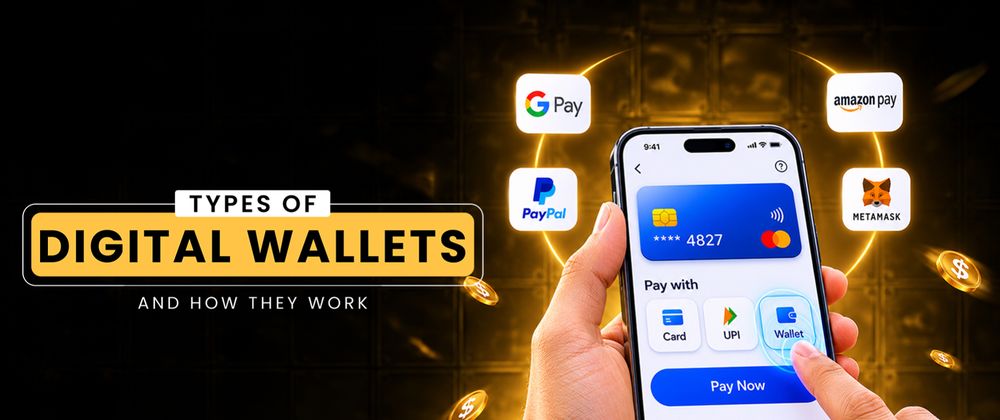

Digital payments have changed how people handle everyday transactions, allowing them to shop, transfer money, and pay bills without carrying physical cash or cards. From buying groceries to completing online purchases, digital wallets provide a convenient way to make payments through smartphones, computers, and other connected devices. They make checkout easier while using security measures such as authentication and tokenization to protect payment information.
Digital wallets function differently depending on their structure and purpose. Open wallets support payments across multiple merchants and may include additional financial services, while closed wallets let customers spend stored balances within a specific brand's ecosystem. Semi-closed wallets allow transactions across selected merchants. Cryptocurrency wallets differ from traditional payment wallets by managing cryptographic keys that enable users to access, send, and receive blockchain-based assets such as Bitcoin and Ether.
Understanding the four main types of Digital Wallets helps explain how payment systems meet different consumer and business needs. Open wallets offer wider payment flexibility, closed wallets support brand-specific purchases, and semi-closed wallets connect users with participating merchants. Cryptocurrency wallets support blockchain transactions and digital asset management. Each category comes with different features, restrictions, and security requirements.
Choosing the right digital wallet depends on payment habits, merchant acceptance, security requirements, and financial needs. People who shop across multiple retailers may prefer widely accepted payment solutions, while regular customers of specific brands can benefit from rewards and promotional credits offered through closed wallets. Semi-closed wallets suit purchases within participating merchant networks, whereas cryptocurrency wallets are useful for managing blockchain-based assets. Understanding these differences helps users select a payment solution that meets their needs for convenience, flexibility, and security.




Top comments (0)