
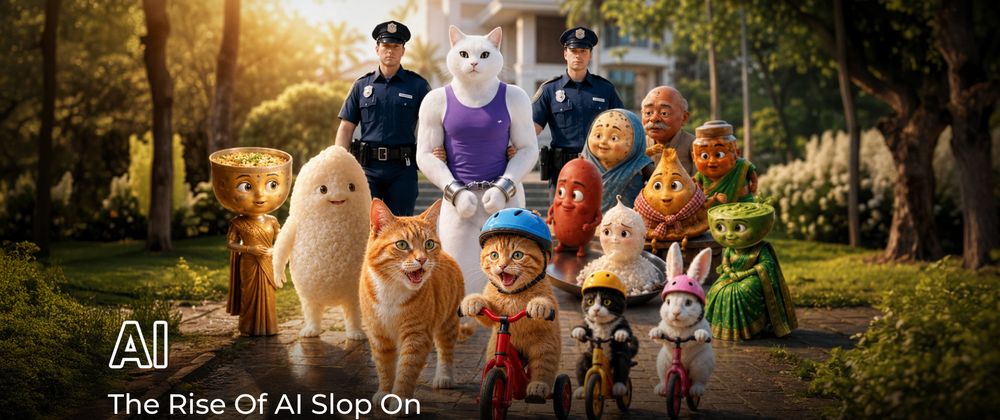

AI slop has evolved from an internet curiosity into a large-scale content phenomenon powered by generative AI and engagement-driven social media algorithms. Unlike thoughtfully created AI-assisted content, AI slop prioritizes quantity over creativity, producing endless variations of emotional, low-effort videos designed to maximize clicks, shares, and watch time. From tragic cat stories to talking fruits caught in dramatic love triangles, these synthetic narratives rely on familiar emotional triggers such as betrayal, danger, romance, and rescue to keep viewers scrolling. Their rapid production has transformed AI-generated entertainment into a repeatable business model rather than a creative experiment.
The growth of AI slop is closely tied to the accessibility of AI tools and the way recommendation systems reward attention. Modern text-to-video generators, AI voices, image creators, and editing platforms allow creators to produce content at unprecedented speed with minimal technical expertise. This has led to an explosion of repetitive, emotionally charged videos across social platforms. The trend extends beyond short-form video, with research from Pangram finding that 25.72% of long-form social posts in its dataset were entirely AI-generated, highlighting how synthetic content is increasingly shaping online conversations.
Major platforms including Meta, TikTok, Pinterest, YouTube, and LinkedIn are responding through AI labels, spam detection, reduced distribution of repetitive content, and user controls. While these measures aim to improve transparency and reduce AI-generated spam, no single moderation approach has proven sufficient. Experts increasingly advocate combining provenance metadata, watermarking, AI detection systems, behavioral analysis, disclosure requirements, and human review to better distinguish authentic content from mass-produced synthetic media.
Beyond entertainment, AI slop raises broader concerns about trust, originality, and the future of online content. As automated accounts flood platforms with emotionally manipulative videos, authentic creators face greater competition for attention, while users find it harder to distinguish genuine stories from fabricated ones. The growing volume of AI-generated media also places additional pressure on moderation systems and digital infrastructure. AI-generated content itself is not the problem; the challenge arises when speed, repetition, and engagement take precedence over creativity, authenticity, and meaningful human expression.







Top comments (0)