

Well-planned commercial tiling helps businesses minimise maintenance demands while supporting safe, attractive, and functional premises. Every decision, from material selection to ongoing cleaning, influences long-term performance and repair requirements. Durable installations reduce unnecessary disruption, improve operational efficiency, and maintain a professional appearance. Careful planning, suitable products, and consistent maintenance practices help commercial properties achieve reliable tiled surfaces that continue performing under demanding daily conditions.
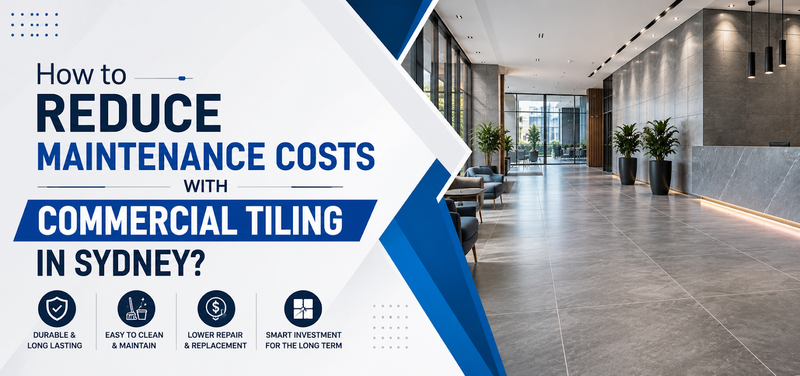
What Commercial Tiling Involves?
Commercial tiling focuses on installing durable wall and floor tile systems within business, institutional, industrial, and public buildings. Unlike residential installations, commercial projects must accommodate greater foot traffic, heavier equipment, frequent cleaning, and stricter operational requirements.
Successful commercial tiling combines technical planning, quality workmanship, and suitable materials to create surfaces that remain functional over extended periods.
Commercial tiling contractors sydney commonly relates to specialists working across office buildings, retail centres, hospitality venues, healthcare facilities, educational campuses, warehouses, and other commercial developments requiring durable tiled finishes.
Common Commercial Tiling Applications
Commercial tiling supports a wide variety of property types.
These include:
Office buildings
Shopping centres
Retail stores
Hotels
Restaurants
Commercial kitchens
Hospitals
Medical centres
Schools
Universities
Warehouses
Industrial facilities
Government buildings
Entertainment venues
Every environment presents unique maintenance challenges that influence tile selection and installation methods.
How Commercial Tiling Differs from Residential Work
Commercial installations require greater attention to long-term durability because they experience significantly higher daily use.
Key differences include:
Larger installation areas
Increased traffic volumes
Higher structural loading
More demanding cleaning routines
Greater slip resistance requirements
Enhanced durability expectations
Coordination with multiple construction trades
Consequently, every stage requires careful planning before installation begins.
Benefits of Professional Commercial Tiling
Quality commercial tiling contributes to lower maintenance requirements while supporting building performance throughout its operational life.
Selecting suitable materials and installation methods helps reduce future repairs and improves long-term reliability.
Reduced Maintenance Requirements
Properly installed commercial tiling requires less frequent repair compared with surfaces that deteriorate quickly.
Benefits include:
Lower repair frequency
Reduced grout deterioration
Improved stain resistance
Easier cleaning
Better moisture protection
Moreover, durable surfaces reduce interruptions to daily business activities.
Long-Term Durability
Commercial properties benefit from flooring that performs consistently despite heavy use.
Quality installations provide:
Excellent wear resistance
Strong impact tolerance
Reliable structural performance
Improved moisture resistance
Extended service life
Therefore, businesses spend less time managing avoidable flooring issues.
Professional Interior Appearance
Clean, well-maintained tiled surfaces contribute to an organised commercial environment.
Advantages include:
Consistent finishes
Attractive interiors
Professional presentation
Improved customer confidence
Better workplace aesthetics
Additionally, quality tiling complements modern commercial architecture.
Improved Operational Efficiency
Low-maintenance flooring allows cleaning teams to complete routine maintenance more efficiently.
Commercial properties also benefit from:
Faster cleaning schedules
Reduced downtime
Simplified maintenance planning
Easier replacement of isolated damaged tiles
Better long-term asset management
Types of Commercial Tiling Projects
Different industries require different tiling systems based on their operational needs, cleaning routines, and traffic volumes.
Selecting suitable materials for each environment helps reduce maintenance over the life of the installation.
Office Buildings
Office environments require durable flooring capable of maintaining a professional appearance.
Common tiled areas include:
Reception areas
Meeting rooms
Corridors
Kitchens
Washrooms
Staff amenities
Meanwhile, maintenance schedules remain relatively predictable compared with industrial environments.
Retail Spaces
Retail properties experience continuous customer movement throughout trading hours.
Suitable tiled surfaces should provide:
High abrasion resistance
Easy cleaning
Attractive finishes
Reliable slip resistance
Long-term durability
Furthermore, flooring should retain its appearance despite frequent maintenance.
Hospitality Venues
Hotels, cafés, restaurants, and entertainment facilities require flooring that withstands spills, moisture, and continuous pedestrian traffic.
Typical tiled areas include:
Dining areas
Hotel foyers
Commercial kitchens
Bathrooms
Public amenities
Outdoor entrances
Durable installations reduce maintenance interruptions while preserving visual appeal.
Healthcare Facilities
Healthcare buildings require hygienic tiled surfaces that support regular sanitation.
Common applications include:
Patient rooms
Treatment areas
Laboratories
Public corridors
Bathrooms
Waiting areas
Consequently, material selection focuses on hygiene, durability, and ease of cleaning.
Educational Institutions
Schools, colleges, and universities require flooring capable of handling thousands of daily users.
Important characteristics include:
Excellent wear resistance
Low maintenance
Easy cleaning
Safe walking surfaces
Long-lasting performance
These qualities help minimise ongoing maintenance demands.
Industrial Facilities
Industrial environments expose flooring to particularly demanding conditions.
Suitable tiled systems resist:
Heavy machinery
Continuous traffic
Mechanical impact
Moisture
Chemicals
Abrasion
Therefore, selecting appropriate materials significantly reduces long-term maintenance costs.
Suitable Tile Materials for Commercial Properties
Material selection remains one of the most effective ways to reduce maintenance costs throughout the lifespan of commercial flooring.
Choosing products suited to building conditions helps minimise repairs, cleaning effort, and premature replacement.
Porcelain Tiles
Porcelain offers excellent durability for demanding commercial environments.
Advantages include:
Low water absorption
High strength
Excellent scratch resistance
Minimal maintenance
Wide design options
Long service life
Consequently, porcelain remains one of the most practical commercial flooring materials.
Ceramic Tiles
Ceramic tiles perform well in areas with moderate traffic levels.
Typical applications include:
Office kitchens
Staff facilities
Internal wall surfaces
Washrooms
Decorative installations
Moreover, ceramic provides flexible design possibilities while remaining relatively easy to maintain.
Natural Stone
Natural stone creates distinctive commercial interiors while offering impressive durability when maintained correctly.
Common options include:
Granite
Slate
Marble
Travertine
Limestone
However, each material requires maintenance practices suited to its specific characteristics.
Quarry Tiles
Quarry tiles perform particularly well in demanding operational environments.
They are commonly installed within:
Commercial kitchens
Food preparation areas
Service corridors
Industrial facilities
Their textured surfaces also contribute to improved slip resistance.
Large Format Tiles
Large format tiles continue gaining popularity across commercial developments because they reduce grout lines.
Benefits include:
Easier cleaning
Fewer grout joints
Contemporary appearance
Improved visual continuity
Simplified maintenance
Nevertheless, successful installation depends on accurate substrate preparation.
Commercial Wall Tiling and Floor Tiling
Commercial wall tiling and floor tiling serve different functional purposes despite using similar materials. Consequently, installation techniques vary according to environmental demands and expected performance.
Wall tiling primarily protects surfaces from moisture while improving hygiene and presentation. Floor tiling must additionally withstand continuous traffic, impact, equipment movement, and routine cleaning.
Commercial Wall Tiling
Wall tiling commonly appears within:
Bathrooms
Commercial kitchens
Medical treatment rooms
Food preparation areas
Laboratories
Utility spaces
Proper installation helps prevent moisture damage while simplifying daily cleaning routines.
Commercial Floor Tiling
Commercial floor tiling requires careful planning to achieve lasting performance.
Important considerations include:
Traffic volume
Slip resistance
Moisture exposure
Cleaning frequency
Surface durability
Structural loading
Selecting flooring appropriate for each operational environment helps reduce maintenance requirements while extending the lifespan of the installation.
Tile Durability and Long-Term Performance
Commercial tiled surfaces should continue performing efficiently despite constant daily use. Long-term durability depends on careful planning, correct installation methods, appropriate materials, and consistent maintenance. Each component contributes to reducing repair frequency while supporting reliable building operation.
When every stage receives proper attention, tiled surfaces remain attractive and functional for many years. However, installation shortcuts often lead to avoidable maintenance issues that increase operational costs.
Key Factors That Improve Durability
Several elements contribute to reliable long-term performance.
These include:
Proper substrate preparation
Suitable tile selection
Compatible adhesives
Quality grout application
Effective waterproofing where required
Correct movement joints
Adequate curing time
Regular inspections
Furthermore, matching flooring specifications to operational demands helps reduce unnecessary wear.
Common Causes of Early Deterioration
Maintenance costs often increase because of preventable installation issues.
Common causes include:
Poor bonding
Uneven substrates
Water penetration
Incorrect adhesive selection
Heavy impact beyond design limits
Inadequate movement joints
Delayed repairs
Consequently, early planning helps prevent expensive corrective work later.
Safety and Slip-Resistant Flooring Options
Commercial flooring should protect occupants while supporting efficient business operations. Slip-resistant surfaces reduce accident risks without compromising durability or ease of maintenance.
Different industries require different levels of slip resistance depending on moisture exposure, pedestrian traffic, and cleaning procedures.
Areas Requiring Enhanced Slip Resistance
Higher-risk commercial locations often include:
Building entrances
Commercial kitchens
Bathrooms
Food preparation areas
Healthcare facilities
Outdoor pathways
Loading areas
Pool surrounds
Additionally, transitional spaces between indoor and outdoor environments require careful material selection because changing weather conditions may affect walking safety.
Characteristics of Slip-Resistant Tiles
Suitable flooring may include:
Textured finishes
Structured surfaces
Appropriate slip ratings
Durable wear layers
Consistent surface grip
Meanwhile, regular cleaning helps preserve these safety characteristics throughout the flooring's service life.
Balancing Safety with Easy Maintenance
Extremely rough surfaces may collect dirt more easily, while highly polished finishes may become slippery under wet conditions.
Therefore, selecting materials that balance traction, durability, appearance, and cleaning efficiency helps minimise long-term maintenance demands.
Industry Standards and Quality Considerations
High-quality commercial tiling depends on careful workmanship throughout every stage of the installation process. Consistent quality reduces maintenance requirements while supporting reliable long-term performance.
Attention to detail during installation helps prevent issues that often require costly repairs.
Important Quality Considerations
Successful projects generally include:
Accurate measurements
Level substrates
Straight tile alignment
Consistent grout spacing
Secure tile adhesion
Correct movement joints
Proper waterproofing
Careful finishing
Moreover, regular inspections throughout installation improve overall project consistency.
Consistency Across Large Commercial Areas
Large commercial developments require uniform finishes across extensive floor spaces.
Important objectives include:
Even surface levels
Matching grout colour
Consistent tile alignment
Uniform joint widths
Smooth transitions
Consequently, detailed planning contributes to a professional appearance while reducing future maintenance concerns.
Planning and Preparation Before Installation
Effective preparation supports durable tiled surfaces that require less maintenance throughout their lifespan. Careful planning also improves project coordination and reduces unnecessary construction delays.
Every successful commercial installation begins well before the first tile is placed.
Site Assessment
A detailed assessment identifies factors that may influence installation quality.
Important considerations include:
Existing floor condition
Structural stability
Moisture levels
Surface flatness
Building access
Environmental conditions
Service penetrations
Furthermore, identifying potential problems early allows appropriate corrective work before installation begins.
Selecting Appropriate Materials
Material selection should reflect the building's operational requirements rather than visual appearance alone.
Factors to evaluate include:
Daily traffic
Cleaning frequency
Moisture exposure
Slip resistance
Chemical exposure
Maintenance expectations
Long-term durability
Choosing suitable products from the beginning helps reduce ongoing maintenance costs.
Project Scheduling
Commercial projects often operate within demanding construction programmes.
Scheduling should allow sufficient time for:
Surface preparation
Material delivery
Tile installation
Waterproofing
Grouting
Curing
Final inspections
Therefore, realistic scheduling contributes to better workmanship and fewer installation defects.
Commercial Tiling Process
A structured installation process helps achieve consistent quality while supporting durable, low-maintenance tiled surfaces.
Although every project differs, most commercial installations follow similar stages.
Surface Preparation
Preparation creates the foundation for reliable installation.
The substrate should be:
Clean
Dry
Stable
Level
Free from contaminants
Structurally sound
Any defects should be corrected before adhesive application begins.
Layout Planning
Accurate planning determines:
Tile positioning
Joint alignment
Edge locations
Feature placement
Expansion joint positions
Additionally, careful layout reduces unnecessary material waste while improving visual consistency.
Tile Installation
The installation phase generally includes:
Adhesive application
Tile placement
Alignment verification
Levelling adjustments
Joint spacing
Surface cleaning
Maintaining consistent workmanship throughout installation supports long-term durability.
Grouting and Final Finishing
Following adhesive curing, grout strengthens tile joints while improving appearance.
Final work includes:
Cleaning
Joint finishing
Sealant application where required
Surface protection
Final quality inspection
Consequently, attention to finishing details contributes significantly to lower maintenance requirements.
Maintenance and Cleaning Practices
Regular maintenance preserves tiled surfaces while reducing repair frequency. Simple preventative measures often prevent larger maintenance issues from developing over time.
Consistent cleaning also protects surface appearance throughout the building's operational life.
Daily Cleaning Practices
Routine maintenance may include:
Sweeping
Vacuuming
Damp mopping
Immediate spill removal
Entrance mat cleaning
Dust control
Prompt cleaning reduces staining while limiting abrasive surface wear.
Scheduled Preventative Maintenance
Periodic inspections help identify developing issues before they become expensive repairs.
Recommended activities include:
Grout inspection
Joint assessment
Deep cleaning
Surface sealing where appropriate
Minor tile repairs
Drainage inspection
Moreover, preventative maintenance extends flooring lifespan while reducing operational disruption.
Maintenance Practices to Avoid
Certain cleaning methods may increase maintenance costs.
Avoid:
Abrasive cleaning tools
Harsh chemicals unsuitable for the tile
Excessive standing water
Ignoring cracked grout
Delaying tile replacement
Using inappropriate cleaning products
Small maintenance issues often become larger structural problems when neglected.
Common Mistakes That Increase Maintenance Costs
Many commercial maintenance problems originate during planning or installation rather than after project completion. Avoiding these mistakes helps preserve flooring quality while reducing long-term operational expenses.
Selecting Materials Solely for Appearance
Visual appeal should never become the only consideration.
Suitable flooring should also provide:
Long-term durability
Easy cleaning
Slip resistance
Moisture protection
Reliable structural performance
Consequently, balancing appearance with functionality creates more sustainable commercial flooring.
Ignoring Substrate Preparation
Poor preparation frequently causes:
Hollow tiles
Loose tiles
Uneven surfaces
Cracked grout
Bond failure
Investing time in proper preparation reduces future repair requirements.
Overlooking Movement Joints
Buildings naturally expand and contract because of environmental changes.
Without suitable movement joints, tiled surfaces may develop:
Cracking
Lifting
Joint failure
Surface distortion
Including correctly positioned joints supports long-term flooring stability.
Using Unsuitable Adhesives
Every tile type requires compatible adhesive systems.
Incorrect product selection may result in:
Weak bonding
Moisture damage
Premature failure
Tile movement
Selecting compatible installation materials significantly improves long-term performance.
Delaying Minor Repairs
Small defects rarely remain isolated.
Ignoring damaged grout or cracked tiles may allow:
Moisture penetration
Additional tile movement
Structural deterioration
Larger repair areas
Therefore, prompt maintenance helps control future maintenance costs.
Choosing the Right Tiling Solution for Different Industries
Every industry places different demands on tiled surfaces. Consequently, selecting suitable materials and installation methods helps reduce maintenance requirements while supporting safe and efficient operations. Matching flooring performance to the intended environment contributes to greater durability and lower lifecycle maintenance.
Office Buildings
Office environments require flooring that maintains a professional appearance despite continuous daily use.
Suitable characteristics include:
Low maintenance finishes
Durable grout systems
Easy cleaning
Attractive surface designs
Reliable wear resistance
Additionally, reception areas and corridors benefit from materials that resist scratches and staining.
Retail and Shopping Centres
Retail spaces experience constant pedestrian traffic throughout operating hours.
Important considerations include:
Abrasion resistance
Simple maintenance
Consistent appearance
Slip resistance
Long service life
Meanwhile, entrances require materials capable of performing well during changing weather conditions.
Hospitality Facilities
Hotels, cafés, restaurants, and entertainment venues require tiled surfaces that support hygiene and frequent cleaning.
Priority features include:
Moisture resistance
Durable finishes
Easy sanitation
Strong impact resistance
Attractive presentation
Furthermore, food preparation areas benefit from surfaces designed for intensive cleaning routines.
Healthcare Buildings
Healthcare environments require flooring that supports cleanliness while maintaining long-term durability.
Recommended characteristics include:
Hygienic finishes
Low water absorption
Durable grout
Smooth surface transitions
Easy maintenance
Consequently, suitable tile systems help simplify routine sanitation procedures.
Educational Institutions
Schools and universities require flooring capable of handling heavy daily occupancy.
Preferred features include:
High durability
Easy cleaning
Low maintenance
Safe walking surfaces
Long operational life
These characteristics help reduce maintenance disruptions during academic activities.
Industrial Facilities
Industrial workplaces require robust flooring that performs under demanding operating conditions.
Suitable materials should resist:
Heavy equipment
Mechanical impact
Chemical exposure
Continuous traffic
Moisture
Therefore, industrial-grade tile systems provide dependable long-term performance.
Factors Affecting Project Timelines
Commercial tiling projects vary considerably in duration. Several practical factors influence installation schedules, making careful planning essential for efficient project delivery.
Project Scope
Larger projects generally require additional time for preparation, installation, inspections, and finishing.
Project size may influence:
Material quantities
Workforce requirements
Site coordination
Cleaning
Surface protection
Site Conditions
Existing building conditions frequently affect installation progress.
Potential influences include:
Uneven substrates
Moisture problems
Structural repairs
Restricted access
Existing floor removal
Addressing these issues before installation reduces unexpected delays.
Material Availability
Timely delivery of installation materials supports efficient scheduling.
Essential materials include:
Tiles
Adhesives
Grout
Waterproofing systems
Trims
Sealants
Moreover, advance planning reduces interruptions caused by delayed deliveries.
Environmental Conditions
Temperature and humidity may influence curing times for adhesives, grout, and waterproofing systems.
Allowing recommended curing periods improves installation quality while reducing future maintenance requirements.
Cost Factors Without Mentioning Actual Prices
Commercial tiling costs depend on numerous project-specific considerations rather than one single element. Evaluating these factors carefully helps property owners make informed decisions that support long-term value.
Primary Cost Influences
Several variables affect project expenditure.
These include:
Project size
Tile selection
Surface preparation
Existing floor condition
Installation complexity
Waterproofing requirements
Access limitations
Material quality
Finishing details
Labour intensity
Long-Term Financial Value
Reducing future maintenance often delivers greater overall value than focusing solely on initial installation costs.
Quality materials and correct installation may help reduce:
Repair frequency
Tile replacement
Cleaning effort
Business disruption
Maintenance planning
Consequently, thoughtful planning supports reliable performance throughout the flooring's lifespan.
Conclusion
Reducing maintenance costs begins with careful planning, suitable material selection, quality installation, and consistent maintenance practices. Commercial tiled surfaces perform more effectively when every stage receives proper attention, from preparation through routine cleaning. Durable flooring, regular inspections, and prompt repairs help minimise operational disruption while extending service life. Well-planned commercial tiling continues supporting safety, hygiene, functionality, and professional presentation across a wide range of commercial environments.
FAQs
1. Which tile material requires the least maintenance in commercial buildings?
Porcelain tiles are widely selected because they offer excellent durability, low water absorption, and strong resistance to scratches and stains. Their dense composition simplifies routine cleaning while reducing repair requirements, making them suitable for many commercial environments with demanding operational conditions.
2. How does proper installation reduce future maintenance costs?
Correct installation creates strong tile adhesion, consistent grout joints, effective waterproofing, and appropriate movement accommodation. These factors reduce cracking, tile movement, moisture penetration, and premature deterioration, allowing the flooring system to remain reliable while lowering long-term maintenance demands.
3. Why should damaged grout be repaired quickly?
Cracked or missing grout allows moisture and debris to enter beneath the tiled surface. Early repair helps preserve tile stability, prevents water damage, reduces cleaning difficulties, and minimises the risk of larger structural repairs that increase maintenance requirements.
4. What cleaning practices help extend the life of commercial tiled floors?
Routine sweeping, vacuuming, damp mopping, immediate spill removal, and scheduled deep cleaning help protect tiled surfaces. Using cleaning products suitable for the tile material also prevents unnecessary wear while preserving appearance and long-term performance.
5. How often should commercial tiled floors be inspected?
Regular inspections should form part of planned building maintenance. Frequent assessments identify loose tiles, damaged grout, moisture issues, and surface wear before these problems develop into more extensive repairs that disrupt normal business operations.
6. Are slip-resistant tiles more difficult to maintain?
Modern slip-resistant tiles balance safety with practical maintenance. Although textured finishes may require slightly different cleaning techniques, selecting appropriate products and following regular cleaning schedules helps maintain both safety and cleanliness without excessive maintenance effort.
7. Why is waterproofing important beneath commercial floor tiles?
Waterproofing protects underlying building components from moisture penetration. Effective waterproofing helps prevent structural damage, mould growth, adhesive deterioration, and tile failure, particularly in wet areas such as kitchens, bathrooms, and healthcare facilities.
8. Can individual damaged tiles be replaced instead of the entire floor?
Individual tile replacement is often possible when surrounding tiles remain secure and matching materials are available. Prompt replacement restores surface integrity, maintains appearance, and prevents additional deterioration that could affect larger sections of the tiled area.
9. Which commercial environments place the greatest demands on tiled flooring?
Industrial facilities, commercial kitchens, healthcare buildings, retail centres, hospitality venues, and educational institutions often expose tiled surfaces to heavy traffic, moisture, equipment movement, and frequent cleaning. These demanding conditions require durable materials and high-quality installation methods.
10. What is the most effective way to minimise commercial tiling maintenance over the long term?
The most effective approach combines careful planning, suitable tile selection, quality installation, preventative maintenance, routine inspections, prompt repairs, and appropriate cleaning practices. Together, these measures help extend service life, reduce operational disruption, and maintain reliable flooring performance for many years.







Top comments (0)