
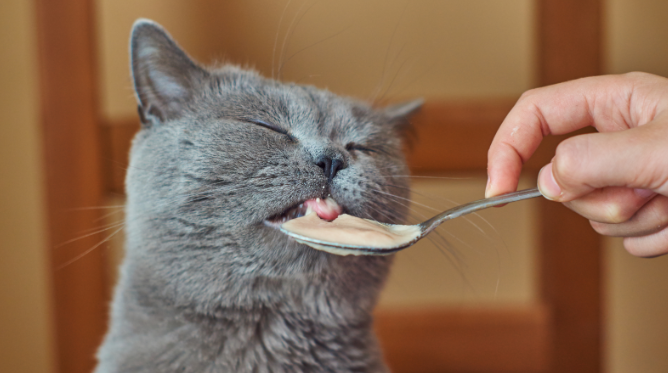

What to Feed a Picky Eating Cat: Simple Tips to Boost Their Appetite
Every cat owner knows the frustrating feeling of placing a bowl of premium food in front of their feline companion, only to watch them sniff it suspiciously, give a cold look of disapproval, and walk away. While dogs are notorious for eating almost anything put in front of them, cats have earned a well-deserved reputation for being fastidious, selective, and sometimes infuriatingly picky eaters.
Because cats are obligate carnivores with highly attuned senses, their dietary preferences are influenced by far more than basic flavor. Factors such as aroma, texture, temperature, shape, and even the emotional environment during mealtime play crucial roles in determining whether a cat accepts or rejects their meal.
If your cat is turning their nose up at dinner, there is no need to panic. In most cases, simple adjustments to your feeding routine, meal presentation, and food selection can reactivate your cat's natural appetite. Here is a comprehensive guide on what to feed a picky cat and how to rekindle their enthusiasm at mealtime.
1. Differentiate Between Behavioral Pickiness and Medical Loss of Appetite
Before changing your cat's menu or feeding habits, it is essential to determine whether you are dealing with a fussy personality or a potential health issue.
Behavioral Pickiness: If your cat eats small amounts, prefers specific textures, demands variety, or only eats when coaxed, their behavior is likely preference-driven.
Sudden Loss of Appetite (Anorexia): If a previously regular eater suddenly refuses all food for more than 24 hours, this can indicate an underlying medical issue such as dental disease, kidney trouble, or gastrointestinal discomfort.
Note: Cats that go without food for extended periods are at risk for a dangerous condition called hepatic lipidosis (fatty liver disease). If your cat stops eating completely, seek prompt veterinary advice.
2. Enhance Olfactory Appeal by Warming the Food
A cat’s sense of smell is roughly fourteen times stronger than that of a human. In the wild, felines hunt live prey, which means their natural instinct is to consume food served warm.
Cold food straight out of the refrigerator has very little scent and can instantly turn off a selective feline.
Microwave Wet Food: Heat canned cat food or food pouches in the microwave for 5 to 8 seconds until it reaches approximate body temperature (around 38°C / 100°F). Always stir thoroughly to ensure there are no hot spots that could burn your cat's mouth.
Add Warm Water or Broth: If your cat eats dry kibble, drizzle a small splash of warm water over the bowl. The heat softens the hard texture and releases aromatic fatty acids that stimulate their olfactory receptors.
3. Leverage Appetite Boosters and Palatability Toppers
Sometimes standard kibble or wet food needs an alluring enhancement. Food toppers provide an effective way to entice finicky eaters without overhauling their complete and balanced core diet.
Highly effective toppers include:
Unsalted Bone Broth: A drizzle of plain chicken or beef bone broth (made strictly without onions, garlic, or excess sodium) adds moisture, rich aroma, and natural collagen.
Crushed Freeze-Dried Treats: Crushing a single piece of freeze-dried salmon, liver, or chicken breast over the main meal acts as a fragrant garnish that encourages that first initial bite.
Pure Salmon Oil: A couple of drops of salmon oil not only intensifies the savory taste of the food but also supplies essential Omega-3 fatty acids for skin health and a glossy coat.
When looking for wholesome nutrition, high-palatability wet foods, and flavor toppers for selective eaters, sourcing from dedicated pet nutrition retailers is key. Specialized pet care platforms such as Pookie Petz provide access to balanced formulas, quality toppers, and species-appropriate recipes designed to satisfy even the most demanding feline palates.
4. Eliminate Whisker Fatigue with Shallow Dishes
The dish you choose for mealtime can significantly impact your cat's willingness to eat. Cats have extraordinarily sensitive whiskers packed with nerve endings called proprioceptors.
When fed out of narrow, deep bowls, their whiskers continuously scrape against the sides of the dish. This constant sensory input causes a condition known as whisker fatigue, leading to stress and meal avoidance.
To resolve whisker fatigue:
Replace deep bowls with wide, shallow ceramic, glass, or stainless steel plates and saucers.
Avoid plastic bowls, as plastic absorbs bacteria and retains residual odors that can repel sensitive cats even after washing.
5. Transition from Free-Feeding to Scheduled Meals
Leaving a bowl of dry kibble out all day long—known as free-feeding—is one of the leading causes of picky eating habits. When food is constantly accessible, mealtime loses its novelty, and cats graze aimlessly rather than feeling genuine hunger.
Switching to a structured feeding schedule creates healthy anticipation:
Serve food 2 to 3 times per day at consistent, predictable times.
Put the dish down and leave it accessible for 20 to 25 minutes.
If your cat does not finish, pick up the remaining food and store it away until the next scheduled time.
Within a few days, your cat will learn that mealtime is an event to be seized, significantly boosting their eagerness to eat.
6. Rotate Textures and Protein Sources Gradually
Just like humans, cats can become bored with eating the exact same flavor day in and day out. Additionally, felines often express strong preferences for specific textures:
Pâté: Smooth, finely blended meals suited for cats that dislike chunks.
Shreds & Gravy: Ideal for cats that love licking tasty broths and chewing tender meat strips.
Loaf in Jelly: Provides a moist, jellied texture that holds moisture well.
Try rotating protein sources between chicken, turkey, rabbit, salmon, and ocean fish to keep mealtimes exciting. However, when introducing entirely new food brands, do so gradually over 7 to 10 days by mixing small amounts of the new food into the old to avoid stomach upset.
7. Create a Safe and Quiet Dining Space
Cats are instinctually alert predators who also worry about being preyed upon while vulnerable during eating. If their bowl is situated in a high-traffic hallway, near loud laundry appliances, or right next to a dog's bed, they may feel too anxious to settle down and eat.
Separate Food and Litter: Place food and water bowls far away from the litter box area.
Separate Food and Water: Many cats prefer their water dish to be located a few feet away from their food bowl, as wild instincts warn them that food near water sources might contaminate the water.
Quiet Zones: Set up feeding stations in calm, low-traffic areas of your home where your cat feels safe and relaxed.
Conclusion
Overcoming picky eating in cats requires patience, observation, and methodical experimentation. By warming meals to release enticing smells, offering nutritious toppers, using whisker-friendly shallow dishes, and keeping mealtimes structured in a calm environment, you can transform mealtime from a stressful struggle into a rewarding routine.
Always monitor your cat’s weight and overall condition, and consult a veterinarian if appetite issues persist despite your best efforts.







Top comments (0)