
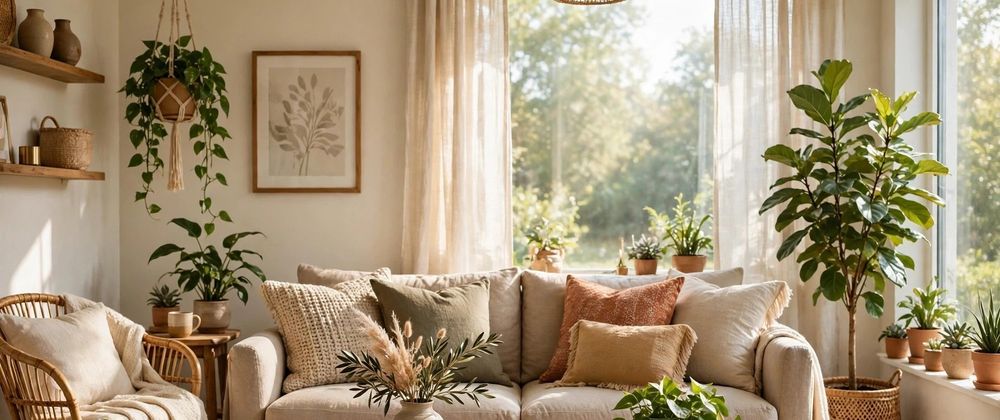

Real Decor Lovers is built on one simple belief: a beautiful home does not need a big budget, only a clear plan and a few good decisions. Whether you are decorating your first flat or refreshing a room you have lived in for years, the same three steps apply. Plan first, shop with purpose, and style with confidence. This guide walks you through each step, with practical ideas you can start using today.
Start With a Plan, Not a Shopping Cart
Most decorating mistakes happen before a single item is bought. People fall in love with a sofa in a showroom, bring it home, and only then realise it blocks the doorway or clashes with the rug. A short planning session prevents all of that. Measure your room first, note the windows and doors, and sketch where the main pieces will go. You do not need fancy software. A pencil, a tape measure and a rough drawing are enough.
Next, decide what the room is for. A living room that hosts family movie nights needs different furniture than one used mainly for reading and quiet evenings. When the purpose is clear, every later choice becomes easier. Pick one feeling you want the room to give you, such as calm, cosy or energising, and let that feeling guide your colours and materials.
Finally, set a budget before you shop. Divide it into three parts: big pieces, soft furnishings and small details. This stops you from spending everything on one statement item and having nothing left for the curtains and cushions that make a room feel finished.
How Real Decor Lovers Approaches Room Planning
The planning method behind Real Decor Lovers starts with the room you already have, not the room in a magazine. Look at what works today. Which corner gets the best light? Where does everyone naturally sit? Which wall feels empty? These observations cost nothing and tell you more than any trend report.
From there, choose a single focal point for each room. It might be a fireplace, a large window, a piece of art or even a well-dressed bookshelf. Arrange the main furniture to face or frame that point, and the room feels settled before you add any decoration.
Think in layers as you plan. Start with the floor, then the walls, then the large furniture, then lighting, and finish with textiles and accessories. Planning in this order keeps you from buying a lamp before you know where the sofa goes.
Shop Smart: Buy Less, Choose Better
Good shopping is mostly good editing. Before buying anything, check what you already own. A chair from another room, a mirror from the hallway or a lamp in storage might be exactly what the space needs.
When you do buy, invest in the pieces you touch every day: the sofa, the mattress and the dining chairs. These are worth spending more on because comfort shows.
Take your measurements and a fabric swatch with you when you shop. Colours look different under shop lights, and a sofa that fits the showroom may not fit your stairs. Sleep on any purchase over your budget; if you still want it in the morning, it is probably the right choice.
Small Green Sunroom Ideas for a Calm Corner
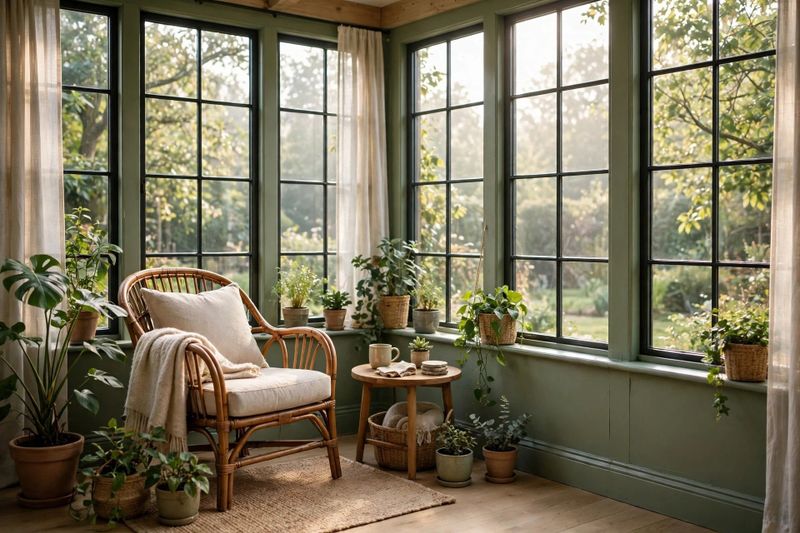
A sunroom is one of the easiest places to practise good decorating, because light does most of the work for you. Soft green walls, natural rattan and a few healthy plants turn even a tiny glass room into a calm retreat. The trick is to keep the furniture light and the palette restful, so the garden view stays the star.
Start with one comfortable seat and a small side table. A rattan armchair with a washable cushion works well, and it survives sun and humidity better than heavy fabric. Add a plant at two heights, one on the floor and one on a stand, to give the corner depth.
If you want more inspiration for this kind of space, these small green sunroom ideas for your home show how colour, plants and simple furniture create a room that feels fresh all year. The same principles work anywhere: pick a calm colour, let the light in, and leave enough empty space for the room to breathe.
Colour and Light: The Styling Basics
Colour is the fastest way to change how a room feels. Warm neutrals make a space feel cosy, cool greens and blues make it feel calm, and a single bold accent can wake up an otherwise quiet room. The safest approach is a simple ratio: about sixty percent of the room in a main colour, thirty percent in a second colour, and ten percent in an accent.
Light matters just as much as colour. Every room needs three kinds of light: general light from the ceiling, task light for reading or working, and soft accent light for evenings. Add a table lamp or floor lamp and the same room feels warm and layered.
Test paint colours on the wall before you commit. Paint a large patch, look at it in morning and evening light, and live with it for two days.
Real Decor Lovers Styling Tips for Small Spaces
Small rooms reward clever thinking. Choose furniture with visible legs, because you can see the floor underneath and the room feels larger. Use mirrors opposite windows to bounce light around, and keep the biggest surfaces, like walls and large furniture, in light colours.
Storage is styling in a small home. A beautiful basket, a lidded box or a slim shelf keeps clutter out of sight, and a tidy room always looks more decorated than a messy one.
Finally, edit ruthlessly. In a small room, every object is on display, so each one should earn its place. A small space with five well-chosen objects beats a small space crowded with twenty.
What Home Decor Really Means for Everyday Living
People often think decorating is about buying beautiful things, but it is really about making daily life easier and more pleasant. A well-placed reading lamp, a hallway hook at the right height and a kitchen shelf you can actually reach are all home decor.
If you have ever wondered what is home decor beyond the pictures in magazines, the answer is simple: it is the way your home supports your life. The colours you wake up to, the chair you sit in after work, the light in your kitchen in the morning, all of these are decor. Good decor is not about impressing visitors. It is about building a home that works for the people who live in it.
Start small if the idea feels overwhelming. Change one corner, not the whole house. A new cushion, a plant, or a rearranged shelf can shift the feeling of a room in an afternoon.
Keep Your Home Fresh Without Starting Over
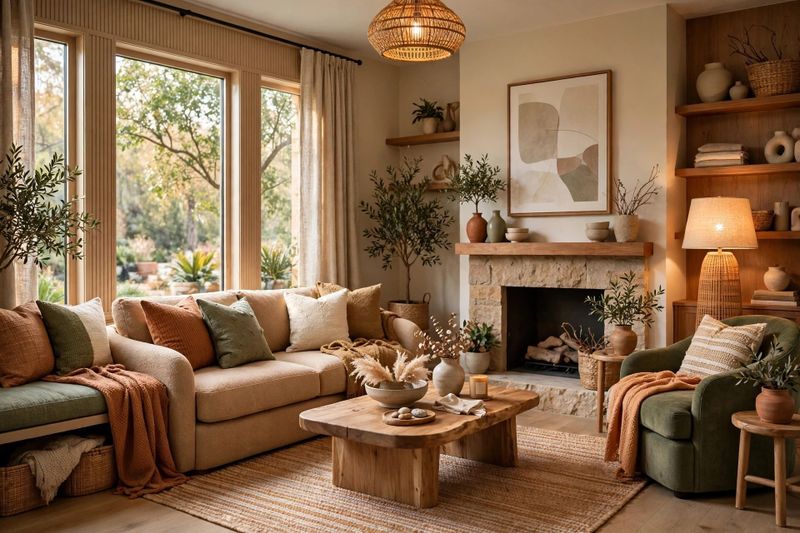
A home never needs to be finished all at once. In fact, the best homes grow slowly, with pieces added over time as your life changes. A seasonal refresh keeps things feeling new without a full redecoration. Swap cushion covers or move art to a different wall; small changes cost little and make the room feel different.
Rotate your accessories every few months. The vase from the bedroom looks new on the living room shelf, and the throw from the sofa finds a second life on the bed.
Most of all, trust your own taste. Trends come and go, but you live in your home every day. Plan carefully, shop wisely and style with confidence, and your home will look after itself.





Top comments (0)