

In today’s fast-evolving world, home interiors are no longer just about aesthetics—they reflect lifestyle, personality, and functionality. A well-planned home interior goes beyond decorative appeal and integrates comfort, practicality, and modern design sensibilities. With changing lifestyle trends influenced by technology, sustainability, and minimalism, homeowners now expect their living spaces to be both visually striking and purpose-driven. Understanding what truly makes a home interior stand out requires a thoughtful blend of design principles, innovative ideas, and attention to detail.
The Importance of Functional Design
A standout interior begins with functionality at its core. Modern homeowners prioritize spaces that serve multiple purposes without compromising comfort. For instance, open-plan layouts that combine living, dining, and kitchen areas create a seamless flow while maximizing usable space. Furniture choices also play a vital role—modular sofas, foldable tables, and storage-integrated beds help optimize smaller areas efficiently.
Functionality also means designing interiors that align with daily routines. A well-planned kitchen with ergonomic layouts, a home office that enhances productivity, and a living room designed for relaxation all contribute to a balanced and efficient home environment. When functionality meets design, the result is a space that feels intuitive and effortless to live in.
Embracing Minimalism and Clutter-Free Living
Modern lifestyle trends strongly emphasize minimalism. A clean, clutter-free interior not only enhances visual appeal but also promotes mental clarity and well-being. Minimalism does not mean empty spaces; rather, it emphasizes intentional design in which every element serves a purpose.
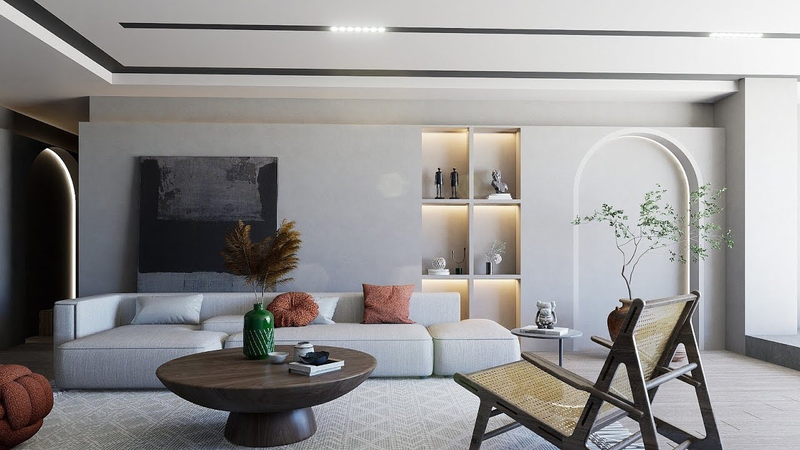
Neutral color palettes, sleek furniture, and well-organized storage solutions help maintain simplicity while still allowing the space to feel warm and inviting. Built-in wardrobes, hidden storage compartments, and wall-mounted units are popular choices that keep spaces tidy without sacrificing style. A minimalist approach ensures that the home remains timeless and adaptable to future trends.
NOTE:- Residential Interior Design Dubai had delivered stunning interiors that balanced beauty and functionality effortlessly. Designs had incorporated modern trends while maintaining timeless appeal. Clients had enjoyed personalized solutions tailored to their needs. Bring your vision to life with expert guidance—get in touch with REVA The House of Stories for a remarkable transformation.
The Role of Natural Light and Ventilation
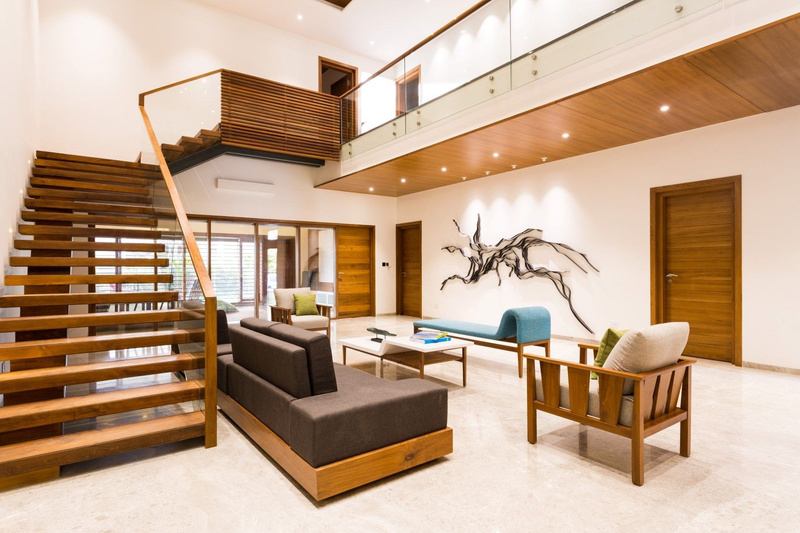
One of the most defining features of a well-planned interior is the effective use of natural light. Large windows, glass partitions, and open layouts let sunlight flow freely throughout the home, creating a bright, welcoming atmosphere. Natural light not only enhances aesthetics but also reduces the need for artificial lighting during the day, contributing to energy efficiency.
Proper ventilation is equally important. Cross-ventilation ensures fresh air circulation, improving indoor air quality and overall comfort. Homes designed with this in mind feel healthier and more connected to the outdoors, which is a key aspect of modern living.
Smart Integration of Technology
Technology has become an integral part of contemporary home interiors. Smart homes are no longer a luxury but a growing necessity. Features such as automated lighting, climate control systems, voice-activated assistants, and smart security solutions enhance convenience and efficiency.
A well-planned interior seamlessly incorporates these technologies without disrupting the overall design. Concealed wiring, integrated control panels, and aesthetically designed devices ensure that technology complements the space rather than overwhelming it. This balance between innovation and design is essential to creating a modern, sophisticated home.
Personalization and Unique Design Elements
What truly sets a home apart is its ability to reflect the personality of its occupants. Personalization adds character and uniqueness to interiors. Whether it’s a statement wall, curated artwork, or custom furniture pieces, these elements create a sense of identity within the space.
Mixing textures, patterns, and materials can also elevate the design. For example, combining wood with metal accents or pairing soft fabrics with sleek finishes creates visual contrast and depth. Personalized interiors feel more engaging and meaningful, making the home a true extension of individual taste and lifestyle.
Sustainable and Eco-Friendly Choices
Sustainability is a major trend shaping modern interiors. Homeowners are increasingly opting for eco-friendly materials and energy-efficient solutions. From using reclaimed wood and natural stones to incorporating energy-saving lighting and appliances, sustainable design choices not only benefit the environment but also add long-term value to the home.
Indoor plants are another popular element that enhances both aesthetics and air quality. Green spaces within the home create a refreshing ambiance and promote a sense of calm. Sustainable interiors demonstrate a forward-thinking approach that aligns with global environmental concerns.
Color Psychology and Mood Enhancement
Color plays a significant role in shaping a home's ambiance. A well-planned interior carefully considers color psychology to create the desired mood in each space. Soft, neutral tones often evoke calmness and sophistication, while bold colors can add energy and vibrancy when used strategically.
For instance, bedrooms benefit from soothing shades that promote relaxation, while living areas may incorporate warmer tones to encourage social interaction. Accent walls, decorative pieces, and textiles can introduce color without overwhelming the space. Thoughtful use of color enhances both aesthetics and emotional well-being.
The Impact of Quality Materials and Finishes
The choice of materials and finishes significantly influences the overall appeal of an interior. High-quality materials not only look better but also offer durability and longevity. From flooring and wall treatments to furniture and fixtures, every element contributes to the final outcome.
Modern interiors often feature a mix of materials, such as wood, glass, metal, and stone, to create a balanced, sophisticated look. Finishes—whether matte, glossy, or textured—add depth and dimension to the design. Investing in quality ensures that the interior maintains its elegance over time.
Creating Seamless Indoor-Outdoor Connections
Blurring the boundaries between indoor and outdoor spaces is a hallmark of modern design. Balconies, patios, and gardens are now considered extensions of the interior. Sliding glass doors, large windows, and cohesive design elements help create a seamless transition between these spaces.
Outdoor seating areas, greenery, and natural materials enhance this connection, making the home feel more expansive and harmonious. This approach not only improves aesthetics but also encourages a healthier lifestyle by bringing nature closer to everyday living.
Lighting as a Design Feature
Lighting is more than just a functional element—it is a powerful design tool. Layered lighting, which combines ambient, task, and accent lighting, adds depth and versatility to interiors. Statement lighting fixtures such as chandeliers, pendant lights, and wall sconces can act as focal points that enhance the overall design.
Proper lighting also highlights architectural features and decorative elements, creating a dynamic and visually appealing environment. Adjustable lighting systems allow homeowners to adapt the ambiance according to different moods and occasions, making the space more flexible and engaging.
Space Optimization and Smart Storage Solutions
Efficient use of space is crucial, especially in urban homes where space is often limited. Smart storage solutions help maintain organization without compromising aesthetics. Built-in cabinets, multi-functional furniture, and vertical storage options maximize available space while keeping the design clean and uncluttered.
Custom storage solutions tailored to specific needs ensure that every inch of the home is utilized effectively. This level of planning enhances both functionality and visual appeal, making the interior more practical and enjoyable.
Balancing Trends with Timeless Design
While it is important to incorporate current trends, a well-planned interior also maintains a sense of timelessness. Overly trendy designs may quickly become outdated, whereas classic elements tend to be timeless. The key is to strike a balance—using trends as accents rather than the foundation of the design.
Neutral bases paired with trendy accessories make easy updates possible without major renovations. This approach ensures that the home remains stylish and relevant over time, adapting effortlessly to evolving preferences.
Comfort as a Priority
Ultimately, a standout home interior must prioritize comfort. No matter how visually appealing a space is, it should also feel inviting and livable. Comfortable furniture, appropriate layouts, and a warm ambiance create a sense of belonging.
Textures such as soft fabrics, cozy rugs, and layered furnishings add to the comfort factor. A well-designed home should cater to both physical and emotional comfort, making it a space where people can relax, unwind, and feel at ease.
Conclusion
A well-planned home interior stands out in today’s modern lifestyle trends by seamlessly blending functionality, aesthetics, and innovation. It reflects the needs and personality of its occupants while embracing contemporary design principles such as minimalism, sustainability, and smart technology. From effective space utilization and thoughtful color choices to quality materials and personalized touches, every element plays a vital role in shaping the overall experience.
In essence, a truly remarkable home interior is not just about how it looks, but how it works and feels. By focusing on purposeful design and staying attuned to evolving trends, homeowners can create spaces that are not only beautiful but also practical, comfortable, and timeless.






Top comments (0)