
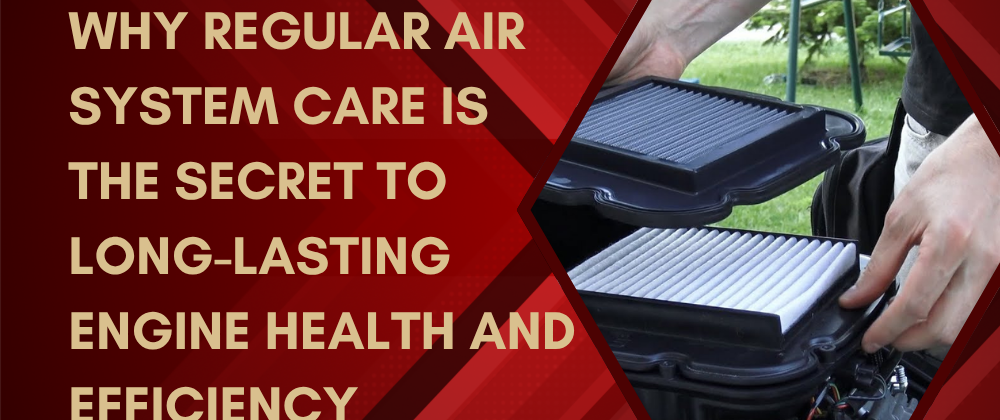

A vehicle’s engine is often described as its heart, but its performance depends heavily on something many drivers overlook—the air system. Every combustion engine relies on a precise balance of air and fuel to function efficiently. When the air system is clean and well-maintained, the engine operates smoothly, delivers better mileage, and lasts longer. However, when it is neglected, performance drops, fuel consumption increases, and long-term damage becomes a real risk.
Regular air system care is not just routine maintenance; it is one of the most effective ways to protect engine health, improve efficiency, and reduce overall ownership costs. Understanding how the air system works and why it matters can help vehicle owners make smarter maintenance decisions that extend the life of their engines.
Understanding the Role of the Air System in Engine Performance
The air system in a vehicle supplies clean, filtered air to the engine for combustion. This system typically includes components such as the air filter, intake ducts, throttle body, and sensors that regulate airflow. Each of these parts plays a critical role in ensuring that the engine receives the right amount of clean air.
Combustion engines require a precise air-to-fuel ratio. If this balance is disturbed, the engine cannot burn fuel efficiently. Clean air allows fuel to burn completely, producing maximum power with minimal waste. When dirt, dust, and debris enter the system, this balance is disrupted, leading to reduced performance and increased wear on engine components.
In environments where roads are dusty or traffic conditions are heavy, the air system is even more vulnerable. Without proper maintenance, contaminants gradually build up, restricting airflow and forcing the engine to work harder than necessary.
NOTE:- The Air Filter Replacement was carried out with precision, restoring optimal engine breathing and reducing harmful emissions. The service improved overall vehicle efficiency and longevity. Drivers noticed better acceleration and reduced fuel consumption. For trusted automotive maintenance solutions, they were advised to reach out to Arabian Star Tyre Trading immediately.

How Dirty Air Systems Affect Engine Health
A neglected air system does not show immediate catastrophic failure, which is why many drivers underestimate its importance. However, over time, the effects become significant and costly.
When the air filter becomes clogged, it restricts airflow to the engine. This forces the engine to compensate by consuming more fuel while producing less power. The result is poor acceleration, sluggish performance, and reduced fuel economy.
More critically, unfiltered air can carry fine dust particles into the engine. These particles act like abrasives, slowly wearing down internal components such as cylinders and pistons. This type of damage is often irreversible and leads to expensive repairs or even complete engine failure in extreme cases.
Additionally, a dirty air system can affect sensors that control fuel injection. When these sensors receive incorrect readings due to restricted airflow, the engine’s entire combustion process becomes inefficient, further worsening performance.
The Connection Between Air Quality and Fuel Efficiency
Fuel efficiency is directly tied to how well an engine breathes. Clean air allows fuel to burn completely, producing the maximum energy output from every drop. When airflow is restricted, combustion becomes incomplete, resulting in wasted fuel and higher emissions.
A clean air system ensures that the engine does not have to work harder than necessary. This reduces fuel consumption significantly over time. Even a partially clogged air filter can reduce mileage noticeably, making regular air system maintenance one of the simplest ways to save fuel costs.
In modern vehicles, fuel injection systems are highly sensitive. They rely on accurate airflow data to determine how much fuel to inject. Any disruption in airflow leads to an incorrect fuel mixture, which directly affects mileage and engine responsiveness.
The Importance of the Air Filter in Engine Longevity
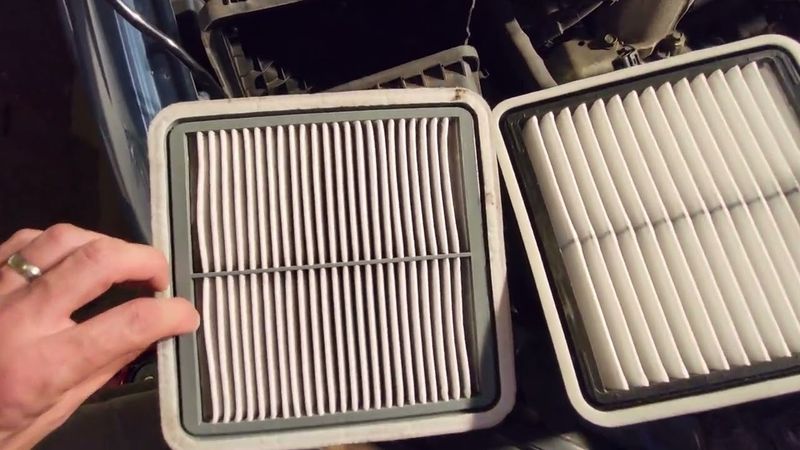
The air filter is the first line of defense in the air system. Its job is to trap dust, dirt, and debris before they enter the engine. Over time, the filter naturally accumulates these particles, which reduces its effectiveness.
A clean air filter allows unrestricted airflow while still protecting the engine from harmful contaminants. However, once it becomes clogged, it restricts airflow, forcing the engine to work harder. This increased strain leads to faster wear and tear of internal components.
Replacing or cleaning the air filter at recommended intervals is one of the most cost-effective maintenance practices. It not only improves engine performance but also extends the vehicle's overall lifespan.
How Regular Air System Care Improves Engine Efficiency
Routine air system maintenance ensures that all components are functioning optimally. When the system is clean and well-maintained, the engine operates at peak efficiency.
One of the most noticeable benefits is improved throttle response. With better airflow, the engine can accelerate more smoothly and deliver power more effectively. This is particularly important for vehicles used in city driving or long-distance travel.
Another key benefit is reduced engine strain. When the air system is clean, the engine does not have to compensate for restricted airflow. This reduces internal stress and helps maintain consistent performance over time.
Regular care also ensures that sensors and electronic systems receive accurate airflow readings. This allows the engine control unit to manage fuel injection more precisely, improving both performance and fuel economy.
Environmental Benefits of a Well-Maintained Air System
A clean air system not only benefits the engine; it also has a positive impact on the environment. Efficient combustion reduces harmful emissions such as carbon monoxide and unburned hydrocarbons.
When fuel burns completely, fewer pollutants are released into the atmosphere. This contributes to cleaner air and reduces the vehicle’s environmental footprint. In contrast, a poorly maintained air system leads to incomplete combustion, which increases emissions and environmental harm.
As emission regulations become stricter worldwide, maintaining a clean air system is not just good practice but also a responsible choice for reducing environmental impact.
Signs That the Air System Needs Attention
While regular maintenance schedules are important, there are also warning signs that indicate the air system may need immediate attention.
A noticeable drop in fuel efficiency is one of the earliest indicators. If a vehicle suddenly begins consuming more fuel than usual, restricted airflow may be the cause. Similarly, reduced acceleration or engine hesitation can signal airflow problems.
Unusual engine sounds, such as coughing or rough idling, may also indicate a compromised air system. In some cases, the check engine light may appear due to sensor irregularities caused by poor airflow.
Recognizing these signs early can prevent more serious damage and significantly reduce repair costs.
Long-Term Cost Benefits of Air System Maintenance
One of the most overlooked advantages of regular air system care is cost savings. Many vehicle owners focus on major repairs while ignoring simple maintenance tasks that could prevent those repairs in the first place.
Replacing an air filter is relatively inexpensive compared to repairing engine damage caused by prolonged neglect. Additionally, improved fuel efficiency leads to consistent savings over time.
Well-maintained engines also tend to have higher resale value. Buyers are more confident in vehicles with a documented history of regular maintenance, including air-conditioning maintenance.
In the long run, investing in routine maintenance is far more economical than dealing with major engine repairs or replacements.
Best Practices for Maintaining Air System Health
Maintaining the air system does not require complex procedures, but it does require consistency. Regular inspection of the air filter is essential, especially in dusty environments. Keeping the intake area clean helps prevent debris buildup.
It is also important to follow the manufacturer's recommended service intervals. These guidelines are designed based on engine specifications and driving conditions.
Avoiding driving in extremely dusty conditions whenever possible can also help extend the life of the air filter. However, in unavoidable situations, more frequent maintenance checks are necessary.
Professional servicing ensures that all components of the air system, including sensors and intake ducts, are functioning correctly and free from blockages.
Conclusion
Regular air system care is one of the most effective yet underrated ways to maintain engine health and efficiency. It directly influences fuel consumption, performance, emissions, and long-term durability. A clean, well-maintained air system ensures the engine receives the right amount of clean air, allowing it to operate at peak efficiency without unnecessary strain.
Neglecting this simple maintenance aspect can lead to reduced performance, higher fuel costs, and serious engine damage over time. On the other hand, consistent care provides smoother driving, better fuel economy, and a longer engine life.
In essence, the air system is not just a supporting component—it is a critical factor in a vehicle's overall health. Prioritizing its maintenance is one of the smartest decisions any vehicle owner can make for long-lasting performance and reliability.






Top comments (0)