
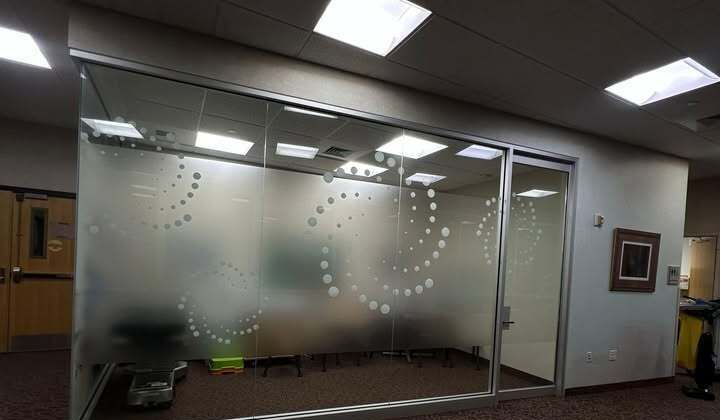

Glass is often treated as a fixed feature of a room, something you either have or you don't, and something you rarely think to update. But decorative window film changes that mindset entirely. It turns plain glass into a design element you can customize, refresh, and reimagine without the cost or permanence of replacing windows or installing custom glasswork. From homes to offices to retail storefronts, this simple material is quietly becoming one of the most versatile tools in interior design.
What Makes Decorative Window Film So Popular
The appeal of decorative window film comes down to flexibility. It can mimic the look of etched or frosted glass, add subtle patterns, or introduce bold color and texture, all while being removable and far less expensive than traditional glass treatments. Unlike permanent alterations, film can be swapped out as trends change or as a space is repurposed, making it a practical choice for renters, business owners, and homeowners alike.
It also solves a common design dilemma: how to bring in natural light while still creating privacy or visual interest. A frosted or patterned film softens harsh sightlines without making a room feel closed off, striking a balance that curtains and blinds often cannot achieve as elegantly.
Popular Styles to Consider
Decorative film has no single look, which is part of its charm. You can go in many directions and choose what best suits your space.
- Frosted or etched patterns: Mimic sandblasted glass, ideal for bathrooms, home offices, or conference rooms.
- Geometric or linear designs: Add a modern, architectural feel to entryways and partitions.
- Stained glass replicas: Bring warmth and color to entry doors or transom windows without the fragility or cost of real stained glass.
- Custom branded film: Perfect for businesses that want to reinforce their logo or color scheme directly on storefront or office glass.
- Textured or frosted borders: Frame a window while leaving the center clear, balancing privacy with an open view.
Each style serves a slightly different purpose, so the right choice often depends on how much privacy is needed and how much natural light you want to preserve.
Add Privacy Without Blocking Natural Light
While style is the main draw, decorative film often comes with practical benefits too. Many products offer a degree of UV protection, which helps prevent furniture, flooring, and artwork from fading over time. This overlaps closely with the benefits of window tint, which is typically chosen to reduce heat and glare while improving energy efficiency.
In fact, many homeowners and business owners now combine decorative film with functional window tint to get the best of both worlds: a space that looks intentional and polished while also staying cooler and more comfortable throughout the day. This pairing is especially popular in spaces with large glass frontages, where sunlight exposure can otherwise become a real issue for both comfort and energy costs.
Where Decorative Film Works Best
Decorative film is not limited to any one type of space. In homes, it works beautifully on bathroom windows, front doors, and interior partitions. In offices, it helps define meeting rooms and private work areas while maintaining an open, airy feel. Retail businesses often use it on storefront windows to combine branding with privacy for back-of-store activities, while keeping the space inviting to passersby.
Make Office Spaces More Interesting
Glass partitions are common in modern workplaces because they create an open feel while separating different areas. However, too much clear glass can reduce privacy and make a space feel visually plain.
Decorative window film can help solve both problems. You can apply frosted logos, branded patterns, or simple graphics to conference room walls, office doors, reception areas, and glass dividers. A company logo or custom design can also reinforce brand identity without making the space feel overly commercial.
For conference rooms and private offices, strategically placed film can provide eye-level privacy while leaving the upper portion of the glass clear.
Refresh Retail and Commercial Spaces
Businesses can use decorative film to make storefronts and interiors more inviting. Patterned film can complement a brand's colours and overall design, while custom graphics can highlight promotions, seasonal displays, or important information.
It can also be used inside restaurants, salons, hotels, clinics, and other customer-facing spaces. Decorative glass designs can make interiors feel more polished while providing practical privacy where needed.
Because film can be updated more easily than permanent glass treatments, it's a flexible option for businesses that regularly refresh their interiors.
Choose the Right Film for Your Space
Before installing decorative window film, consider the glass's purpose, the level of privacy you need, and the look you want to achieve. Think about whether you want complete coverage or a partial design. You should also consider the film's durability, maintenance requirements, and compatibility with the glass surface.
Final Thoughts
Decorative window film offers a rare combination of style, function, and affordability that few other design choices can match. Whether you are softening the look of a bathroom window or creating privacy in an office, this simple upgrade can transform ordinary glass into something that genuinely reflects your space's personality.







Top comments (0)