
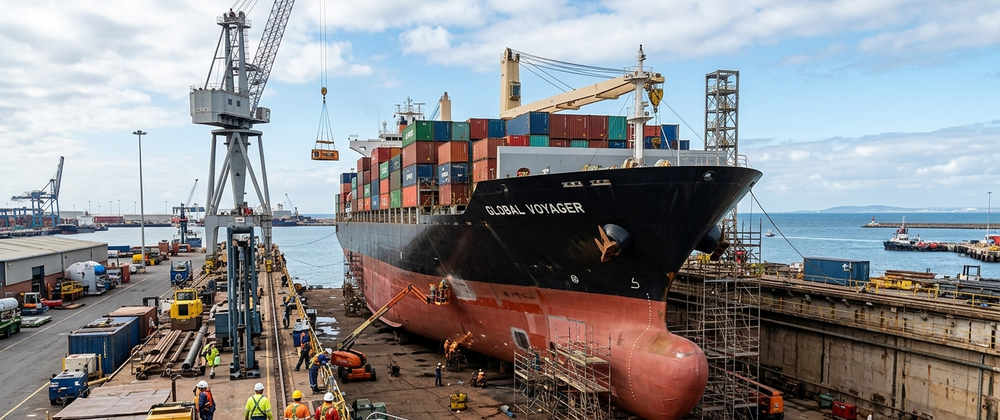

Ship maintenance planning is one of the most important factors influencing the overall performance, safety, and efficiency of a maritime fleet. In the global shipping industry, where vessels operate under harsh environmental conditions and tight schedules, even minor equipment failures can lead to significant delays and financial losses. Proper maintenance planning ensures that ships remain operational, compliant, and efficient throughout their lifecycle. In this regard, RMS Marine Service plays a vital role by providing technical expertise and structured maintenance solutions that help shipping companies improve fleet reliability and operational performance.
The effectiveness of maintenance planning also depends on the quality and reliability of onboard equipment. High-performance components such as marine certified valves are essential for ensuring stable operation of critical ship systems, including fuel management, ballast control, and cooling operations. When combined with well-organized maintenance strategies, these components significantly enhance fleet performance and reduce the risk of unexpected breakdowns.
Understanding Ship Maintenance Planning
Ship maintenance planning refers to the systematic scheduling and organization of maintenance activities required to keep vessels in optimal operating condition. It involves preventive, predictive, and corrective maintenance strategies designed to ensure the long-term reliability of ship systems.
Key objectives of maintenance planning include:
Ensuring vessel safety
Minimizing downtime
Extending equipment lifespan
Reducing operational costs
Maintaining regulatory compliance
Improving fleet efficiency
A well-structured maintenance plan allows shipping companies to avoid unexpected failures and maintain smooth operations across global routes.
Importance of Maintenance Planning for Fleet Performance
Fleet performance is directly linked to how effectively maintenance activities are planned and executed. Poor maintenance planning can result in equipment failures, operational delays, and increased costs.
Effective planning improves fleet performance by:
Reducing unexpected breakdowns
Improving vessel availability
Enhancing fuel efficiency
Optimizing operational schedules
Increasing overall reliability
When maintenance is planned strategically, vessels operate more consistently and efficiently.
Preventing Unplanned Downtime
Unplanned downtime is one of the biggest challenges in maritime operations. It disrupts schedules, increases costs, and affects customer satisfaction.
Causes of Downtime
Equipment failure
Lack of maintenance scheduling
Delayed repairs
Poor inspection routines
How Planning Helps
Maintenance planning helps prevent downtime by:
Scheduling regular inspections
Identifying early warning signs
Ensuring timely repairs
Reducing emergency breakdowns
This ensures vessels remain operational for longer periods without interruption.
Enhancing Operational Efficiency
Well-maintained ships operate more efficiently, consuming less fuel and performing better under load.
Benefits of Efficiency Improvements
Lower fuel consumption
Improved engine performance
Faster voyage completion
Reduced mechanical strain
Maintenance planning ensures all systems are functioning at optimal levels, improving overall fleet efficiency.
Role of Preventive Maintenance Strategies
Preventive maintenance is a core component of ship maintenance planning. It focuses on servicing equipment before failures occur.
Key Preventive Practices
Routine inspections
Scheduled servicing
Component replacement
System performance testing
Preventive strategies reduce the likelihood of unexpected failures and improve long-term reliability.
Predictive Maintenance and Modern Fleet Management
Modern shipping companies are increasingly adopting predictive maintenance techniques to enhance planning accuracy.
Technologies Used
Sensor-based monitoring systems
Data analytics tools
Artificial intelligence systems
Real-time performance tracking
Advantages
Early detection of faults
Improved maintenance scheduling
Reduced repair costs
Increased operational reliability
Predictive systems allow fleets to operate more efficiently and with fewer disruptions.
Reducing Maintenance Costs Through Planning
Maintenance planning helps shipping companies control and reduce operational expenses.
Cost Reduction Methods
Avoiding emergency repairs
Optimizing spare part usage
Reducing labor inefficiencies
Extending equipment lifespan
By planning maintenance activities in advance, companies can significantly reduce overall maintenance costs.
Improving Safety Standards
Safety is a top priority in maritime operations, and maintenance planning plays a key role in ensuring safe vessel performance.
Safety Benefits
Reduced risk of system failures
Improved emergency response readiness
Better equipment reliability
Compliance with safety regulations
Proper maintenance ensures that critical systems function correctly during emergencies.
Extending Equipment Lifespan
Regular maintenance planning helps extend the life of expensive ship equipment by reducing wear and tear.
How It Helps
Prevents excessive stress on machinery
Ensures timely lubrication and servicing
Replaces worn components early
Maintains optimal system performance
This leads to long-term cost savings and improved asset utilization.
Challenges in Ship Maintenance Planning
Despite its importance, maintenance planning faces several challenges.
Common Challenges
Unpredictable operational conditions
Lack of skilled technicians
Limited spare parts availability
High operational pressure
Complex fleet coordination
Solutions
Digital maintenance systems
Skilled workforce training
Advanced planning tools
Better supply chain integration
Addressing these challenges improves maintenance effectiveness.
Importance of Reliable Marine Equipment
Reliable equipment is essential for successful maintenance planning. Even the best maintenance strategies cannot compensate for poor-quality components.
High-performance systems such as marine certified valves ensure stable operation of critical ship functions including fuel control, ballast systems, cooling circuits, and pressure management. Their durability and compliance with international standards make them essential for maintaining fleet performance and reducing operational risks.
Role of Marine Service Providers in Maintenance Planning
Marine service providers play a crucial role in supporting maintenance planning strategies by offering technical expertise, inspections, repairs, and spare parts solutions.
Organizations such as RMS Marine Service help shipping companies develop effective maintenance schedules, reduce downtime, and ensure vessel reliability. Their professional support strengthens fleet performance and ensures ships operate efficiently across global routes.
Conclusion
Ship maintenance planning is critical for ensuring fleet performance, operational efficiency, and long-term reliability in the maritime industry. It helps reduce downtime, improve safety, extend equipment lifespan, and optimize costs. With the integration of preventive and predictive maintenance strategies, shipping companies can significantly enhance operational stability. Reliable components such as marine certified valves combined with expert support from RMS Marine Service ensure that fleets remain efficient, safe, and fully optimized for global maritime operations.






Top comments (0)