
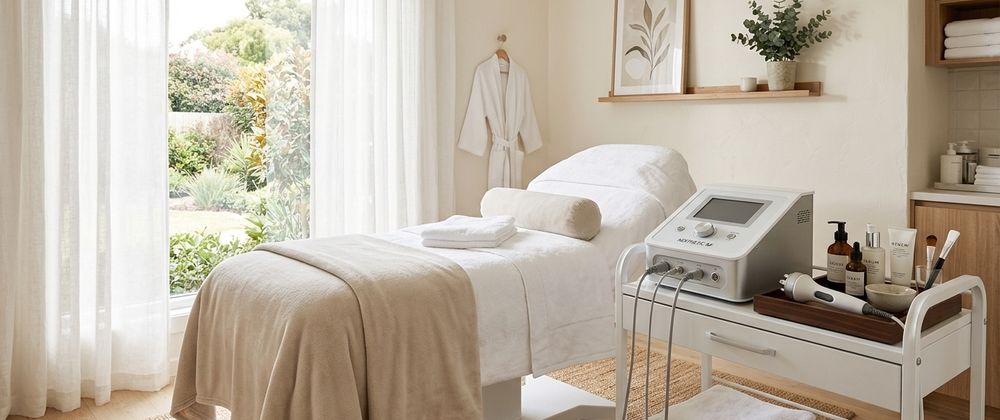

If skin has started to feel a little looser around the jawline or the cheeks aren't sitting where they used to, you've probably landed on two names over and over again: radiofrequency skin tightening and microneedling. Both show up in nearly every search for the best skin tightening near me, and both get recommended by dermatologists and med spas alike. But they don't do the same thing, and picking the wrong one for your skin type can mean months of wasted appointments.
The short answer is this: radiofrequency skin tightening uses heat energy to firm up existing collagen and encourage new production, while microneedling relies on tiny controlled injuries to trigger the skin's own repair process. People searching for the best skin tightening near me usually want one specific outcome, firmer, less crepey skin, and both treatments can get there. The path just looks different depending on your age, your skin concerns, and how much downtime you can tolerate.
What Radiofrequency Skin Tightening Actually Does
Radiofrequency, or RF, devices send energy waves into the deeper layers of the skin without breaking the surface. That energy heats the dermis to somewhere around 40 to 45 degrees Celsius, which is enough to cause existing collagen fibers to contract almost immediately. You'll often hear people say their skin felt "tighter" right after a single session. That's real, though it's also temporary. The longer-lasting benefit comes from what happens over the following weeks, as the heat signals fibroblasts to start producing fresh collagen and elastin.
There's no needling, no bleeding, and generally no visible downtime. Most people go straight back to work afterward. Redness, if it shows up at all, tends to fade within a few hours. Because of that, RF has become a popular lunchtime treatment, and it's often the first thing people ask about when they're researching the best skin tightening near me but don't want to take a weekend off to recover.
Where RF struggles a bit is with texture. It's excellent for laxity, the sagging, loose feeling around the jaw, neck, and under the eyes, but it doesn't do much for acne scarring or uneven skin texture. If tightening is your only goal, that's not a drawback. If you're also dealing with scarring, it's worth knowing upfront.
How Microneedling Works Differently
Microneedling takes a more mechanical approach. A device with fine needles creates hundreds of micro-punctures across the treated area, deep enough to reach the dermis but shallow enough to avoid real damage. The body interprets this as an injury and floods the area with growth factors, kicking off a wound-healing cascade that produces new collagen over the following weeks.
This process is genuinely effective for improving skin texture, minimizing pores, and softening acne scars, in addition to tightening. Many providers now combine microneedling with radiofrequency energy delivered through the needle tips themselves, a hybrid approach often marketed as RF microneedling. It's worth asking your provider directly whether they're offering standard microneedling or the RF-enhanced version, since the results and recovery time differ.
Downtime is the real trade-off here. Expect redness for one to three days, sometimes longer for deeper treatments, along with mild swelling and a sandpaper-like texture as the skin heals. Most clinics recommend spacing sessions four to six weeks apart, and a full course usually runs three to six treatments depending on your skin's condition.
Side-by-Side Comparison
Factor Radiofrequency Skin Tightening Microneedling
Downtime Minimal to none 1–3 days of redness
Best for Skin laxity, sagging Texture, scarring, laxity
Sessions needed 4–6, weekly or biweekly 3–6, monthly
Discomfort level Mild warmth Moderate, often numbed first
Results timeline Gradual over 2–3 months Gradual over 2–4 months
Skin tone suitability Works on most tones Works on most tones, lower risk of pigmentation issues than lasers
Neither treatment is a one-and-done deal. Collagen remodeling is slow biology, not a switch you flip, and anyone promising dramatic results after one visit is overselling it.
Which Treatment Fits Your Skin
Skin in your late twenties or early thirties that's starting to lose a bit of bounce, without noticeable sagging, tends to respond well to microneedling because texture and early collagen decline are the main issues. Once actual laxity sets in, typically in the forties and beyond, radiofrequency starts to earn its reputation as the more targeted fix for sagging along the jaw and neck.
Skin type matters too. RF is considered safer for people with deeper skin tones because it doesn't rely on light-based energy the way lasers do, which lowers the risk of post-inflammatory pigmentation. Microneedling carries a similar safety profile, though aggressive settings can occasionally trigger pigment changes in melanin-rich skin, so working with an experienced provider matters more than the device itself.
Cost is another practical factor people rarely bring up until they're staring at a treatment plan. RF sessions typically run $300 to $600 depending on the area and the device used, while microneedling averages $200 to $500 per session, with RF microneedling landing higher because it combines both technologies. A full course of either treatment, spread across several months, is a real financial commitment, not a single splurge.
Combining the Two for Better Results
A growing number of med spas now recommend layering both treatments into a single plan rather than picking one over the other. RF handles the tightening and firming, microneedling addresses texture and scarring, and together they cover more ground than either does alone. This is increasingly what shows up when people search for the best skin tightening near me and want a provider who can customize rather than push a single service.
That said, combination plans require more sessions and more time between them to let skin heal properly, so it's not the right call for someone who wants fast results with zero downtime. A good consultation should walk through your specific skin concerns before recommending one path over the other.
What to Look for When Searching for the Best Skin Tightening Near Me
Credentials matter more than marketing here. Look for a provider who is a licensed medical aesthetician, nurse practitioner, or physician, and ask directly what device they use, since not all RF and microneedling machines are built the same. FDA-cleared devices from established manufacturers tend to have more clinical data behind them than off-brand equipment.
A few practical questions worth asking before booking:
How many treatments have you performed with this specific device?
Can I see before-and-after photos of clients with similar skin concerns?
What's the realistic timeline for seeing results on my skin type?
What does aftercare look like, and are there any activities I should avoid?
If a provider guarantees dramatic results in one session or can't clearly explain the difference between the two treatments, that's worth treating as a red flag rather than reassurance.
Frequently Asked Questions
Is radiofrequency skin tightening painful? Most people describe it as a warm, deep heat sensation rather than pain. It's generally well tolerated without numbing cream.
Can I combine RF and microneedling in the same visit? Yes, this is common practice and often more effective than either treatment alone, though your provider will space out the more intensive sessions to allow proper healing.
How long do results from either treatment last? Results typically last six months to a year, though this varies based on age, lifestyle, and sun exposure. Maintenance sessions every few months help extend results.
At what age should I start considering these treatments? There's no fixed age. Many people start microneedling in their late twenties for prevention and texture, while RF tends to become more relevant once actual sagging appears, often in the late thirties or forties.
Which treatment has less downtime? Radiofrequency has little to no downtime, making it the better option for anyone who can't take time off to recover. Microneedling requires a few days of visible redness.






Top comments (0)