

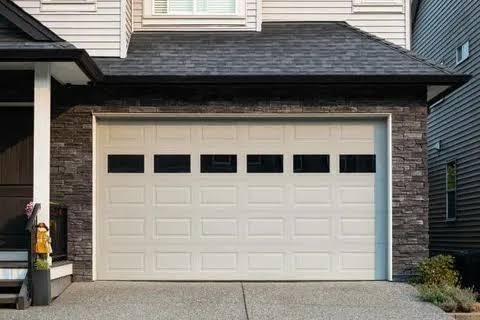
Finding the Right Garage Door Opener for Your Home
A garage door opener is one of those household devices that often receives little attention until it stops working. When it operates properly, it makes entering and leaving the garage simple. When it becomes unreliable, even a small malfunction can disrupt an entire day's routine.
Choosing a replacement opener requires more than selecting a familiar brand or the lowest-priced model. The opener must be suitable for the door's weight, construction, operating frequency, and available installation space. Homeowners may also want to consider noise, remote access, safety features, and compatibility with existing equipment.
For homeowners in Surprise, Arizona, it is sensible to assess the entire garage door system before purchasing new equipment. The local environment, frequency of use, and condition of the door's moving parts all influence how the system should be selected and maintained.
This guide explains the main factors to consider so you can make a practical, informed decision.
Start With the Condition of Your Garage Door
Before comparing opener models, determine whether your existing door is in suitable working condition.
An opener is designed to move a properly installed and balanced door. It should not be used to compensate for a broken spring, damaged cable, bent track, or worn roller.
If the door is difficult to lift, shakes during travel, or stops unexpectedly, arrange an inspection before buying a replacement motor. The cause may be mechanical rather than electrical.
A technician can assess the door's weight, movement, lifting hardware, track configuration, and mounting arrangements. This helps establish the type and capacity of opener required.
It also prevents a common mistake: replacing the opener when the original problem lies elsewhere in the system.
Understand the Different Drive Systems
Garage door openers use different mechanisms to move the door. Each has advantages and considerations.
Chain-drive openers
Chain-drive systems use a chain to move the door along its operating rail. They are widely used and can be suitable for many residential applications.
However, their moving metal components may produce more noise and vibration than some alternative designs. Installation quality, maintenance, and the surrounding building structure can influence the sound level.
A chain-drive model may be worth considering when practicality and compatibility are more important than minimizing noise.
Belt-drive openers
Belt-drive systems use a belt instead of a metal chain. Many homeowners consider them when quieter operation is a priority, particularly if the garage is attached to the house or located below a bedroom.
The actual noise level depends on the model, the door itself, and the installation. A belt-drive opener will not eliminate every sound if the door has worn rollers or misaligned tracks.
Compare manufacturer specifications and confirm that the chosen system is suitable for the door.
Screw-drive and other designs
Screw-drive systems use a rotating threaded mechanism to move the door. Availability, maintenance requirements, and suitability vary by model.
Other designs may offer specialized features for particular doors or installation arrangements.
Rather than choosing solely by mechanism, consider the equipment's compatibility, expected use, maintenance instructions, and available support.
Match the Opener to the Door's Weight and Design
Garage doors differ in size, construction, and weight. A lightweight door and a large, heavy door may require different equipment.
The opener's rated capacity and installation requirements should match the door manufacturer's guidance and the actual system configuration.
Door balance is equally important. The spring system counterbalances much of the door's weight, allowing the opener to move it as intended. If the springs are damaged or incorrectly adjusted, the motor may experience excessive strain.
Do not assume that buying a more powerful opener will resolve a door that is difficult to lift. A mechanical fault should be corrected before the new opener is installed.
The door's movement pattern also matters. Sectional and roll-up doors have different operating arrangements, and the opener must be compatible with the specific design.
Consider Noise and Vibration
Noise can be an important factor for homes with attached garages. A loud opener may be noticeable in nearby bedrooms, living rooms, or workspaces.
Before choosing a model, consider where the garage is located and how often the door operates during the day or night.
A belt-drive opener may be a useful option when reduced operating noise is a priority. Nevertheless, the complete system matters. Loose hardware, worn rollers, track problems, and poorly secured mounting points can all contribute to noise.
Ask whether the existing door needs servicing before the new opener is fitted. Improving the condition of the door can be just as important as choosing a quieter motor.
If your current opener has become louder over time, do not immediately assume that replacement is necessary. A professional inspection may reveal a repairable problem.
Review Remote Access and Smart Features
Modern openers may offer more than a wall switch and handheld remote. Depending on the model, available features can include wireless keypads, smartphone access, activity notifications, and integration with compatible home-automation systems.
Consider which features would genuinely improve your routine.
A remote may be sufficient for a household that primarily enters and leaves by car. A keypad may be useful when multiple family members need access without carrying a remote. Smartphone control can be convenient for homeowners who want to monitor or operate a compatible system remotely.
However, connected features depend on the opener's specifications, network connectivity, and any required applications or subscriptions.
Review the manufacturer's security and privacy information before enabling remote access. Use strong account credentials and remove access for people who no longer need it.
Smart features should add convenience without making the basic system unnecessarily complicated.
Understand Safety Sensors and Automatic Reversal
Safety is an essential part of opener selection and installation.
Many automatic garage door systems use photoelectric sensors near the floor to detect obstructions in the closing path. The opener may also have reversal functions designed to respond to certain resistance conditions.
These features must be installed, configured, and tested according to the manufacturer's instructions and applicable requirements.
Keep sensor lenses clear and make sure stored items do not block their path. If the door repeatedly reverses or refuses to close, investigate the problem instead of disabling a safety feature.
Homeowners should also understand how the manual release works and what to do if the opener loses power.
Do not assume that an opener is safe simply because it is new. Correct installation, proper adjustment, and ongoing testing are necessary for the system to function as intended.
Think About Heat, Dust, and Maintenance in Surprise
The environment around a garage can affect the condition of its mechanical components. In Surprise, dust may collect near the opening, while high summer temperatures can make garage comfort an important consideration.
When selecting an opener, review the manufacturer's operating and storage requirements. If the garage is particularly hot, ask whether the intended installation location and equipment are appropriate for those conditions.
Dust and debris should be kept away from the door's travel path and visible moving components. Follow the instructions supplied with the equipment for cleaning and lubrication.
An opener should also be inspected alongside the door itself. A motor may appear to struggle because of worn rollers, an unbalanced door, or track resistance.
Routine servicing can help identify developing issues, although no maintenance schedule can guarantee that a mechanical component will never fail.
Know When to Repair or Replace an Opener
Not every opener malfunction requires a complete replacement.
Some problems may involve a remote battery, control settings, power supply, sensor alignment, or another repairable component. Other faults may involve the motor, drive mechanism, circuit board, or equipment that is no longer suitable for the door.
The age of the opener and availability of replacement parts can also influence the decision.
Before authorizing a replacement, ask for an explanation of the fault and whether repair is practical. If the existing system lacks features you need or has recurring problems, a new opener may be worth considering.
Compare the cost of repair with the cost of replacement, including installation and any work needed to make the door compatible with the new equipment.
A clear assessment helps you avoid spending money on a new motor when the actual issue lies in the door's lifting mechanism.
Prepare for a Professional Opener Installation
Once you have selected a suitable opener, installation should be planned around the garage's structure and door configuration.
The installer needs to confirm the mounting location, available clearance, electrical requirements, and compatibility with the door. Existing hardware should be inspected before it is reused.
During installation, the opener is mounted and connected according to the manufacturer's instructions. Its travel limits and required safety features are then configured and tested.
The door should move smoothly without binding or unusual strain. The homeowner should receive instructions on using the controls, understanding the emergency release, and performing the recommended basic checks.
Keep vehicles and stored items away from the installation area so the technician has clear access to the relevant components.
For help with opener installation, repairs, and related upgrades, visit garage door opener services in Surprise, AZ.
Make the Decision Based on Your Household's Needs
The right opener is not necessarily the most expensive or feature-rich model. It is the system that matches your door, fits the available space, and provides the features your household will actually use.
For some homes, reliable remote operation and straightforward controls are enough. Others may benefit from quieter operation, a compatible keypad, or smart access.
Compare the equipment's capacity, warranty terms, maintenance requirements, compatibility, and installation cost before deciding.
It is also worth asking about the complete door system. A new opener cannot compensate for damaged springs or misaligned tracks, so those concerns should be addressed as part of the project.
A little planning can help you select equipment that supports convenient everyday use without unnecessary complexity.
Conclusion
Choosing a garage door opener involves more than comparing prices and features. Door compatibility, lifting capacity, noise, safety functions, remote access, and maintenance requirements all deserve attention.
For homeowners in Surprise, Arizona, the most practical approach is to begin with the condition of the existing door and then select an opener suited to its design and intended use.
Professional assessment and correct installation help ensure that the opener and door work together as intended. If you need assistance choosing, repairing, or installing an opener, explore garage door opener and installation services in Surprise, AZ.
Frequently Asked Questions
- Which type of garage door opener is the quietest? Belt-drive openers are often chosen for quieter operation, although noise also depends on the door, rollers, mounting, and installation quality.
- How do I know what capacity opener I need? The correct capacity depends on the door's weight, design, balance, and manufacturer requirements. A professional assessment can help identify a compatible model.
- Can I keep my existing garage door when replacing the opener? Often, yes, provided the door is in suitable condition and compatible with the new equipment. The tracks, springs, and lifting hardware should be checked first.
- Why does my opener run but the door does not move? Possible causes include a drive-mechanism fault, a disconnected component, or a mechanical problem with the door. Stop repeated attempts and arrange an inspection if basic troubleshooting does not resolve it.
- Are smartphone-controlled garage door openers worth considering? They can be useful for households that want remote access or compatible smart-home features. Check connectivity requirements, security options, and ongoing costs before choosing one.






Top comments (0)