

`
Apple Pay in India: Can It Really Challenge UPI?
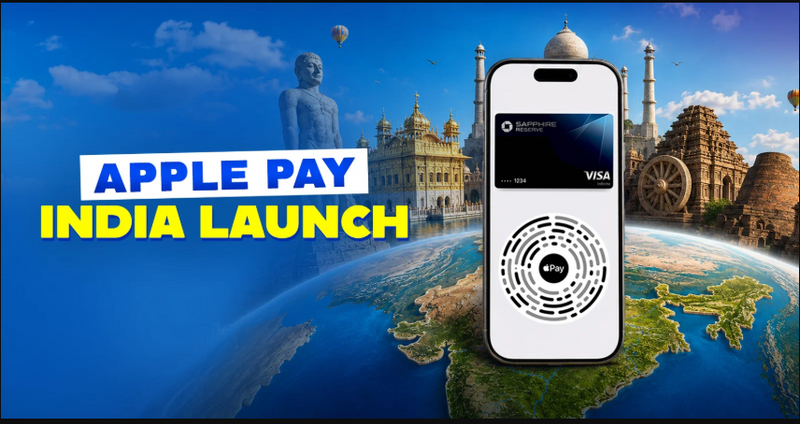
India’s digital payment ecosystem is about to get an interesting new entrant. Apple Pay is reportedly preparing to enter the Indian market in 2026, with reports pointing toward a launch around late September or October. However, Apple has not officially confirmed the launch date yet. The bigger question is whether Apple Pay can compete with UPI, which has become one of the most deeply integrated payment systems in the country.
At first glance, Apple Pay and UPI may appear to be direct competitors. Both offer convenient digital payments, but their underlying systems are very different. Apple Pay is primarily a digital wallet and contactless card-payment service, while UPI enables instant bank-to-bank payments through multiple apps and payment interfaces.
What Could Apple Pay Offer in India?
If current reports prove accurate, Apple Pay’s initial Indian rollout will focus on supported Visa and Mastercard credit cards rather than UPI transactions. Users could add eligible cards to Apple Wallet and make contactless payments using an iPhone or Apple Watch at compatible NFC-enabled terminals.
Security is another major part of Apple Pay’s appeal. Apple uses tokenization and its Secure Element technology rather than simply sharing the original card number with merchants. Transactions can also be authenticated through Face ID, Touch ID, or a device passcode.
For existing iPhone users who regularly use credit cards, this could make everyday payments faster and more convenient.
Why UPI Has the Advantage
The biggest challenge for Apple Pay is not technology—it is consumer habit.
UPI has become deeply embedded in India's everyday payment culture. It allows users to pay merchants by scanning QR codes, entering a UPI ID, or using other supported payment methods. It also works across a huge network of banks, apps, merchants, and consumers.
In July 2026 alone, UPI processed 23.66 billion transactions worth ₹29.88 trillion, demonstrating the enormous scale of India's existing digital payment infrastructure.
This creates a difficult environment for any new payment service. A customer buying groceries, paying a local shopkeeper, or splitting a restaurant bill may already have a familiar UPI method that works instantly. Apple Pay would therefore need to offer more than simply a stylish contactless experience to change established habits.
Where Apple Pay Could Succeed
Apple Pay does not necessarily need to replace UPI to become successful in India.
Its strongest opportunity could be among premium consumers who already own iPhones and Apple Watches and regularly use credit cards. Contactless card payments can be particularly attractive for users who want to retain credit-card rewards, benefits, EMI options, and other card-related features.
Apple’s ecosystem could also work in its favor. People who already use Apple Wallet for passes and other credentials may find it natural to add payment cards to the same environment.
However, the service will face a significant limitation if UPI is unavailable at launch. India has millions of QR-based merchants where card terminals may not be available. Without UPI integration, Apple Pay would have a narrower reach than the country's dominant payment network.
Could Apple Pay Eventually Integrate UPI?
This may ultimately be the most important question.
Reports indicate that Apple would need approval from the National Payments Corporation of India (NPCI) and a sponsor bank to support UPI transactions.
If Apple eventually brings UPI into its payment ecosystem, the competitive picture could change significantly. Instead of trying to replace UPI, Apple Pay could become an attractive interface for accessing UPI on Apple devices.
That would allow Apple to combine its familiar user experience and security features with India's most widely used digital payment infrastructure.
Apple Pay vs UPI: What Comes Next?
Apple Pay’s arrival could certainly make India's digital payment market more competitive, but calling it a direct UPI replacement may be premature.
UPI already has massive merchant acceptance, bank connectivity, interoperability, and consumer familiarity. Apple Pay, at least initially, appears better positioned as a premium contactless card-payment option for Apple's user base.
The real game changer would be UPI integration. Until that happens, Apple Pay may win users who prefer seamless card payments, while UPI continues to dominate everyday digital transactions.
India's payment market may therefore not be a battle where one technology completely replaces another. Instead, Apple Pay could become another layer in an already diverse ecosystem—offering iPhone users a faster way to tap, while UPI continues to own the QR codes, bank transfers, and everyday payment habits across the country.
For more information, please visit www.techdogs.com
For Media Inquiries, Please Contact:
LinkedIn | Facebook | X | Instagram | Threads | YouTube | Pinterest
`







Top comments (0)