
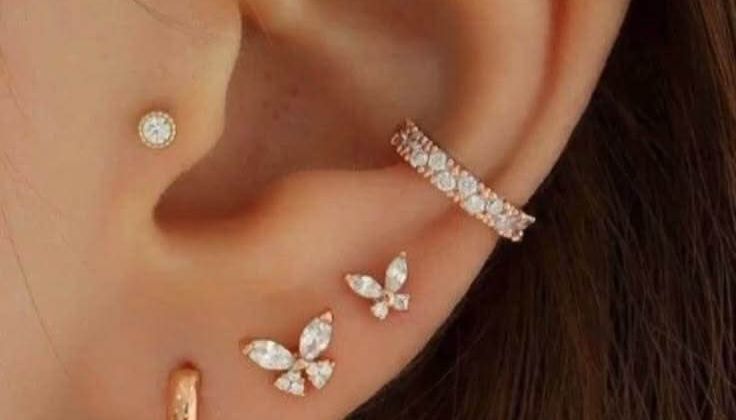

Choosing an ear piercing is a personal decision that allows you to express your preferences through jewelry and placement. Some people prefer a simple look with one or two earrings, while others enjoy creating a combination of different piercings across the ear.
With many placement options available, it can be difficult to know where to begin. Understanding the different areas of the ear, jewelry sizes, and healing expectations can help you make a choice that suits your daily routine and personal taste.
Before deciding on a placement, read more about the ear piercing chart to understand the different areas of the ear and how each piercing location is identified.
Why Planning Your Piercing Matters
Getting a piercing involves more than choosing a design you like. The location, jewelry type, and aftercare routine all affect your overall experience.
Every ear has a different shape, and not every placement will look or feel the same for everyone. Factors such as ear structure, lifestyle, and comfort should be considered before making a final decision.
Researching different piercing options beforehand can help you understand what to expect and prepare for proper aftercare.
Exploring Different Ear Piercing Placements
The ear has several areas where piercings can be placed. Each location offers a different appearance and requires different levels of care.
Lobe Piercing
The lobe is the soft lower section of the ear and is one of the most common piercing choices. Many people start with this placement because it offers various jewelry options and is generally easier to manage.
Upper Lobe Piercing
The upper lobe sits slightly above the traditional lobe area. It is often chosen by people who want to add more earrings while maintaining a balanced arrangement.
Helix Piercing
The helix is placed along the outer upper edge of the ear. Since this area contains cartilage, it usually requires more attention during the healing period.
Tragus Piercing
Located near the ear canal, the tragus is a small cartilage area that works well with compact jewelry styles.
Conch Piercing
The conch area is found in the inner cartilage section of the ear. It can be styled with different jewelry choices depending on personal preference.
Rook and Daith Piercings
These piercings are placed in the inner folds of cartilage. Because ear anatomy varies, professional advice is important before choosing these placements.
Understanding Different Piercing Options
When people start researching ear piercings, they often look for an all ear piercings chart to understand the names and locations of different placements.
A visual chart can make it easier to compare options and see how various piercings are positioned. It is especially useful for people planning multiple piercings because it helps create a clear idea of possible combinations.
If you want to explore placement details further, discover the meaning behind the types of ear piercing chart to understand how different piercing categories are arranged.
Choosing the Correct Jewelry Size
The size of your jewelry plays an important role in comfort and healing. Selecting the wrong measurement may cause unnecessary irritation or discomfort.
An ear piercing size chart helps explain common jewelry measurements, including thickness and length options used for different piercing locations.
However, the ideal size depends on your individual ear structure and the recommendation of your professional piercer. Jewelry chosen for a new piercing is often selected to support the healing process.
Planning Multiple Piercings Carefully
Many people enjoy building a collection of piercings over time. Planning your placements in advance can help create a balanced arrangement and prevent overcrowding.
Using ear piercing charts allows you to compare different areas and think about how multiple earrings may look together.
Taking enough time between piercings also allows each area to heal properly and reduces the chance of complications.
Finding Information Before Your Appointment
Learning about piercing options before visiting a studio can make the process easier. Many people explore different resources to understand placement names, jewelry choices, and aftercare requirements.
Antiquecut provides information for jewelry enthusiasts who want to learn more about piercing styles, jewelry preferences, and different ear decoration ideas.
A helpful ear chart for piercings can show where each piercing is located, making it easier to discuss your ideas with a professional piercer.
Matching Your Piercing With Your Daily Routine
Your lifestyle should be considered when selecting a piercing. Some placements may require extra care depending on your daily habits.
For example, people who regularly use headphones, wear helmets, or participate in physical activities may need to think carefully about certain cartilage placements.
Choosing a piercing that fits your routine can make the healing process more comfortable.
Learning About Different Piercing Categories
An ear piercing types chart can help you compare different piercing styles and understand how each option differs.
From simple lobe piercings to detailed cartilage arrangements, every placement has its own characteristics. Learning about these differences allows you to make a more informed decision based on your preferences.
Important Aftercare Practices
Proper aftercare is necessary for maintaining a healthy piercing. Following professional advice and keeping good habits can support the healing process.
Some helpful practices include:
Wash your hands before touching your piercing.
Clean the area as recommended by your piercer.
Avoid removing jewelry too early.
Protect the piercing from unnecessary pressure.
Keep products like sprays and cosmetics away from the area.
Healing times can vary depending on the piercing location and individual factors.
Final Thoughts
Choosing an ear piercing is an exciting personal decision that requires some planning. With many placements, jewelry options, and styles available, understanding the basics can help you select the right option for your needs.
By researching different placements, checking size information, and considering your daily routine, you can enjoy a comfortable piercing experience. Taking time to understand your choices before making a decision can help you find a style that feels natural and suitable for you.





Top comments (0)