

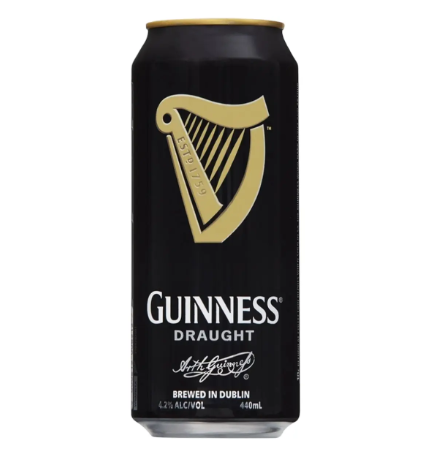
Guinness is one of the most recognizable stout styles in the world, known for its dark appearance, creamy texture, roasted character, and distinctive presentation. For people who enjoy exploring different beer styles, a Guinness beer can offers a convenient way to experience draught-style stout at home while maintaining much of the smooth mouthfeel associated with a pub pour.
Understanding how Guinness is made, how it should be served, and which foods complement its flavor can make the drinking experience more enjoyable. The temperature, glassware, pour, and food pairing can all influence how its roasted malt and creamy characteristics are perceived.
What Makes a Guinness Beer Can Different?
A Guinness beer can is designed to recreate some of the qualities associated with draught stout. One notable feature of canned draught Guinness is the use of a widget, a small device inside the can that helps release nitrogen when the can is opened.
Nitrogen produces much finer bubbles than carbon dioxide, contributing to the dense, creamy head and smoother mouthfeel commonly associated with Guinness Draught.
This is also why the beer may appear to "cascade" after being poured. The bubbles move through the glass before settling into the familiar dark body topped by a thick, pale head.
What Does Guinness Taste Like?
Guinness Draught is generally characterized by roasted malt flavors with notes often described as coffee-like, lightly chocolatey, and toasted.
Despite its very dark color, the beer is usually smoother and lighter in body than many people expect from appearance alone. Its nitrogenation softens the carbonation and gives it a creamy texture.
Bitterness is present but usually balanced by roasted malt flavors. The finish tends to be relatively dry, making it easier to pair with a variety of foods than heavier or sweeter stouts.
When tasting a Guinness beer can, allowing the beer to settle fully after pouring can help reveal its intended texture and aroma.
How Should Guinness Be Served?
Serving temperature matters. Beer that is excessively cold can mute aroma and flavor, while beer that is too warm may feel less refreshing.
A clean glass is also important because grease, detergent residue, or dust can interfere with head retention.
For canned Guinness, the beer should generally be poured into the glass rather than consumed directly from the can if the goal is to experience its visual cascade, aroma, and creamy head.
Pouring steadily into a tilted glass and then allowing the beer to settle can help create a smooth presentation.
What Foods Pair Well With Guinness?
The roasted flavors of a Guinness beer can make it suitable for many rich and savory foods.
Roasted and grilled meats often work well because the charred flavors can complement the stout's toasted malt character. Beef dishes, burgers, sausages, and slow-cooked stews are common choices.
It can also pair well with roasted vegetables, mushrooms, and dishes containing caramelized onions.
Seafood may seem less obvious, but oysters have a long-standing association with stout. The salty, mineral character of oysters can contrast effectively with the beer's creamy texture and roasted finish.
Can Guinness Be Used in Cooking?
Stout can also be used as an ingredient in cooking. Its roasted malt flavors can add depth to sauces, stews, marinades, and braised dishes.
In savory recipes, the beer may contribute bitterness, caramelized malt notes, and complexity. It is commonly used in beef stews and rich gravies.
Stout can also be incorporated into desserts, especially recipes containing chocolate. The roasted character of the beer can reinforce cocoa flavors in cakes, brownies, and similar dishes.
When cooking with a Guinness beer can, the amount used should be balanced carefully because too much stout can introduce excessive bitterness.
How Should Canned Guinness Be Stored?
Beer quality can be affected by heat, light, and storage conditions.
Cans offer an advantage because they block light completely, protecting the beer from light-related flavor changes. However, they should still be stored in a cool, stable environment away from excessive heat.
Before serving, chilling the can to an appropriate drinking temperature can help maintain the intended texture and flavor balance.
It is also useful to check the packaging date or best-before information when available, particularly if the beer has been stored for a long period.
What Should You Consider When Buying Guinness?
Packaging format is one consideration. Multipacks can be useful for gatherings or for keeping several servings available at home.
Buyers should also confirm can size, pack quantity, product type, and whether the listing is for Guinness Draught rather than another Guinness variation.
Anyone purchasing alcoholic beverages should also follow local age requirements and consume responsibly. Serving size and alcohol content should be considered just as carefully as flavor and food pairing.
Conclusion
Guinness is distinctive because it combines dark roasted flavors with a comparatively smooth, creamy drinking experience. Serving it at an appropriate temperature, using clean glassware, and allowing the beer to settle can help bring out the characteristics people associate with draught-style stout.
For those looking to purchase it conveniently, R&V Drinks offers an option for sourcing canned Guinness along with other beverage choices, making it easier for customers to find suitable drinks for meals, gatherings, or personal preferences. Whether enjoyed alongside a hearty meal or explored as part of a broader interest in stout styles, a Guinness beer can can provide a familiar combination of roasted flavor, creamy texture, and distinctive presentation when served responsibly.






Top comments (0)