

A damaged wall can seem like a minor problem until it begins interfering with a business's operations. In an office, retail space, medical facility, warehouse, or other commercial property, even one damaged section can affect appearance, safety, employee comfort, or an upcoming renovation. That is why Commercial Drywall Repair is often approached as a focused restoration rather than a justification for shutting down an entire space. The objective is simple: fix the problem properly while minimizing disruption.
For Jacksonville businesses, that approach becomes even more valuable when repairs are planned around daily operations rather than treated as a standalone construction project.
Why Can Small Wall Damage Cause Big Disruptions?
Commercial walls deal with plenty of everyday abuse. Furniture gets moved, equipment bumps into corners, doors swing open too far, plumbing problems leave water-damaged sections, and years of activity gradually create dents, cracks, and holes.
The damage may be localized, but leaving it unattended can make the eventual repair more complicated. A small hole can expand, a cracked area can deteriorate further, and water damage can continue beneath the visible surface.
A professional assessment can help determine whether the problem involves:
- Dents, holes, or impact damage
- Cracked or deteriorating sections
- Water-damaged drywall
- Areas requiring reinforcement
- Walls are being prepared for repainting or remodeling
Identifying the actual cause also prevents businesses from treating only the visible symptom. If moisture is the cause of the damage, for example, repairing the wall without addressing the source may simply lead to another repair later.
A Repair Plan Built Around Business Hours
Commercial repair is not just about fixing a surface. It is also about deciding when and how the work should happen without creating unnecessary obstacles. A business may have employees arriving early, customers throughout the day, deliveries moving through the property, or rooms that cannot easily be taken out of service. That makes scheduling an important part of the repair process.
Depending on the scope and property, work may be organized during quieter periods or outside normal operating hours. Dividing the project into manageable areas can also help keep unaffected sections available for regular use.
Good preparation can further reduce disruption. Before work begins, crews can identify the affected area, protect nearby surfaces, organize materials, and establish a clear repair sequence. Instead of turning an entire property into a construction zone, the focus remains on the sections that actually require attention. That distinction matters in busy commercial environments where even a temporary obstruction can affect employees and customers.
What Happens After the Damaged Area is Repaired?
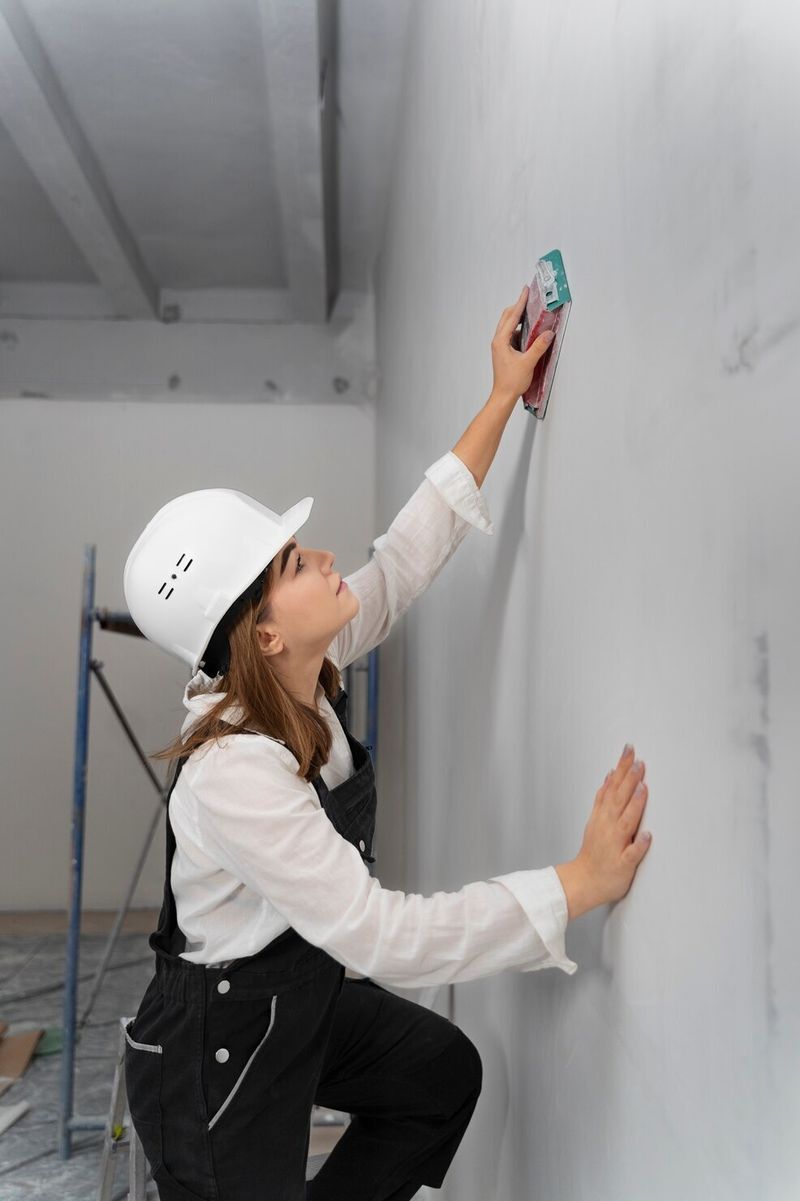
Repairing drywall is only part of restoring the wall. Once the damaged section has been filled or replaced, the surface needs to be properly finished so the repair is not visibly obvious. That may involve smoothing the area, sanding uneven sections, preparing the surface, and matching the surrounding texture before painting begins.
This is where Drywall Repair becomes more than a cosmetic exercise. A properly restored surface provides a cleaner foundation for finishing work and helps prevent dents, seams, or uneven patches from becoming more noticeable under fresh paint.
The sequence is important, too. If a wall is painted before necessary repairs are completed, that new coating may have to be disturbed later. Handling repairs first allows subsequent painting or remodeling work to proceed on a properly prepared surface. For property managers, this can make a larger maintenance project easier to coordinate. Instead of scheduling multiple interruptions for the same wall, related tasks can be planned together.
When Should Exterior Damage Be Checked Too?
Interior wall damage does not always originate indoors. Water intrusion, deteriorated exterior finishes, drainage issues, or damage around windows and doors can sometimes affect interior surfaces. When the source of a recurring wall problem is unclear, examining the exterior can provide useful clues.
Jacksonville's weather also makes exterior maintenance worth keeping on the radar. Persistent moisture can contribute to deterioration when damaged exterior surfaces are left unattended. Cracks, loose material, staining, or other visible changes should be evaluated before they become part of a larger building-maintenance problem.
For properties with stucco exteriors, Stucco Repair may be relevant when cracking, chipping, moisture-related deterioration, or other surface issues occur. Addressing the exterior issue can be an important part of protecting the surrounding structure while maintaining a finished appearance.
Conclusion
Commercial wall maintenance works best when it is treated as part of keeping a property functional, rather than simply making it look presentable. Focused repairs, sensible scheduling, careful preparation, and attention to possible moisture sources can help prevent a manageable defect from becoming a larger interruption.
For Jacksonville businesses, SA Classic Painting approaches repair and painting with the practical needs of an active commercial property in mind, helping damaged surfaces move from problem areas back into usable, finished spaces.






Top comments (0)