
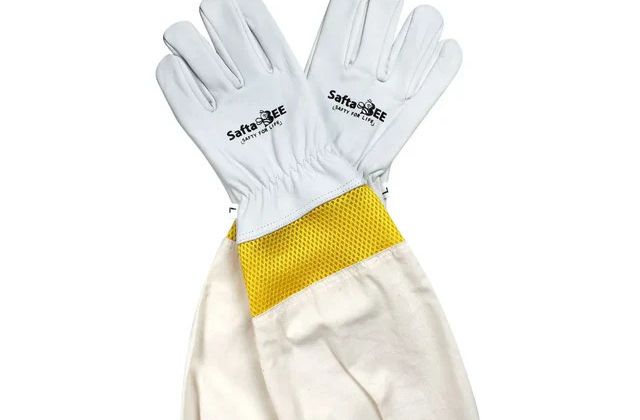

When working with your hands, precision and control are everything. Yet many beekeepers quickly notice that wearing beekeeping gloves can make simple tasks feel clumsy. Whether you’re inspecting frames or handling delicate equipment, the loss of dexterity is a common concern—but it happens for clear, practical reasons.
First, beekeeping gloves add a physical barrier between your fingers and the objects you’re touching. This extra layer reduces tactile feedback, meaning your brain receives less information about pressure, texture, and grip. As a result, tasks that rely on fine motor skills—like picking up small tools or gently handling bees—become more difficult.
Second, most beekeeping gloves are designed with protection as the priority. Thick materials such as leather or reinforced fabrics are excellent at preventing stings, but they naturally limit finger flexibility. The stiffer the material, the harder it is for your fingers to move freely and independently.
Another factor is fit. Poorly fitted beekeeping gloves—whether too tight or too loose—can significantly impact hand movement. Tight gloves restrict circulation and motion, while loose gloves create excess material that interferes with grip and control.
Additionally, bulk and padding play a role. Many beekeeping gloves include extra layers for safety, especially around the fingers and palms. While this improves sting resistance, it reduces your ability to perform precise movements.
At Safta Bee, we understand this balance between safety and functionality. As a manufacturer of beekeeping suits, beekeeping gloves, and other protective clothing, we focus on designing products that protect without sacrificing control. By using flexible materials, ergonomic designs, and better-fitting patterns, modern beekeeping gloves can offer both safety and improved dexterity.
In the end, while gloves may reduce dexterity, the right design ensures you don’t have to compromise too much between protection and performance.






Top comments (0)