
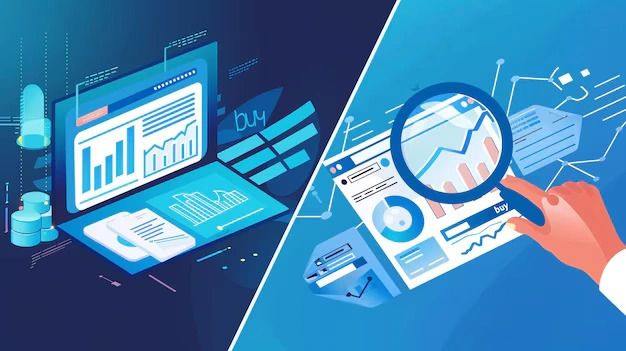

In 2026, marketing is no longer driven by guesswork or basic performance metrics. Businesses are operating in a hyper-competitive digital ecosystem where customer behavior changes rapidly, privacy regulations evolve, and AI-driven search experiences dominate how people discover brands. This shift has made analytics the backbone of modern marketing strategies. Companies that understand user behavior, conversion journeys, and engagement patterns are outperforming those that rely on assumptions or outdated reporting tools.
The rise of automation, predictive modeling, and cross-platform tracking has made advanced analytics more accessible than ever. Google Web Analytics Services are helping organizations move from reactive decision-making to predictive marketing strategies. These tools empower businesses to understand not just what happened, but why it happened and what will likely happen next. For companies focused on growth, scalability, and personalization, analytics has become a mission-critical investment rather than an optional add-on.
Understanding the Role of Google Web Analytics in Modern Business Strategy
Modern analytics platforms like Google Analytics 4 (GA4) are designed to measure the complete customer lifecycle across websites and mobile apps. Unlike earlier analytics models that relied heavily on cookies and session-based tracking, GA4 uses event-based tracking to provide deeper behavioral insights. This shift is crucial in a privacy-first internet where third-party cookies are fading out and user expectations for personalization are rising.
Google Web Analytics Services help businesses track user interactions such as clicks, scrolls, downloads, purchases, and engagement time. More importantly, GA4 integrates machine learning capabilities that can predict user behavior trends and highlight growth opportunities. Predictive metrics such as purchase probability and churn probability help marketers identify high-value audiences and focus resources where they matter most.
For marketing teams, this means less manual data analysis and more actionable intelligence. Instead of reviewing hundreds of reports, teams can prioritize campaigns based on AI-powered insights that highlight potential revenue drivers or user drop-off risks.
Challenges Businesses Face Without Advanced Analytics
Many businesses still rely on fragmented data sources or basic traffic reporting. This creates blind spots in understanding customer journeys. For example, companies may see traffic numbers rising but fail to identify why conversions are declining. Without unified analytics, marketing teams struggle to connect advertising performance, content engagement, and sales outcomes.
Another major challenge is data overload. Businesses collect massive volumes of data but often lack the tools or expertise to convert it into meaningful insights. Without advanced analytics frameworks, teams may focus on vanity metrics like page views instead of revenue-driving metrics like customer lifetime value or multi-touch attribution.
Privacy changes are another factor reshaping analytics. With stricter data regulations and cookie limitations, businesses need analytics platforms that can adapt using first-party data and machine learning models. Google Web Analytics Services help bridge this gap by using modeled data to maintain measurement accuracy while respecting privacy standards.
How Advanced Analytics Improves Marketing ROI and Business Performance
Data-driven organizations consistently show better business performance because they can make faster, more accurate decisions. Companies using data-driven strategies are significantly more likely to acquire customers and improve operational efficiency compared to those relying on intuition alone.
Analytics helps businesses optimize marketing budgets by identifying high-performing channels and eliminating wasteful spending. Instead of distributing budgets equally across channels, marketers can allocate resources based on conversion contribution and revenue impact. This ensures higher ROI and better campaign efficiency.
Another major benefit is personalization. Modern analytics tools help brands understand micro-segments of audiences based on behavior patterns. Businesses can then create personalized content, offers, and messaging that resonate with specific audience groups. This improves engagement, brand trust, and long-term customer loyalty.
How Organizations Can Use Analytics to Improve Decision-Making
Businesses can use analytics insights to optimize multiple areas of marketing and operations. Customer acquisition strategies become more precise when companies understand which channels generate high-value users. Product teams can improve user experience based on behavior flow reports that highlight friction points.
Sales teams can use analytics to forecast demand patterns and identify seasonal trends. Customer support teams can identify common user issues by analyzing support interactions and behavioral drop-offs. In short, analytics connects every department with a single source of truth, ensuring consistent and strategic decision-making across the organization.
Google Web Analytics Services also allow businesses to integrate data from multiple platforms such as CRM tools, advertising platforms, and eCommerce systems. This unified data view helps leadership teams make faster strategic decisions based on real-time performance indicators.
Key Features That Make Google Web Analytics Essential in 2026
One of the biggest advantages of modern analytics platforms is predictive intelligence. Machine learning helps identify patterns that humans may miss. For example, predictive audiences help marketers identify users who are likely to convert or churn, enabling proactive campaign optimization.
Cross-device tracking is another essential feature. Customers now interact with brands across multiple devices before making purchase decisions. Advanced analytics tools help connect these touchpoints into a single user journey, improving attribution accuracy and campaign measurement.
Real-time reporting is also crucial. Businesses can monitor campaign performance instantly and make quick adjustments. This is especially important for paid advertising campaigns, product launches, and seasonal promotions where timing directly impacts revenue.
Best Practices for Implementing Web Analytics Successfully
Organizations should start by defining clear business goals before implementing analytics tools. Metrics should align with revenue, customer retention, or brand awareness objectives rather than vanity metrics. This ensures analytics directly contributes to business growth.
Data quality is another critical factor. Businesses must ensure accurate tracking setup, proper event tagging, and regular data audits. Poor tracking implementation can lead to misleading insights and incorrect business decisions.
Training teams to interpret data correctly is equally important. Many companies invest in analytics tools but fail to invest in analytics literacy. Institutions and organizations should provide regular training to marketing, sales, and leadership teams to ensure data-driven culture adoption.
Companies should also focus on integrating analytics into daily workflows. Instead of reviewing reports monthly, teams should use real-time dashboards for continuous optimization. This makes analytics part of daily decision-making rather than a reporting exercise.
Why Many Businesses Partner with Experts for Analytics Strategy
Implementing analytics is not just about installing tracking codes. It requires strategy, data architecture planning, and continuous optimization. Many businesses partner with specialized teams or a Best SEO Company to ensure proper setup, integration, and performance tracking across digital channels.
Analytics experts help businesses define meaningful KPIs, build conversion funnels, and create automated reporting dashboards. This reduces manual reporting work and allows teams to focus on strategy and growth initiatives.
Expert guidance also ensures compliance with privacy regulations, data security standards, and tracking best practices. As data laws evolve globally, businesses need analytics strategies that balance performance tracking with ethical data usage.
How Analytics Supports Long-Term Business Growth
Analytics helps businesses shift from short-term campaign thinking to long-term customer lifecycle strategies. By analyzing repeat purchase behavior, engagement frequency, and user retention trends, companies can build sustainable growth models.
Predictive analytics also helps businesses anticipate market changes. Instead of reacting to performance drops, companies can adjust strategies proactively. This gives businesses a competitive advantage in fast-moving digital markets.
Organizations that embrace analytics early often build stronger customer relationships because they understand user needs better. Over time, this creates stronger brand loyalty, higher lifetime value, and more stable revenue growth.
Start Building Smarter Marketing Strategies with Advanced Analytics Today
Businesses that want to stay competitive in 2026 must move beyond basic reporting and embrace predictive, AI-driven analytics. Investing in Google Web Analytics Services allows companies to understand customer behavior deeply, optimize marketing spend, and make faster strategic decisions based on real data.
Forward-thinking brands are already integrating analytics into every stage of their marketing and business strategy. By partnering with a trusted Digital Marketing Agency, organizations can ensure they are leveraging analytics technology, automation, and AI insights to drive measurable growth while maintaining innovation and leadership in the digital landscape.







Top comments (0)