

Modern engineering requires innovative solutions that combine different technologies to create efficient and reliable products. Mechatronic Design brings together mechanical engineering, electronics, control systems, and software to develop intelligent machines and advanced engineering systems. This integrated approach helps businesses improve product functionality, optimize industrial processes, and meet the growing demands of modern industries.
What Is Mechatronic Design?
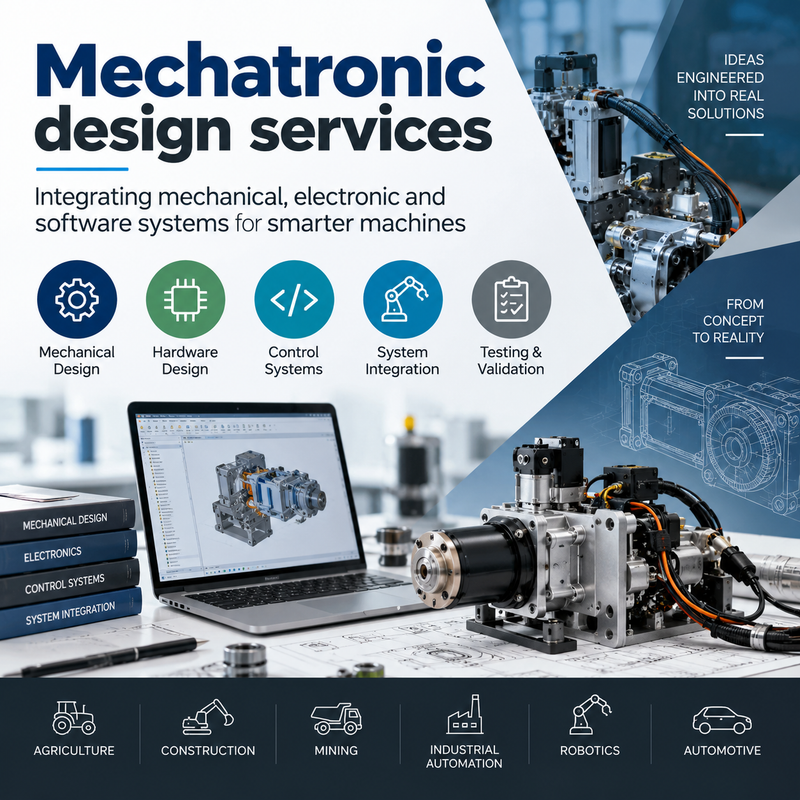
Mechatronic design is an engineering approach that integrates mechanical components with electronic systems, sensors, actuators, and intelligent control technologies. Instead of developing each component separately, engineers consider how all the elements will work together as a complete system.
This approach is useful in robotics, industrial automation, automotive systems, manufacturing equipment, and smart product development. By combining multiple engineering disciplines, businesses can develop products that deliver better performance, improved accuracy, and greater operational efficiency.
Key Elements of Mechatronic Design
An effective mechatronic system involves several important components working together.
Mechanical Engineering: Mechanical structures, moving parts, and physical components provide the foundation of the system.
Electronics and Sensors: Electronic circuits and sensors collect information, detect changes, and help the system respond to its environment.
Control Systems: Control technologies regulate machine operations, maintain accuracy, and support automated decision-making.
Embedded Software: Software processes sensor data, manages system functions, and coordinates communication between different components.
System Integration: Integration ensures that mechanical, electronic, and software elements operate together efficiently and reliably.
Benefits of Professional Mechatronic Design
Investing in professional mechatronic design can provide several advantages for engineering and manufacturing businesses. Integrated design helps identify compatibility issues early in the development process, reducing the risk of costly modifications later.
It also supports improved product accuracy, efficient automation, and reliable system performance. Businesses can use mechatronic solutions to simplify repetitive tasks, improve equipment functionality, and develop innovative products that meet specific operational requirements.
Another important benefit is flexibility. Well-designed mechatronic systems can be adapted to changing production needs and evolving technologies, helping organizations maintain efficiency as their operations grow.
Applications Across Modern Industries
Mechatronic design plays an important role in many industrial and commercial applications. In manufacturing, it supports automated production lines, material handling equipment, and precision machinery. In robotics, it helps engineers develop robotic systems capable of performing complex and repetitive tasks.
The automotive industry uses mechatronic principles in electronic control systems, driver assistance technologies, and automated vehicle components. Medical equipment manufacturers also apply these principles to develop precise instruments and automated diagnostic devices.
Additionally, mechatronic design supports smart machinery, intelligent monitoring systems, and advanced industrial equipment. These applications demonstrate how integrated engineering can help businesses address technical challenges and improve overall productivity.
Why Choose a Systematic Design Approach?
Successful mechatronic development requires careful planning, accurate engineering calculations, component selection, simulation, and testing. Engineers must consider mechanical performance, electronic compatibility, software requirements, safety, and maintenance throughout the development process.
A systematic approach allows potential design problems to be identified before manufacturing begins. Simulation and prototype testing can help evaluate performance, validate engineering decisions, and reduce development risks.
Collaboration between mechanical engineers, electronics specialists, and software developers is also essential. When different disciplines work together from the beginning, the resulting system is more likely to meet its functional and performance requirements.
Conclusion
Mechatronic Design is an important part of modern engineering, connecting mechanical systems, electronics, automation, and software to create intelligent and efficient solutions. From robotics and manufacturing to automotive technology and smart equipment, its applications continue to expand across different industries.
Businesses seeking better product performance and reliable automation can benefit from a well-planned mechatronic design process. By focusing on system integration, testing, and continuous improvement, organizations can develop practical engineering solutions that support innovation and long-term growth.





Top comments (0)