

Tattoos can be meaningful expressions of personal style, memories, or important life experiences. However, preferences can change over time, and a design that once felt right may no longer suit a person's lifestyle or appearance. Some individuals may also wish to remove a tattoo because of changes in their professional requirements, an outdated design, or dissatisfaction with the finished result.
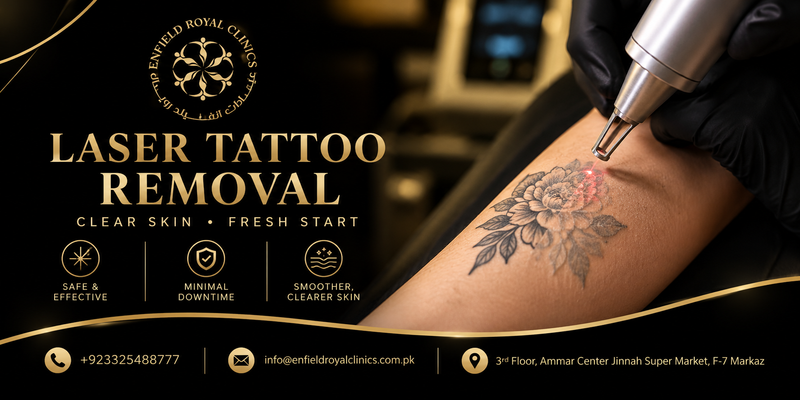
Tattoo removal offers a way to reduce or eliminate unwanted tattoo pigment, helping the skin look clearer over time. Modern techniques, particularly laser treatments, can target ink particles beneath the skin without intentionally removing the entire surface layer. The body then gradually processes and clears some of the fragmented pigment.
For individuals exploring Tattoo Removal in Islamabad, understanding the treatment process, expected results, safety considerations, and aftercare can make the decision easier. Although tattoo removal can be effective, the outcome depends on factors such as ink colour, tattoo depth, skin type, and the body's response to treatment. Complete removal is not guaranteed, and multiple sessions are often necessary.
- Understanding How Tattoo Removal Works Tattoo ink sits within the skin, mainly in the dermis, which is the layer beneath the outer surface. When a tattoo is created, the ink is deposited into this layer so that the design remains visible for years. The body can remove some pigment naturally, but it cannot easily clear all the particles that make up a permanent tattoo.
Tattoo removal works by targeting or breaking down the pigment so that it becomes easier for the body to process. The method used depends on the tattoo's characteristics and the individual's skin.
Laser tattoo removal is one of the most commonly used approaches. It delivers controlled pulses of light energy into the skin. The ink absorbs this energy, causing pigment particles to break into smaller fragments. The body's natural immune system then gradually clears some of these fragments over the following weeks.
The laser does not simply wash away the tattoo during a session. Instead, it begins a process that continues after treatment. This explains why fading develops gradually rather than immediately.
Other removal methods may include surgical excision or selected specialist techniques. Surgical removal involves cutting out tattooed skin and closing the wound, which generally leaves a scar. Certain chemical or abrasive methods can damage surrounding tissue and are not appropriate substitutes for professional treatment.
For many people considering Tattoo Removal in Islamabad, laser treatment may be discussed because it can reduce unwanted pigment without requiring the entire tattooed area to be surgically removed. However, suitability must be assessed individually.
- How Laser Tattoo Removal Targets Different Ink Colours Laser technology uses specific wavelengths of light to target tattoo pigments. Different colours absorb light differently, so one laser setting may not work equally well for every tattoo.
Black and dark-blue ink
Black ink often responds well to laser treatment because it absorbs a broad range of laser wavelengths. Dark-blue pigments may also respond favourably, although the outcome depends on the ink formulation, depth, and tattoo density.
Red and warm-coloured ink
Red, orange, and some related pigments may respond to wavelengths selected specifically for those colours. The most suitable option depends on the precise pigment and the technology available.
Green, turquoise, and lighter colours
Green, turquoise, and certain lighter pigments can be more difficult to remove. Some may require specialised laser wavelengths or additional sessions. White, flesh-toned, and cosmetic tattoo pigments can be particularly unpredictable because some may darken or change colour after laser exposure.
Professional and amateur tattoos
Professional tattoos often contain more concentrated pigment and may extend deeper into the skin. Amateur tattoos may contain less ink or uneven pigment distribution, but their response can still vary considerably.
During a consultation for Tattoo Removal in Islamabad, the practitioner should assess the tattoo's colours, size, age, depth, and location before recommending a treatment approach. A test spot may be appropriate in selected cases, particularly when pigment behaviour is uncertain.
The important point is that tattoo removal is not a one-size-fits-all procedure. Choosing suitable technology and treatment settings helps improve the chance of fading while limiting unnecessary injury to the surrounding skin.
- What Happens During a Tattoo Removal Session? A tattoo removal session usually begins with an assessment of the tattoo and the patient's skin. The practitioner reviews medical history, previous skin reactions, existing skin conditions, medications, and any history of scarring or pigmentation changes. These details help identify potential risks and determine whether treatment is appropriate.
The process generally includes several stages.
Skin preparation
The treatment area is examined and cleaned. Protective eyewear must be worn by the patient and treatment personnel because laser light can seriously injure the eyes. Depending on the tattoo and the treatment method, a topical or other form of anaesthesia may be considered to reduce discomfort.
Laser application
The practitioner directs controlled laser pulses at the tattoo. Some patients describe the sensation as similar to a quick snap against the skin or a small splash of hot droplets. The level of discomfort depends on the tattoo's location, the treatment settings, and individual pain tolerance.
Smaller tattoos may take only a short time to treat, while larger designs can require longer sessions. The treatment area may appear temporarily white or frosted immediately after laser exposure. Redness, swelling, tenderness, or pinpoint bleeding can also occur, depending on the treatment.
Immediate aftercare
Once treatment is complete, the area may be cooled and covered with an appropriate dressing if needed. The patient receives instructions on cleaning the skin, managing discomfort, and protecting the area while it heals.
Tattoo Removal in Islamabad should be performed using suitable equipment, appropriate eye protection, and safe clinical procedures. Patients should understand what to expect before treatment begins and should be encouraged to report unusual reactions.
- How Many Sessions Are Needed for Clearer Skin? One of the most common questions about tattoo removal concerns the number of sessions required. There is no single answer because tattoos differ in size, colour, depth, ink composition, and age.
Some tattoos fade noticeably after a few sessions, while others require a longer treatment course. Certain pigments may remain visible even after repeated treatment.
Several factors influence the process:
- Ink colour: Black ink often responds better than some green, yellow, turquoise, and cosmetic pigments.
- Tattoo depth and density: Deep or heavily packed pigment can take longer to clear.
- Tattoo age: Older tattoos may have already faded naturally, although age alone does not determine the outcome.
- Location on the body: Tattoos on areas with different circulation and immune activity may fade at different rates.
- Skin type: Skin tone and the tendency to develop pigmentation changes affect laser selection and treatment planning.
- Individual response: The body's ability to process fragmented pigment varies between people. Sessions are usually spaced several weeks apart to allow the skin to recover and the body to clear pigment fragments. Treating the same area too frequently can increase the risk of irritation, burns, scarring, and pigmentation changes.
Patients should not judge the final result immediately after a session. Fading continues during the recovery period, so the area needs time before the next treatment is considered.
When exploring Tattoo Removal in Islamabad, a realistic plan should include an estimated treatment schedule, opportunities to review progress, and an explanation that the final result cannot be guaranteed.
- Is Tattoo Removal Safe for Different Skin Types? Laser tattoo removal can be performed safely for many patients when the appropriate equipment, settings, and precautions are used. However, no laser procedure is completely risk-free, and certain skin types or medical circumstances require extra care.
Potential side effects include temporary redness, swelling, tenderness, blistering, and crusting. Some patients experience changes in skin colour, including darker patches known as hyperpigmentation or lighter areas known as hypopigmentation. Scarring and infection are less common but possible, particularly if the skin is damaged or aftercare instructions are not followed.
People with darker skin tones may have a higher risk of pigment changes with certain laser settings because the skin's natural melanin can also absorb laser energy. This does not automatically rule out treatment, but careful wavelength selection, conservative settings, and appropriate assessment are important.
Individuals with a history of keloid scars, active skin infections, certain skin conditions, or previous poor wound healing should discuss these issues before treatment. Some medications and medical circumstances may also affect suitability.
Recent tanning or sunburn can increase the risk of complications. Patients may be advised to avoid tanning and protect the treatment area from sunlight before and after sessions.
A qualified practitioner should assess the skin and explain the possible benefits, risks, alternatives, and expected outcome. For those considering Tattoo Removal in Islamabad, choosing a provider with relevant training and experience in laser procedures is an important part of reducing avoidable risks.
- Aftercare Tips to Support Skin Healing Proper aftercare is essential because the skin needs time to recover after each treatment. Following the recommended instructions can help reduce irritation and lower the risk of complications.
Keep the area clean. The treatment site should be cleaned gently according to the practitioner's instructions. Harsh scrubbing, strong exfoliants, and irritating products should be avoided while the skin is healing.
Protect the skin from sunlight. Sun exposure can worsen pigmentation changes in the treated area. Covering the site and using suitable sun protection once the skin allows can help reduce this risk.
Avoid picking blisters or scabs. Blisters and crusting can develop after treatment. Picking at them may damage the skin, increase the chance of infection, and contribute to scarring.
Use recommended dressings or ointments. If a dressing or topical product is advised, it should be used as directed. Unverified creams, acids, and home remedies should not be applied to the treated area.
Allow enough time between sessions. The skin should heal fully before another session is performed. The schedule should be based on recovery and professional assessment rather than a desire for faster results.
Patients should contact a healthcare professional if they develop worsening pain, spreading redness, pus, fever, or other signs of infection. Severe blistering or unexpected skin changes also deserve prompt assessment.
Following appropriate aftercare helps the skin recover, although it cannot eliminate every possible side effect. Successful tattoo removal depends on both the treatment process and responsible care between sessions.
- What Results Can Patients Realistically Expect? Tattoo removal is designed to fade unwanted ink, but the final appearance varies from person to person. Some tattoos may become barely visible, while others leave faint pigment, a shadow of the original design, or an area with altered skin colour or texture.
Complete removal is more difficult when the tattoo contains resistant colours, dense pigment, or ink that has been deposited deeply. Certain cosmetic tattoos may also behave unpredictably under laser treatment.
Patients should distinguish between pigment removal and skin restoration. Even when most ink has faded, the treated area may not look exactly as it did before the tattoo was created. The original tattooing process may already have altered the skin, and removal treatment can introduce additional changes.
A practitioner may photograph the tattoo before treatment and at follow-up appointments to document progress. These comparisons can help determine whether further sessions are likely to provide meaningful improvement or whether the risks of additional treatment outweigh the expected benefit.
Some people explore removal to prepare for a cover-up tattoo. In these cases, partial fading may be sufficient, but the decision should be coordinated with a qualified tattoo artist and the treatment practitioner. The skin needs to heal properly before a new tattoo is applied.
For individuals considering Tattoo Removal in Islamabad, the best approach is to establish clear goals before starting. Understanding the likely degree of fading, the number of sessions, the possible side effects, and the overall recovery process can help prevent unrealistic expectations.
Tattoo removal can be an effective option for reducing unwanted ink, but careful assessment, suitable technology, and consistent aftercare remain essential for achieving the safest possible outcome.
Frequently Asked Questions (FAQs)
- Does tattoo removal completely remove a tattoo? Some tattoos can be removed almost completely, while others leave faint pigment or changes in skin colour or texture. The result depends on ink colour, tattoo depth, skin type, and individual response to treatment.
- Is laser tattoo removal painful? The procedure can cause discomfort, often described as quick snapping sensations against the skin. Pain levels vary according to the treatment area and individual sensitivity. Cooling methods or suitable anaesthesia may help manage discomfort.
- How long should patients wait between tattoo removal sessions? Sessions are commonly spaced several weeks apart to allow the skin to heal and the body to process fragmented pigment. The appropriate interval depends on the treatment response and the practitioner's assessment.
- Can tattoo removal cause scars? Scarring is possible but is not inevitable. Using appropriate laser settings, allowing adequate healing time, and following aftercare instructions can help reduce risk. Patients with a history of raised or keloid scars should discuss this before treatment.
Meta Description: Discover how tattoo removal in Islamabad works, what affects results, how many sessions may be needed, and how to support safe skin healing.







Top comments (0)