

When One Wardrobe Changed How Men Dress
There's a moment in fashion when the conversation shifts. Not gradually. Suddenly. One month, people are discussing runway collections and heritage brands. The next, they're screenshotting outfit details and asking where to find specific fabrics.
That moment happened somewhere around mid-2024. A wardrobe entered the cultural conversation in a way that wasn't about hype or manufactured trend-chasing. It was about genuine curiosity. Real questions about construction, material choice, and why someone chose to pair specific pieces together.
The Andrew Tate outfit aesthetic did something unexpected. It made luxury accessible without making it cheap. It proved that consistency in personal style still matters in an era of chaotic fashion feeds and algorithmic trend cycles.
This isn't about following someone blindly. It's about a certain philosophy of dressing that resonated with people who were tired of fashion feeling disconnected from reality. In luxury communities, you started seeing this vocabulary appear. "That's an Andrew Tate move." People understood what that meant immediately.
How Andrew Tate All Outfits Became Fashion's Reference Point
Fashion moves in cycles, but the speed of adoption depends on specificity. When something is too vague, it doesn't stick. "Luxury menswear" is vague. "Andrew Tate outfit" is specific. Specificity creates conversation.
The turning point came when fashion Twitter started breaking down individual pieces. Not in a mocking way. In a scholarly way. Menswear enthusiasts, tailoring experts, and luxury brand professionals began examining what made these choices coherent. What was the underlying logic?
It turns out there was logic. Real logic. Tailored silhouettes. Fabric weight considerations. Color restraint paired with texture confidence. The kind of consistency that only comes from understanding personal style rather than chasing trend alerts.
By 2025, the conversation had moved beyond fashion circles. Luxury retailers noticed the searches. Street style photographers noticed the aesthetics appearing on actual humans, not just in Instagram aesthetics or algorithm-fueled feeds. The trend wasn't being manufactured by brands trying to force narrative. It was emerging from the bottom up.
What really accelerated adoption was relatability within a luxury context. This aesthetic wasn't about spending obscene amounts. It was about smart spending combined with understanding how clothes actually work on human bodies. That combination proved infectious.
Breaking Down Andrew Tate Jacket Choices
Let's get specific about what makes these pieces distinct.
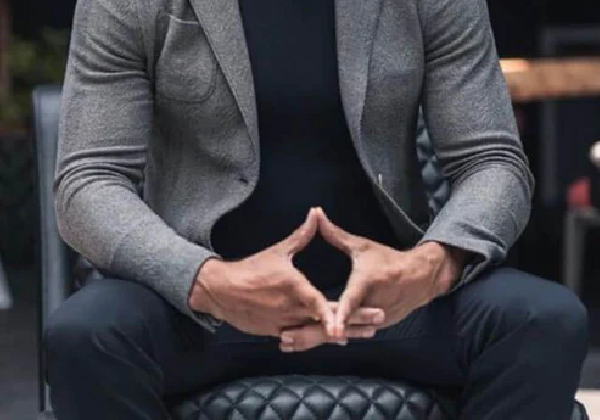
A proper Andrew Tate blazer reads immediately. It's structured in ways contemporary menswear often avoids. Shoulders that have actual architecture. A torso cut that respects the wearer's proportions without obsessing over slimness. Lapels with weight and presence.
The fabric matters intensely. You're not looking at thin, flimsy suiting. These are wools with heft. Textures that catch light differently depending on movement and angle. When you look at Andrew Tate outfit choices, the blazer anchors everything else because it's selected first. Everything else coordinates around it.
The Andrew Tate jacket philosophy extends into textures most menswear avoids. Python jackets in this aesthetic are bold moves. They're statement pieces that command visual attention. But here's the distinction: they're chosen deliberately, not desperately. A python jacket works when everything around it recedes visually.
Leather jackets in this collection maintain structure over distressing. You're not looking for aged, worn-in aesthetics. You're looking for leather that's well-maintained, with seaming that reads expensive, with proportions that flatter rather than overwhelm.
The Tristan Tate suit angle introduces variation while maintaining core philosophy. Sometimes the brother's choices are more experimental. Unexpected color combinations. Bolder textures. But the foundation remains the same: proportion first, novelty second.
The Viral Moment: When Fashion Critics Took Notice
Fashion criticism doesn't happen fast. But when it does happen, it's decisive. Sometime in 2024, pieces started appearing in actual fashion writing. Not as mockery. As legitimate analysis.
Style journalists began dissecting Andrew Tate outfit choices the way they'd discuss runway collections. What's the historical reference? What tailoring house influenced this choice? Why did this person select this specific shade of charcoal over black?
That kind of attention doesn't arrive by accident. It arrives when consistency becomes undeniable. When style feels like a genuine point of view rather than random luxury consumption.
The coverage accelerated when independent fashion commentators started connecting dots. This aesthetic rejects maximalism. It rejects trend-chasing. It respects tailoring traditions while expressing itself through contemporary confidence. Those are actual values worth discussing.
What surprised traditional fashion media was the depth of audience interest. Not casual curiosity. Deep engagement. People were studying how pieces worked together. They wanted to understand the underlying principles rather than just copying surface-level aesthetics.
The Andrew Tate Suit: Understanding Modern Tailoring
If the blazer is the anchor, the suit is the full statement. An Andrew Tate suit works because both pieces share construction philosophy.
The jacket and trousers exist in proportion. Not identical silhouettes, but complementary ones. The jacket creates structure through fit. The trousers complete the line without overwhelming or disappearing.
Tailoring defines this aesthetic entirely. Off-the-rack rarely works. You need adjustment. A sleeve length that hits exactly right. A trouser break that flows naturally into your shoe. These details sound minor until you understand how they accumulate into an overall impression of intentionality.
Fabric choice distinguishes an Andrew Tate suit from standard menswear. Natural fibers dominate. Wool that will age well over time. Linen for warm months. Silk for accents. Synthetics appear minimally because they don't move the same way on actual bodies.
The color palette is deliberately restrained. Charcoal, navy, black, grey. Sometimes cream or camel. This isn't about lacking imagination. It's about letting tailoring speak louder than color variation. When you have a genuinely well-tailored suit, neutral coloring becomes a strength rather than a limitation.
The Overlooked Appeal: Why This Resonates Right Now
Fashion trends usually arrive with marketing. This one arrived with quiet legitimacy.
People are exhausted. Exhausted by fast fashion cycles that encourage constant replacement. Exhausted by algorithms pushing novelty before quality. Exhausted by style advice that contradicts itself weekly.
The Andrew Tate outfit aesthetic offers something different: a point of view that doesn't require constant updates. A philosophy that improves with time rather than aging poorly. An approach to luxury that feels earned rather than performative.
This matters in 2026 because consumers are reconsidering what luxury actually means. It's not logos screaming for attention. It's not ironic fashion statements that read hollow on actual humans. It's coherence. It's understanding why you chose something beyond algorithmic validation.
Menswear specifically had been stuck. Oversized everything dominated. Irony replaced sincerity. Then suddenly, a wardrobe appeared that said clarity matters. Proportion matters. Material quality creates visible differences. That message hit different.
Materials That Define the Aesthetic
Here's what separates this trend from typical luxury consumption: material consciousness.
Wool Construction: These pieces use substantial weight. Not heavy to the point of discomfort, but weighty enough that fabric movement reads intentional. Lightweight wools feel insubstantial. Heavy wools feel considered.
Python Texture: This material choice appears intermittently but decisively. Python jackets in this aesthetic carry visual weight that photographs well and reads expensively. The texture itself becomes the story. You don't need color variation when python already delivers visual interest through pattern and sheen.
Shearling and Fur: A Tristan Tate coat incorporating shearling shows how luxury materials maintain structure even when textural. The lining isn't just practical. It's a design choice that creates depth and visual interest when revealed.
Leather Quality: Premium leather develops character over time. It softens. It patinas. It tells a story through use. That's the material philosophy here. You're buying pieces that improve with age, not ones that deteriorate the moment you wear them.
Color Restraint: The material story extends into color selection. Mostly neutrals. Occasionally burgundy or forest green. But the color palette serves materials rather than dominating. This keeps focus on fabric weight, texture, and construction detail.
How to Actually Wear This Aesthetic (Without Looking Costume-y)
The real test of a trend is whether regular humans can wear it without feeling like they're playing dress-up.
Start with basics. A white or cream shirt in quality cotton. Tailored trousers in charcoal or navy wool. Simple shoes in well-maintained leather. This foundation creates a neutral canvas.
Layer intelligently. A blazer becomes your statement moment. Not because it's ostentatious. Because it's genuinely well-made and proportioned correctly. That's the secret. The statement comes from confidence in your choices, not from quantity of embellishment.
For Andrew Tate jacket styling, choose one strong piece and keep everything else clean. A textured or colored jacket pairs with neutral basics. A neutral jacket pairs with simple confidence. Don't overthink layering combinations. Let single pieces carry the visual weight.
Proportion matters more than brand names. A perfectly fitted jacket from a lesser-known maker outperforms a famous label that needs tailoring. Understanding your own body measurements and how to communicate those to tailors matters more than chasing logos.
Color coordination follows the neutral priority. You're not building outfits around color pops. You're building around proportion and texture, with color as supporting element rather than protagonist.
The Oversized Question: Fitted vs. Relaxed in This Aesthetic
Fashion spends half its energy pushing oversized silhouettes, then the other half declaring them dead.
The Andrew Tate outfit trend decisively favors fitted proportions. Not tight. Not restrictive. Fitted. There's a specific silhouette logic here: your clothes should touch your body without fighting it.
This means shoulders sit correctly. Sleeves hit your wrists at the exact moment where your hand emerges from fabric. Torso follows your actual shape without clinging. Trousers break naturally at your shoe without excess fabric pooling.
Compare this to the oversized menswear trend. Oversizing creates distance between fabric and body. Sometimes that's intentional and reads well. Here, proximity creates intention. You're not drowning in fabric. You're wearing something chosen specifically because it looks correct on you.
Tristan Tate suit choices sometimes incorporate oversized elements, but always with proportion logic. An oversized jacket might pair with slim trousers, creating balance rather than complete relaxation. It's the difference between intentional silhouette design and defaulting to larger sizes.
The reason this distinction matters: clothes that fit your proportions automatically look more expensive. Not because the fabric is necessarily better, but because intentionality reads as luxury. Oversizing suggests indifference. Fitting suggests care.
Why Andrew Tate Outfits Are the Defining Trend of 2026
Fashion criticism spends enormous energy on runway collections that most humans will never wear. But real trend-setting happens when something normal people actually adopt begins to reshape expectations.
The Andrew Tate outfit aesthetic did exactly that. It created a reference point that doesn't require celebrity status to understand or access.
What makes 2026 different is cultural exhaustion. People are tired. Tired of trend cycles that demand constant consumption. Tired of style advice that contradicts itself. Tired of luxury feeling performative rather than genuine.
This aesthetic arrived with a different message: consistency is sophisticated. Patience with your wardrobe is luxurious. Understanding material quality matters. These ideas feel radical in 2026 because they contradict algorithmic pressure to constantly refresh.
Jacket Craze recognized this shift early. The platform positions itself as a space for understanding premium outerwear because that's exactly what this trend demands. Not fast fashion. Not trend chasing. Understanding pieces well enough to make intentional choices.
The trend won because it offered something fashion rarely provides: certainty. You understand why you're making these choices. You understand the principles. You can apply them to your own wardrobe without copying blindly.
Building Your Own Andrew Tate Style
The real value of this trend is how it teaches you to think about your own wardrobe.
Stop shopping by trend prediction. Start shopping by understanding your proportions. A perfectly fitted piece in neutral colors becomes your foundation. Build from there.
Invest in quality tailoring. This doesn't mean expensive brands exclusively. It means understanding how to adjust pieces so they work on your specific body. That service costs money, but it returns value exponentially.
Choose fabrics intentionally. Natural fibers matter. They move differently. They age with character. They're worth the investment because they improve with time rather than deteriorating.
Develop a color palette. Not a rigid rule, but a consistent direction. This trains your eye and makes choosing combinations naturally easier. When you know your palette, coordination happens almost automatically.
The Andrew Tate outfit aesthetic teaches one fundamental truth: fashion gets more interesting when you understand principles rather than chasing trends. That's available to anyone with patience and intention.
Final Thought: What This Trend Actually Means
Fashion trends usually mean nothing. They're marketing cycles designed to encourage consumption.
This one means something different. It proves that consistency still resonates. That quality still matters. That people understand the difference between genuine style and expensive noise.
The trend will eventually cool. Something else will capture attention. But the principles underlying this aesthetic won't disappear because they're based on actual values: proportion, material quality, intentional choice-making.
That's why Jacket Craze and similar platforms focusing on genuine piece quality and understanding resonated during this moment. Consumers weren't looking for trend alerts. They were looking for guidance on making choices that matter.
The Andrew Tate outfit phenomenon isn't really about one wardrobe. It's about a return to sense-making in fashion. Understanding why you wear what you wear. That shift in thinking is what actually changes how people dress.
FAQs
Q1: I don't have unlimited budget. Can I actually achieve this aesthetic affordably?
A: Absolutely. This aesthetic is about principles, not price points. Start with tailored basics in quality natural fibers from mid-range retailers. Invest in proper tailoring to adjust fit. One well-fitted blazer in charcoal wool matters more than five poorly fitting designer pieces. Secondary markets and vintage tailoring often yield remarkable pieces at reasonable prices. The Andrew Tate outfit concept works because it's about understanding what looks good on you, not about spending excessively.
Q2: How do I know if a piece fits correctly without professional tailoring?
A: Learn your measurements. Shoulder width, sleeve length, torso length, inseam. Once you know these, you can identify pieces that are close and need minimal adjustment. Try things on. Move around. A proper fit allows full arm movement without excess fabric. Your shirtsleeve should emerge from jacket sleeves precisely where your hand begins. Trousers should hit your shoe cleanly without puddling. These details matter more than brand names.
Q3: Aren't tailored, fitted clothes the opposite of comfortable?
A: No. There's a distinct difference between fitted and restrictive. Proper tailoring actually increases comfort because clothes move with your body instead of against it or away from it. You're not tight-wearing designer jeans. You're wearing pieces cut and adjusted to your proportions so they feel natural. The Andrew Tate outfit approach prioritizes wearability within sophisticated proportions. Comfort and style aren't competing values here.







Top comments (0)