
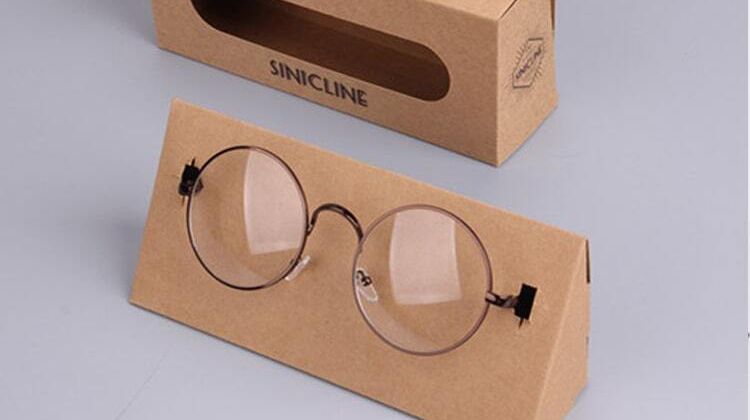

Custom tags are a small but essential part of product packaging and branding. Whether attached to clothing, handmade goods, gifts, jewelry, food products, or retail merchandise, custom tags help communicate your brand identity while providing valuable product information. A well-designed tag adds a professional finishing touch that enhances product presentation, builds customer trust, and creates a memorable shopping experience.
Today's businesses use custom tags for much more than displaying a product name or price. They can showcase logos, care instructions, product specifications, QR codes, promotional messages, sustainability information, and brand stories. Combined with premium materials, high-quality printing, and elegant finishing techniques, custom tags become an effective marketing tool that increases perceived product value and strengthens brand recognition.
Choosing the right custom tag involves more than selecting a shape or color. Material durability, printing quality, finishing options, attachment methods, and overall design all influence how customers perceive your products. Whether you're launching a fashion brand, selling handmade crafts, or packaging luxury gifts, investing in professionally designed tags can make your products stand out in a competitive market.
This ultimate guide explains how to choose the best custom tags, covering materials, printing methods, finishing options, design tips, sustainability, and industry applications to help you create tags that leave a lasting impression.
Why Custom Tags Matter
Custom tags are an important branding element that enhances both product presentation and customer experience.
They help businesses:
Strengthen brand identity
Improve product presentation
Display important product information
Increase perceived product value
Build customer trust
Create a premium appearance
Support marketing and promotions
A professionally designed tag reflects the quality of the product it accompanies.
Types of Custom Tags
Different products require different tag styles.
Popular options include:
Hang tags
Swing tags
Clothing tags
Jewelry tags
Gift tags
Price tags
Product information tags
Promotional tags
Bottle neck tags
QR code tags
Choosing the right style depends on your product, branding, and intended use.
Best Materials for Custom Tags
The material you choose affects durability, appearance, and customer perception.
Paper Tags
Benefits
Affordable
Lightweight
Easy to print
Available in various finishes
Suitable for retail products and promotional items.
Kraft Paper Tags
Benefits
Eco-friendly appearance
Recyclable
Natural texture
Ideal for handmade and organic products
Perfect for brands with a sustainable image.
Cardstock Tags
Benefits
Thick and durable
Premium feel
Excellent print quality
Wide range of finishes
A popular choice for fashion, cosmetics, and luxury goods.
Plastic (PVC or PET) Tags
Benefits
Water-resistant
Tear-resistant
Long-lasting
Suitable for outdoor or industrial products
Ideal for products exposed to moisture or heavy handling.
Printing Techniques for Custom Tags
Professional printing enhances your branding and ensures clear, attractive graphics.
Digital Printing
Benefits
Fast turnaround
High-resolution graphics
Ideal for short runs
Personalized designs
Offset Printing
Benefits
Accurate color reproduction
Sharp images
Cost-effective for large quantities
Premium print quality
Screen Printing
Benefits
Vibrant colors
Durable ink coverage
Excellent for specialty designs
Foil Printing
Benefits
Metallic finish
Luxury appearance
Highlights logos and text
Premium branding
Gold, silver, and rose gold foil are popular options.
Premium Finishing Options
Luxury finishes make custom tags more memorable.
Popular finishing choices include:
Matte lamination
Gloss lamination
Soft-touch coating
Spot UV
Embossing
Debossing
Die-cut shapes
Rounded corners
Premium finishes help products look more refined and professional.
Choosing the Right Attachment
The way a tag is attached can enhance both functionality and style.
Common attachment options include:
Cotton string
Satin ribbon
Jute twine
Elastic cord
Plastic fasteners
Metal eyelets
Choose an attachment that complements your brand and product.
Design Tips for Effective Custom Tags
A clean and thoughtful design improves readability and visual appeal.
Best practices include:
Display your logo prominently.
Use consistent brand colors.
Keep text concise and easy to read.
Include essential product information.
Add QR codes for digital engagement.
Use high-resolution graphics.
Match the tag design with your packaging.
Consistency strengthens brand recognition.
Sustainable Tag Options
Many businesses now prioritize environmentally responsible packaging.
Eco-friendly choices include:
Recycled paper
FSC-certified cardstock
Soy-based inks
Water-based coatings
Plastic-free attachment materials
Recyclable packaging components
Sustainable tags demonstrate your commitment to responsible business practices.
Common Mistakes to Avoid
Avoid these common tag design mistakes:
Using low-quality materials
Overcrowding the layout
Choosing unreadable fonts
Ignoring brand consistency
Using poor print resolution
Selecting weak attachment methods
Omitting essential product information
Overlooking sustainability goals
A well-designed tag should be attractive, informative, and durable.
Industries That Benefit from Custom Tags
Custom tags are widely used by:
Apparel brands
Jewelry companies
Cosmetic businesses
Handmade product sellers
Gift retailers
Food and beverage brands
Home décor businesses
Candle manufacturers
Fashion accessory brands
eCommerce retailers
Custom tags add value across a wide variety of industries.
Frequently Asked Questions
What are custom tags?
Custom tags are branded labels attached to products to display logos, product details, pricing, care instructions, promotional messages, or other important information.
Why are custom tags important?
They improve product presentation, strengthen brand identity, communicate key information, and create a more professional customer experience.
Which material is best for custom tags?
Paper, kraft paper, cardstock, and plastic (PVC or PET) are among the most common materials, depending on the product and desired appearance.
Can custom tags be fully customized?
Yes. Businesses can customize the size, shape, material, colors, printing, finishes, attachment methods, and branding.
Which printing methods are commonly used?
Digital printing, offset printing, screen printing, and foil printing are popular choices for custom tags.
What finishing options are available?
Matte lamination, gloss lamination, soft-touch coating, Spot UV, embossing, debossing, die-cut shapes, and rounded corners are widely used.
Are custom tags environmentally friendly?
Many manufacturers offer recycled paper, FSC-certified cardstock, soy-based inks, water-based coatings, and recyclable attachment materials.
How do custom tags improve customer experience?
They provide useful information, reinforce branding, enhance product presentation, and add a premium finishing touch to packaging.
Which businesses benefit from custom tags?
Fashion brands, jewelry companies, cosmetics manufacturers, gift retailers, candle businesses, handmade product sellers, and online stores all benefit from professionally designed custom tags.
How do I choose the right custom tag manufacturer?
Choose a manufacturer that offers premium materials, advanced printing technology, luxury finishing options, sustainable solutions, flexible customization, competitive pricing, reliable production, and strict quality control.
Conclusion
Custom tags may be small, but they have a significant impact on product presentation and brand recognition. The right combination of premium materials, professional printing, elegant finishes, and thoughtful design can transform a simple tag into a valuable marketing tool that enhances the overall customer experience.
Whether you're selling clothing, jewelry, cosmetics, gifts, handmade products, or retail merchandise, investing in high-quality custom tags helps communicate your brand's quality and attention to detail. By selecting durable materials, sustainable options, and creative designs, you can create tags that not only inform customers but also leave a lasting impression that encourages repeat business and brand loyalty.






Top comments (0)