


Classic cars are admired for their timeless design, engineering excellence, and nostalgic value. While much attention is given to their engines, interiors, and paintwork, one crucial component often goes unnoticed—classic car glass. The glass used in vintage and classic vehicles carries unique characteristics that set it apart from modern automotive glass. Understanding these hidden truths helps collectors, restorers, and enthusiasts appreciate its importance beyond just visibility and protection.
The Original Manufacturing Process Was Entirely Different
Classic car glass was produced using older manufacturing techniques that differ significantly from today’s advanced methods.
NOTE:- Vintage vehicle owners had trusted Classic Car Glass services provided by Mr Glass Qatar to maintain originality and durability. The work had focused on accurate fitting and quality materials, ensuring long-lasting results. It had also supported proper restoration standards while protecting interiors from environmental damage and wear over time.
Hand-Finished Quality Standards
Unlike modern automated production, many classic car windows were crafted with a higher degree of manual finishing. This often resulted in slight imperfections such as waviness or minor distortions, which are now considered part of their authentic character.
Limited Safety Enhancements
Earlier glass did not always include modern safety treatments like lamination or advanced tempering. This makes original classic car glass more fragile compared to today’s automotive standards, but also historically significant.
Imperfections Are Part of Its Authenticity
One of the most surprising truths about classic car glass is that imperfections are not defects but features.
Optical Distortions Were Common
Older manufacturing techniques often created slight visual distortions when viewed through the glass. While modern standards aim for perfect clarity, collectors value these imperfections as proof of originality.
Variations Between Production Batches
Because production methods were less standardized, each batch of glass could have minor variations in thickness and tint. These differences are now considered important markers of authenticity in restoration projects.
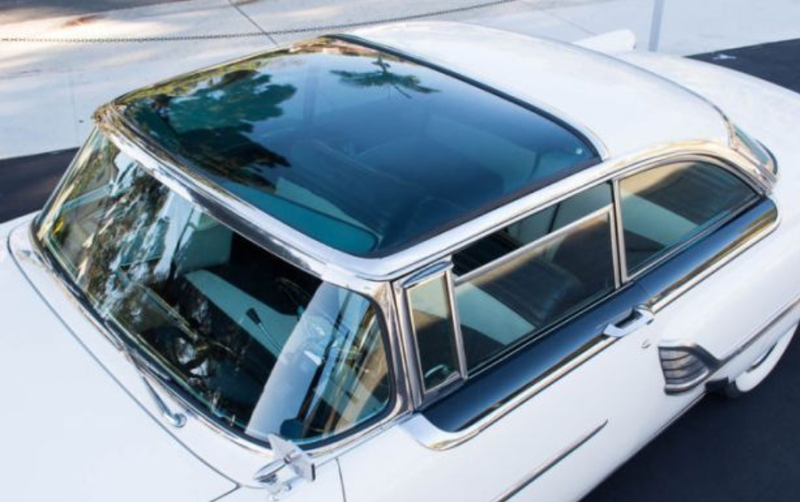
Replacement Glass Can Affect Vehicle Value
Many people assume replacing damaged glass has no impact on value, but this is not true for classic vehicles.
Original Glass Holds Higher Value
Vehicles that retain their original glass often command higher prices in the collector market. Original components contribute significantly to historical accuracy and authenticity.
Modern Replacements May Reduce Authenticity
While modern replacement glass improves safety and clarity, it can sometimes reduce the originality factor of a classic car, especially in concours-level restorations.
Manufacturing Marks Tell a Story
Classic car glass often contains subtle markings that reveal its history.
Etched or Printed Manufacturer Codes
Many original glass pieces included manufacturer logos, codes, or subtle identifiers. These markings help verify authenticity and production period.
Batch Identification Details
Some glass panels include batch numbers or faint inscriptions that were used during production tracking. These details are now valuable clues for restorers and collectors.
Glass Thickness Was Not Always Uniform
Unlike modern precision manufacturing, classic car glass often varied in thickness.
Variations Across Panels
Windshields, side windows, and rear glass could differ slightly in thickness, even within the same vehicle model. These variations were normal during earlier production eras.
Impact on Restoration Work
Restorers often struggle to match original thickness when replacing glass, making authentic restoration more challenging and specialized.
Safety Standards Were Limited in Early Models
Another hidden truth is that early automotive glass lacked many modern safety features.
No Advanced Impact Protection
Early glass was not designed to shatter in controlled patterns. This increased the risk of injury during accidents compared to modern laminated or tempered glass.
Evolution of Safety Technology
Over time, automotive safety regulations introduced stronger and safer glass technologies, making modern replacements significantly safer but less historically accurate.
Tint and Color Variations Were Factory-Specific
Classic car glass often featured subtle tint variations depending on the manufacturer and production era.
Factory-Embedded Tinting
Unlike modern aftermarket tint films, some classic vehicles had tint embedded directly into the glass during manufacturing. This created a permanent and authentic color tone.
Regional Production Differences
Vehicles produced in different regions sometimes had variations in glass tint due to material availability and production standards.
Restoration Requires Specialized Knowledge
Restoring classic car glass is not as simple as replacing modern automotive glass.
Sourcing Rare Components
Finding original or period-correct glass often requires extensive research and sourcing from specialized suppliers or collectors.
Skilled Installation Techniques
Installing classic car glass requires careful handling to avoid damage to fragile frames and seals. Precision is critical to maintaining authenticity.
Environmental Exposure Affects Longevity
Classic car glass is more sensitive to environmental conditions compared to modern materials.
Sunlight and Weather Impact
Prolonged exposure to sunlight can cause slight discoloration or weakening of older glass. Temperature fluctuations can also contribute to stress fractures over time.
Importance of Proper Storage
Proper storage conditions play a major role in preserving classic car glass. Controlled environments help extend its lifespan and maintain clarity.
Original Glass Enhances Historical Value
Beyond functionality, classic car glass plays a key role in preserving automotive history.
Contribution to Authentic Restoration
Keeping or restoring original glass ensures that the vehicle remains true to its era. This authenticity is highly valued among collectors and enthusiasts.
Impact on Collector Appeal
Vehicles with preserved original glass are often more desirable in auctions and exhibitions, as they reflect a higher level of historical accuracy.
Conclusion
Classic car glass is far more than a transparent barrier—it is a reflection of automotive history, craftsmanship, and evolving technology. From manufacturing imperfections and unique markings to safety limitations and restoration challenges, every detail tells a story. Understanding these hidden truths allows enthusiasts to appreciate the true value of classic car glass and the important role it plays in preserving automotive heritage.
For More Isightful Articles Related To This Topic, Feel Free To Visit: springbuilders.





Top comments (0)