
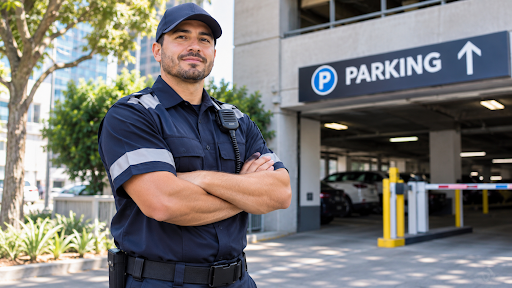

Security teams represent the first point of contact for residents, employees, visitors, and property managers across residential and commercial properties. A consistent dress policy helps establish authority, support quick identification, and maintain a professional appearance throughout the property. A well-planned private security uniform also helps distinguish security personnel from maintenance staff, reception teams, and other employees.
The right clothing standards depend on the property type, assigned responsibilities, and level of public interaction. Residential communities often prioritize approachability, while corporate offices and commercial buildings require a more formal appearance. Both environments need clear guidelines for garment selection, identification, fit, and ongoing care.
Why Are Consistent Security Uniform Standards Important for Property Teams?
Consistent clothing standards help residents, tenants, visitors, and employees recognize authorized security personnel without confusion.
Security officers regularly interact with people who need directions, access assistance, visitor verification, or help reporting a property concern. Their appearance communicates their role before they begin a conversation. When every officer follows the same dress policy, people can identify the security team more easily.
Consistency also matters for property management. A building may have several officers working different shifts, including supervisors, patrol staff, and lobby personnel. Without shared guidelines, differences in clothing can create an unorganized appearance.
A documented standard should address:
Appearance: Approved shirts, trousers, jackets, footwear, and outerwear.
Identification: Authorized badges, name tags, patches, and company identifiers.
Fit: Appropriate sizing that supports comfortable movement and a neat presentation.
Condition: Clean, pressed, and properly maintained garments.
Consistency: The same approved appearance across shifts and assigned locations.
For property managers, these expectations create a common reference point when onboarding new officers or reviewing existing team presentation. They also reduce disagreements about what employees should wear during regular duties.
What Uniform Standards Work Best for Residential Security Properties?
Residential security clothing should balance professional authority with a welcoming appearance that supports everyday interactions with residents.
Apartment communities, gated neighborhoods, condominium complexes, and residential developments have different access arrangements. However, their security personnel often perform similar duties, including visitor assistance, access monitoring, property patrols, and incident reporting.
A residential property benefits from a recognizable dress policy that makes officers easy to approach. A corporate-style shirt, coordinated trousers, and an appropriate outer layer can create a professional appearance without making everyday interactions feel unnecessarily formal.
Consider these clothing elements when developing residential security guidelines:
Shirts and polos: Select coordinated shirts that distinguish security personnel from maintenance and leasing employees. Establish approved colors and styles.
Trousers: Choose professional trousers that allow officers to move comfortably during property inspections and patrol duties.
Outerwear: Include coordinated jackets or sweaters for outdoor assignments and cooler conditions. The outer garment should retain visible security identification where required.
Footwear: Establish footwear expectations that support the officer's assigned responsibilities and property conditions.
Identification: Use approved name tags, company patches, and other authorized identifiers to make security personnel recognizable.
The appearance policy should also account for different assignments. A lobby officer who regularly greets residents may need a more formal presentation than an officer whose primary responsibility involves outdoor patrols.
For properties with several entrances, buildings, or residential sections, keeping the same visual identity across the security team helps residents recognize authorized personnel.
How Should Commercial Properties Approach Security Clothing Requirements?
Commercial properties need clothing standards that support professional presentation, clear identification, and the practical demands of different security assignments.
Office buildings, business parks, retail complexes, and mixed-use developments bring together employees, customers, contractors, and visitors. Security officers interact with all these groups while managing entry points, monitoring shared spaces, and supporting building operations.
A commercial property should establish its dress policy around the level of formality expected in the workplace and the responsibilities assigned to each position.
The objective is to create a recognizable security identity without confusing officers with police officers or other public authorities.
For example, a corporate lobby team may follow a formal dress standard, while a patrol team covering a large commercial campus may need clothing suited to more active duties.
Specialty Apparel provides professional clothing solutions for security teams, including corporate security, enforcement, and tactical apparel. Our security uniforms and apparel programs address the clothing and maintenance needs of customer-facing security operations.
A single commercial property may also have different requirements for its lobby, loading areas, parking facilities, and perimeter patrols. Documenting these distinctions helps managers maintain a coordinated appearance across assignments.
What Identification and Appearance Rules Should Security Managers Follow?
Security managers should establish clear identification rules that distinguish private security personnel from other workers and public law enforcement officers.
Identification is a central part of a security dress policy. A uniform should communicate the employee's actual role rather than create confusion about their authority.
In California, the Bureau of Security and Investigative Services (BSIS) publishes specific guidance on private security uniform requirements. Its guidance addresses badge and patch requirements, distinctive uniforms, and restrictions related to exposed firearms and batons.
According to the BSIS uniform FAQ:
Distinctive clothing: Security personnel must follow applicable requirements for a distinctive uniform.
Badge placement: Where the relevant badge requirements apply, an authorized badge must be worn on the upper left breast.
Badge authorization: Licensees must follow applicable badge approval requirements.
Equipment: Officers carrying an exposed firearm or baton must meet the applicable licensing, permit, and uniform requirements.
Requirements can differ according to the officer's employment arrangement and duties. Property managers and security companies should review the applicable rules rather than treating one dress policy as suitable for every position.
A useful internal policy should document approved clothing, identification placement, authorized insignia, and procedures for replacing damaged or outdated items.
How Can Property Managers Maintain Uniform Quality Across Security Shifts?
A consistent clothing management process helps property managers maintain presentation standards even when officers change shifts, join the team, or move between assignments.
Uniform management involves more than selecting garments during initial onboarding. Security teams need a process for sizing, garment care, repairs, replacements, and maintaining consistent clothing across the workforce.
Consider a property with several security officers covering day and night shifts. If each employee manages their own clothing without shared guidelines, differences in garment condition, fit, and appearance can become noticeable.
A structured clothing management approach addresses these issues.
Employee sizing: Maintain accurate sizing information so new employees receive garments that fit properly.
New-hire outfitting: Establish an onboarding process that introduces approved clothing and identification requirements before an employee begins their assigned duties.
Garment maintenance: Set expectations for professional cleaning, pressing, repairs, and alterations.
Replacement planning: Track worn or damaged clothing and arrange replacements to maintain the team's appearance.
Inventory oversight: Maintain records of assigned garments, sizes, and employee changes.
Professional garment care also matters for tailored security clothing. Dress shirts, blazers, trousers, and tactical outfits require appropriate cleaning and maintenance to retain their appearance.
Our broader property management apparel solutions support organizations that need a consistent clothing approach across customer-facing property teams.
For managers overseeing multiple buildings, centralized garment records and consistent standards make it easier to coordinate employees across locations.
What Should Managers Consider When Choosing Security Apparel?
Managers should evaluate garment style, fit, maintenance requirements, and the daily responsibilities of each security position before finalizing their clothing policy.
The right selection starts with understanding the work environment. A reception officer, an outdoor patrol officer, and a corporate security supervisor may have different clothing requirements even when they belong to the same department.
The following comparison provides a practical starting point:
Fit deserves particular attention. Clothing that is too loose, too tight, or poorly altered can affect an officer's comfort and overall presentation. Consistent sizing also helps maintain a coordinated appearance when several employees work in the same area.
Specialty Apparel offers premium dry cleaning, repairs and alterations, pickup and delivery, and uniform programs built around each customer's team and image. These services help organizations manage the presentation and ongoing care of professional garments.
Managers should also separate appearance requirements from equipment and safety requirements. Garment selection must reflect the actual responsibilities of each position and comply with applicable workplace policies.
What Are the Most Common Questions About Security Uniform Standards?
Property managers and security supervisors often have questions about clothing, identification, and ongoing garment management.
What should private security officers wear in residential communities?
Residential security officers generally need coordinated, professional clothing that makes their role recognizable to residents and visitors. Approved shirts, trousers, suitable outerwear, and authorized identification help create a consistent appearance. Property managers should establish written guidelines that reflect assigned duties and applicable local requirements.
Should commercial security officers wear formal clothing?
Commercial security clothing should reflect the property's image and the responsibilities of the assigned position. Corporate lobby officers may wear dress shirts and tailored trousers, while patrol officers may need more practical clothing. A shared appearance policy keeps the entire team recognizable.
Are security uniform requirements the same across California?
No. Requirements depend on the officer's employment arrangement, licensing status, equipment, and duties. California BSIS publishes guidance covering distinctive uniforms, badge placement, and other requirements. Security employers should review the applicable state rules and local policies before approving clothing standards.
How often should security clothing be replaced?
Replacement frequency depends on garment condition, wear, and the requirements of the clothing program. Managers should inspect garments regularly and arrange repairs or replacements when clothing becomes damaged, poorly fitted, or unsuitable for professional use.
Why is professional garment care important for security teams?
Professional garment care helps maintain the appearance and condition of shirts, trousers, blazers, and other workwear. Regular cleaning, pressing, repairs, and alterations also help managers maintain consistent presentation across employees and shifts.
How Can You Establish a Consistent Private Security Uniform Standard?
A clear clothing policy gives residential and commercial property managers a practical foundation for maintaining a professional security team. Start by documenting approved garments, identification requirements, sizing expectations, and garment maintenance responsibilities.
The next step is to align those standards with the property's image and the daily work of its security personnel. A coordinated private security uniform policy helps maintain recognition and consistency across buildings, shifts, and assignments.
Specialty Apparel supports California security organizations with premium apparel programs and professional garment care tailored to their teams.
Ready to create a consistent security team appearance? Contact us for a custom quote.







Top comments (0)