

Introduction
Debridement procedures are among the most frequently performed treatments in wound care management. Whether addressing diabetic foot ulcers, pressure injuries, venous leg ulcers, or traumatic wounds, debridement plays a critical role in removing necrotic tissue, reducing infection risk, and promoting healthy tissue regeneration. While the clinical importance of debridement is well established, the administrative and financial aspects surrounding these procedures are equally significant.
Healthcare providers must ensure that every debridement procedure is supported by precise clinical documentation, accurate coding, and clear justification of medical necessity. Insurance payers, including Medicare and commercial insurers, closely evaluate documentation when determining whether claims for wound care services meet coverage criteria. Inadequate documentation can result in claim denials, delayed payments, or even compliance audits.
In this environment, documentation standards directly influence reimbursement outcomes. Detailed wound assessments, procedure descriptions, treatment rationales, and measurable patient progress must be clearly recorded in the medical record. These elements help translate clinical care into valid billing claims that align with payer policies.
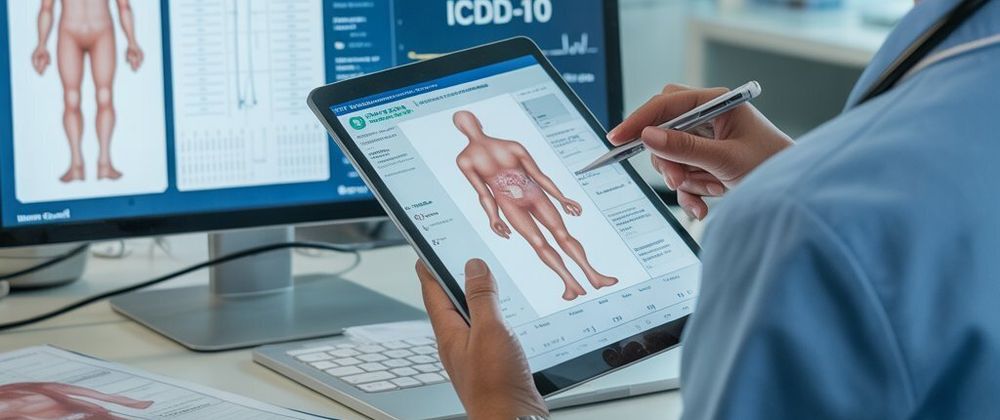
Many healthcare organizations rely on specialized wound care billing services to ensure documentation aligns with coding guidelines and reimbursement policies. By reviewing records, validating CPT and ICD-10 codes, and ensuring compliance with payer requirements, billing specialists help providers maintain financial stability while focusing on patient care.
This article explores how documentation standards influence reimbursement for debridement procedures. It highlights key documentation elements, common errors that lead to claim denials, and practical strategies healthcare providers can implement to strengthen compliance and improve financial outcomes.
The Clinical Importance of Debridement in Wound Care
Debridement is a fundamental intervention in advanced wound management. It involves the removal of necrotic tissue, debris, and contaminated material from the wound bed. By eliminating barriers to healing, debridement stimulates granulation tissue formation and improves the effectiveness of other therapies.
Common types of debridement include:
- Sharp or surgical debridement
- Mechanical debridement
- Autolytic debridement
- Enzymatic debridement
- Biological debridement Each technique has different clinical indications and documentation requirements. For reimbursement purposes, clinicians must clearly identify the type of debridement performed, the depth of tissue removal, and the clinical justification for the procedure.
Without detailed documentation, coders cannot accurately assign procedure codes, which may lead to billing errors and claim denials.
Why Documentation Matters for Reimbursement
Healthcare reimbursement systems rely heavily on clinical documentation to determine whether services provided meet payer coverage criteria. Documentation serves multiple functions:
- Supports medical necessity
- Guides accurate coding
- Provides legal and compliance protection
- Communicates the complexity of care delivered
For debridement procedures, insurers expect documentation to demonstrate that the treatment was necessary to promote wound healing and prevent complications.
Incomplete documentation can create the impression that a procedure was unnecessary or incorrectly coded, even if the treatment was clinically appropriate.
Key Documentation Elements for Debridement Procedures
To ensure reimbursement approval, clinicians must include specific elements in their documentation.
1. Detailed Wound Assessment
A comprehensive wound assessment establishes the baseline condition of the wound and justifies the need for debridement. Documentation should include:
- Wound etiology (diabetic, venous, pressure, traumatic)
- Location of the wound
- Length, width, and depth measurements
- Tissue type (granulation, necrotic, slough)
- Signs of infection or inflammation
- Drainage characteristics
Accurate assessment allows coders to align diagnosis codes with procedure codes, which strengthens the claim’s validity.
2. Type of Debridement Performed
Documentation must clearly identify the type of debridement performed. Different procedures correspond to different CPT codes depending on:
- Depth of tissue removal
- Size of wound treated
- Method used
Providers should specify whether the procedure involved the removal of:
- Nonviable epidermis
- Dermis
- Subcutaneous tissue
- Muscle or bone
This level of specificity ensures the correct procedure code is applied.
3. Procedure Details
Detailed procedure notes are essential for claim approval. The documentation should include:
- Instruments used during debridement
- Depth of tissue removal
- Surface area treated
- Patient tolerance and response to the procedure
- Hemostasis management, if applicable
Thorough documentation reduces ambiguity and supports accurate billing.
4. Medical Necessity Justification
Payers require evidence that debridement was medically necessary to promote wound healing. Clinicians should explain:
- Why was conservative treatment alone insufficient
- How necrotic tissue was impeding healing
- How the procedure improves wound outcomes
Without a clear medical necessity statement, insurers may deny claims even when procedures were clinically justified.
- Ongoing Treatment Progress
Chronic wounds often require multiple debridement sessions. Providers must document wound progress between visits, including:
- Changes in wound size or depth
- Reduction in necrotic tissue
- Signs of infection resolution
- Response to treatment interventions
Tracking progress confirms that repeated procedures are clinically justified.
Common Documentation Errors Leading to Claim Denials
Even experienced clinicians may encounter documentation errors that affect reimbursement. Some of the most common issues include:
Incomplete Wound Measurements
Failing to document wound size and depth prevents coders from determining the correct CPT code.
Lack of Medical Necessity
If the documentation does not explain why debridement was required, insurers may question the procedure’s necessity.
Missing Procedure Details
Vague procedure descriptions make it difficult to validate the treatment performed.
Coding and Documentation Mismatch
When diagnosis codes do not support procedure codes, claims may be denied.
Aligning Documentation With Coding Standards
Accurate documentation must align with CPT and ICD-10 coding standards. These coding systems translate clinical information into standardized billing language.
CPT Coding for Debridement
CPT codes for debridement are typically based on:
- Tissue depth removed
- Total wound surface area treated
Proper documentation allows coders to determine the correct code based on clinical details.
ICD-10 Coding for Wound Diagnoses
Diagnosis codes identify the underlying condition causing the wound. These may include:
- Diabetic ulcer codes
- Pressure injury codes
- Venous ulcer codes
- Surgical wound complications
When documentation supports both diagnosis and procedure codes, claims are more likely to be approved.
The Role of Technology in Improving Documentation
Healthcare technology plays a significant role in improving documentation quality and reducing billing errors.
Electronic Health Records (EHR)
EHR systems provide structured templates for wound assessment and treatment documentation.
Benefits include:
- Standardized clinical documentation
- Automated prompts for missing information
- Integration with coding systems
Clinical Decision Support Tools
These tools guide providers through documentation requirements, ensuring all necessary information is captured.
Data Analytics
Analytics platforms help identify documentation gaps, denial trends, and reimbursement inefficiencies.
Staff Training and Compliance Education
Training clinicians and administrative staff is essential for maintaining documentation quality. Education programs should focus on:
- Documentation standards for wound care procedures
- CPT and ICD-10 coding updates
- Medical necessity requirements
- Payer policy changes
Regular training sessions help reduce errors and improve claim approval rates.
Benefits of Documentation Audits
Internal documentation audits help identify weaknesses in clinical records before claims are submitted.
Audits allow organizations to:
- Detect missing documentation elements
- Identify coding discrepancies
- Strengthen compliance practices
- Reduce claim denial rates
Regular audits also prepare clinics for external regulatory reviews.
The Support Role of Billing Specialists
Specialized wound care billing services play an important role in supporting healthcare providers. Billing professionals review documentation, verify code accuracy, and ensure claims meet payer requirements.
Their responsibilities may include:
- Pre-submission documentation reviews
- Coding validation
- Claim submission and tracking
- Denial management and appeals
By addressing potential issues early, billing specialists help improve reimbursement efficiency and reduce administrative burden.
Building a Culture of Documentation Excellence
Improving documentation standards requires a collaborative effort across clinical and administrative teams. Clinics should develop a culture that prioritizes:
- Accurate and detailed clinical records
- Ongoing staff education
- Clear communication between clinicians and coders
- Continuous quality improvement
When documentation becomes a routine part of clinical workflow rather than an afterthought, reimbursement outcomes improve significantly.
Conclusion
Documentation standards play a crucial role in determining reimbursement outcomes for debridement procedures. Accurate wound assessments, detailed procedure notes, medical necessity justifications, and ongoing treatment documentation provide the foundation for successful claims processing.
When documentation aligns with coding guidelines and payer policies, healthcare providers can reduce claim denials, improve reimbursement timelines, and strengthen compliance with regulatory requirements.
Advanced technology, staff training, internal audits, and collaboration between clinicians and administrative teams all contribute to stronger documentation practices. Support from professional wound care billing services further enhances claim accuracy and ensures that the complexity of wound care treatment is properly represented in billing submissions.
Ultimately, strong documentation standards benefit both patients and healthcare organizations. By clearly capturing the clinical story of each wound treatment encounter, providers not only improve reimbursement outcomes but also support high-quality patient care and long-term operational sustainability.





Top comments (0)