

A Small Habit With a Big Impact
Most people don’t realize how much posture affects their daily comfort. From the moment you wake up to the time you go to bed, your body is constantly adjusting to how you sit, stand, and move. When alignment is off, it can slowly lead to stiffness and discomfort. Focusing on correct posture is one of the simplest ways to support your body and feel better throughout the day.
Understanding What Correct Posture Means
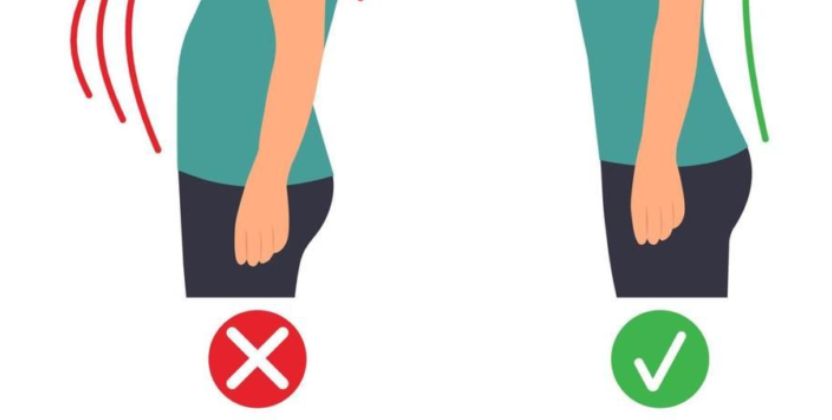
Correct posture is about keeping your body aligned in a natural and relaxed way. Your head, shoulders, and hips should stay in line, allowing your spine to maintain its natural curve. It’s not about forcing yourself to sit rigidly. Instead, it’s about finding a balanced position where your body feels supported and at ease.
Why Posture Problems Are So Common Today
Modern lifestyles make it easy to fall into poor posture habits. Long hours at desks, constant use of smartphones, and limited physical movement all contribute to misalignment. Over time, these habits can cause muscles to tighten and weaken in ways that affect how your body holds itself. This is why many people struggle to maintain correct posture without even realizing it.
Early Signs Your Posture Needs Attention
Your body often gives subtle hints when posture is not right. You may notice tightness in your neck, soreness in your back, or fatigue after sitting for long periods. These signs may seem minor at first, but they can grow if ignored. Recognizing these early signals can help you take steps toward correct posture before discomfort becomes more serious.
How Correct Posture Supports Everyday Comfort
When your body is properly aligned, everyday movements become easier. Sitting feels more relaxed, standing requires less effort, and walking feels more natural. Your muscles don’t have to work as hard, which can reduce fatigue and improve your overall energy levels. Over time, correct posture can make a noticeable difference in how you feel each day.
The Impact of Sitting on Your Body
Sitting for long periods is one of the biggest challenges for maintaining good posture. Slouching or leaning forward places strain on your spine and surrounding muscles. To support correct posture while sitting, keep your back straight, shoulders relaxed, and feet flat on the floor. Taking regular breaks to stand or stretch can help reduce stiffness.
Standing With Proper Alignment
Standing posture is just as important as sitting posture. Many people unknowingly shift their weight unevenly or lock their knees, which can lead to discomfort. To maintain correct posture while standing, keep your weight evenly balanced, your shoulders relaxed, and your head aligned with your spine. These small adjustments can improve your comfort significantly.
The Role of Muscle Strength in Posture
Strong muscles play a key role in supporting correct posture. Your core, back, and shoulders help keep your body aligned. When these muscles are weak, it becomes harder to maintain good posture. Simple exercises like planks, bridges, and light resistance training can help strengthen these areas and improve your posture over time.
Stretching to Release Tension
Tight muscles can pull your body out of alignment, making it difficult to maintain correct posture. Stretching helps loosen these muscles and restore balance. Focus on areas that tend to get tight, such as the chest, shoulders, and hips. Regular stretching can make it easier for your body to stay aligned naturally.
How Technology Affects Posture
Devices like smartphones and computers often encourage poor posture habits. Looking down at a screen for long periods puts strain on your neck and upper back. To support correct posture, try to keep your screen at eye level and avoid bending your neck forward. Taking short breaks from screens can also help reduce tension.
Building Awareness in Daily Life
Improving posture starts with being aware of how you hold your body. Check in with yourself throughout the day and notice if you’re slouching or tensing your shoulders. Making small adjustments regularly can help train your body to maintain correct posture more naturally over time.
Creating Simple Daily Habits
You don’t need a complicated routine to improve your posture. Simple habits like stretching in the morning, staying active, and sitting properly can make a big difference. These small actions, when done consistently, help your body adapt and support correct posture in a natural way.
Long-Term Benefits of Maintaining Correct Posture
Over time, maintaining correct posture can lead to lasting improvements in your physical well-being. You may experience less pain, better balance, and smoother movement. Good posture can also boost your confidence, as standing tall often makes you feel more self-assured.
Overcoming Challenges in Changing Posture
Changing posture habits can take time, especially if poor habits have developed over years. It’s normal to forget or feel uncomfortable at first. The key is to stay patient and keep making small improvements. Setting reminders or adjusting your environment can help you stay consistent with correct posture.
Conclusion: A Simple Step Toward a Healthier Body
Correct posture is not about perfection but about making mindful choices that support your body. By staying aware, strengthening your muscles, and building simple habits, you can improve how you sit, stand, and move. Over time, these small changes can lead to greater comfort, better balance, and a healthier way of living.





Top comments (0)