
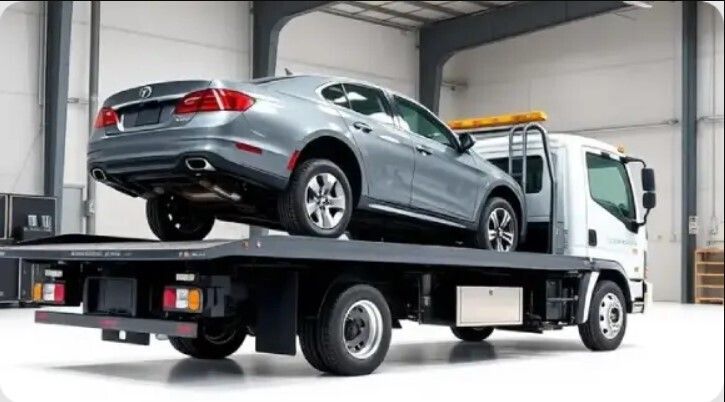

Every end-of-life vehicle left abandoned in a driveway or field represents a significant ecological liability waiting to unfold. A standard passenger car contains a complex assembly of heavy metals, highly toxic fluids, and non-biodegradable plastics that require careful, systematic processing. When a car sits dormant for years, the rubber seals and metal gaskets that contain these substances begin to inevitably degrade under the pressure of changing weather conditions. This degradation leads to a slow, persistent leakage of materials that were never meant to interact with natural soil or local water tables. Understanding the precise chemical impact of these degrading vehicles highlights the absolute necessity of proper, professional disposal methods.
The fluid capacities of an average car are surprisingly large and highly toxic. A typical vehicle holds several litres of synthetic motor oil, corrosive battery acid, anti-freeze coolant, and hydraulic brake fluid. If a rusted oil pan finally gives way, a single litre of motor oil can contaminate one million litres of fresh groundwater, rendering it completely unsafe for local wildlife and human consumption. Anti-freeze, characterised by its sweet smell, is notoriously attractive to domestic pets and local wildlife but is acutely lethal when ingested even in small quantities. Containing and extracting these fluids in a controlled industrial environment is the only way to prevent widespread ecological damage.
Choosing an environmentally responsible Scrap Car Removal Montreal provider ensures that these hazardous materials never reach the local ecosystem. A professional recycling facility employs strict depollution protocols before any crushing or dismantling takes place on the yard. Technicians use specialised vacuum extraction systems to safely drain all lingering fluids from the engine block, radiator, and brake lines. These extracted chemicals are then securely stored in double-walled industrial containers before being shipped to specialised chemical treatment plants for safe neutralisation. This rigorous approach completely eliminates the risk of ground contamination that occurs when cars are left to rot naturally.
The heavy metals present in an ageing vehicle pose another significant threat to environmental health. Lead-acid batteries, if left exposed to rain and fluctuating temperatures, will eventually crack and spill their contents into the earth. The lead from these batteries does not break down; it accumulates heavily in the soil, poisoning plant life and slowly entering the local food chain. Mercury, often found in older vehicle switches and lighting systems, is another highly dangerous neurotoxin that requires expert handling and isolation. Professional recyclers systematically identify and remove these specific components, ensuring they are processed according to strict environmental safety regulations.
Once the hazardous materials are successfully removed, the true resource recovery phase begins in earnest. A standard vehicle is composed of roughly seventy-five percent recoverable metal, primarily high-grade steel and aluminium. Mining virgin iron ore to produce new steel requires immense amounts of energy, water, and destructive earth-moving operations. By melting down the existing chassis and body panels of an old car, the manufacturing industry saves massive amounts of energy and reduces greenhouse gas emissions significantly. Recycling steel uses just a fraction of the energy required to produce new metal from raw ore, making it a highly efficient industrial practice.
The plastics and synthetic rubbers used in automotive manufacturing present a unique recycling challenge due to their complex chemical structures. Older vehicles feature dashboards, bumpers, and interior trims made from dense polymers that take centuries to break down in a standard landfill. Modern recycling facilities use advanced shredding and sorting technologies to separate these plastics from the metal fragments. Once isolated, these polymers are melted down and reformed into new industrial products, such as heavy-duty outdoor furniture, construction materials, and even new automotive components. This prevents millions of tonnes of synthetic waste from permanently choking local refuse sites.
Tyre disposal is arguably one of the most critical aspects of automotive recycling. Stockpiled tyres collect stagnant rainwater, creating perfect breeding grounds for mosquitoes and other disease-carrying insects. If a pile of discarded tyres catches fire, it burns for weeks, releasing thick, highly toxic black smoke into the atmosphere and leaving behind a hazardous oily residue. Regulated recycling centres shred these old tyres into fine rubber crumb. This valuable material is then repurposed into athletic running tracks, playground safety flooring, and highly durable road surfacing materials, entirely solving the disposal problem.
The cumulative effect of recycling thousands of end-of-life vehicles annually is staggering in its positive environmental impact. By preventing toxic leaks, reducing the need for destructive mining, and keeping non-biodegradable plastics out of landfills, the auto recycling industry serves as a massive buffer against ecological degradation. It transforms a highly toxic liability into a rich source of raw manufacturing materials. This circular approach to resource management is exactly what modern industrial societies require to maintain a balanced relationship with the natural environment.
Taking personal responsibility for an old vehicle means recognising its potential to cause prolonged environmental harm. It is highly irresponsible to allow a machine filled with toxic chemicals to slowly dissolve into the earth on your property. By making the simple decision to contact a professional recycling service, you actively participate in a massive, highly efficient industrial recovery network. You protect your local soil, conserve global resources, and ensure that the hazardous components of your vehicle are managed with the utmost care and professional expertise.
Conclusion
The environmental argument for proper vehicle disposal is entirely undeniable and supported by decades of industrial data. Every car processed correctly prevents a significant volume of highly toxic waste from poisoning our natural surroundings. Taking action to safely recycle your old vehicle is a profound contribution to the health of your local ecosystem and the broader global push for sustainable resource management. It is a simple, highly effective way to prevent long-term ecological damage in your own community.
Call to Action
Ensure your old vehicle is recycled safely and responsibly by booking a professional collection with our dedicated team today.







Top comments (0)