

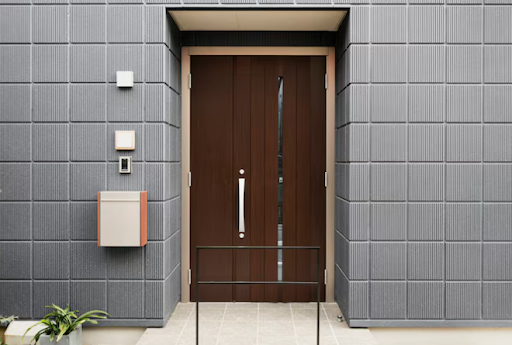
The entrance of a building plays an important role in defining both appearance and functionality. A well-designed entry door is not only a visual feature but also contributes to security, insulation, durability, and overall comfort. As architectural styles continue to evolve, homeowners and builders are increasingly focusing on modern entry doors that combine clean designs with advanced performance features.
Unlike traditional doors that often focus mainly on appearance, contemporary door designs consider multiple factors, including energy efficiency, weather resistance, material strength, and ease of maintenance. Choosing the right door requires understanding available options and how different materials perform in various conditions.
Key Features That Define Modern Entry Doors
The design of modern entry doors is generally recognized by simple lines, minimal detailing, and a balance between aesthetics and practicality. Many contemporary styles incorporate large glass panels, smooth surfaces, neutral finishes, and innovative hardware to create a sophisticated entrance.
However, appearance is only one aspect of a quality entry door. A properly designed door should also provide:
Strong structural performance
Protection against weather conditions
Improved thermal insulation
Enhanced security features
Long-term durability
Modern designs often use advanced manufacturing techniques to improve performance while maintaining attractive visual appeal. Materials such as fiberglass, steel, aluminum, and engineered wood are commonly used because they offer different advantages depending on the application.
Choosing the Right Material for Modern Entry Doors
Material selection is one of the most important decisions when installing modern entry doors. Each material has unique characteristics that affect maintenance requirements, appearance, and performance.
Steel doors are known for their strength and durability. They are often selected for areas where security and resistance to harsh conditions are priorities. Many steel options include insulated cores that help improve energy performance.
Fiberglass doors are another popular choice because they provide durability with relatively low maintenance. They can be designed to replicate the appearance of natural wood while offering better resistance to moisture and temperature changes.
Wood remains a preferred option for those seeking a natural appearance. However, wooden doors generally require more maintenance to protect against moisture, warping, and surface damage over time.
Aluminum and composite materials are also used in contemporary door designs because they offer lightweight construction, design flexibility, and resistance to environmental factors.
Energy Efficiency and Security Considerations
A major reason for the growing demand for modern entry doors is their ability to improve building efficiency. Doors with insulated cores, quality weather seals, and efficient glazing systems can help reduce unwanted air movement and maintain indoor temperatures.
Energy efficiency depends on several components, including the door material, frame construction, sealing system, and glass selection. Features such as insulated panels and low-emissivity glass can contribute to improved thermal performance.
Security is another essential factor. Strong door construction, durable frames, reliable locking mechanisms, and quality installation all contribute to a safer entrance. A visually appealing door should also provide dependable protection for occupants and property.
Design Trends in Modern Entry Doors
Current architectural trends emphasize entrances that create a strong connection between indoor and outdoor spaces. Many modern entry doors feature wider openings, glass elements, and minimalist finishes that allow more natural light while maintaining privacy.
Popular design approaches include:
Sleek single-panel doors
Oversized entrance systems
Combination of metal and glass elements
Neutral colors with bold accent finishes
Simple geometric patterns
These designs allow doors to complement different architectural styles, from contemporary homes to commercial buildings.
Understanding the Role of Quality Supply and Installation
Finding reliable sources for doors is an important part of any construction or renovation project. A professional front door supply process involves selecting suitable products, verifying measurements, and ensuring that the chosen door meets performance expectations.
Proper installation is equally important because even a high-quality door may perform poorly if it is incorrectly fitted. Issues such as air leakage, alignment problems, and reduced security can occur when installation standards are not followed.
Conclusion
Selecting the right entrance solution requires careful consideration of style, material, energy performance, security, and maintenance needs. Modern entry doors have become an important architectural element because they combine contemporary appearance with practical benefits that support long-term building performance. The right choice of TWD Supplies can help achieve a balanced entrance design that supports both aesthetics and functionality. Whether choosing steel, fiberglass, wood, or composite options, understanding the differences between materials helps make a more informed decision. A reliable front door supply approach ensures that the selected product matches the needs of the project while maintaining quality and durability.







Top comments (0)