

Buying an espresso coffee machine is often a balance between budget and expectations. Whether you are a home coffee enthusiast or a business owner, the decision goes far beyond price tags. It is about understanding how performance influences quality, consistency, and long-term value. With a wide range of machines available from basic entry-level options to advanced commercial systems, choosing the right one requires careful evaluation.
A well-informed decision ensures that you are not overpaying for unnecessary features or underinvesting in critical performance capabilities. This guide explores how price and performance are connected and what you should truly look for before making your purchase.
**
Understanding Price vs Performance
**
What Performance Really Means
Performance in an espresso machine is defined by how consistently it delivers high-quality coffee. This includes maintaining the right temperature, applying stable pressure, and producing uniform extraction with every shot. Even small variations in these factors can significantly impact taste and aroma.
Machines with better performance tend to offer more precise control over brewing conditions. This leads to improved consistency, which is especially important in commercial settings where every cup must meet the same standard.
Why Prices Differ So Widely
The wide price range of espresso machines is influenced by several factors. Higher-priced models typically include better materials, advanced technology, and enhanced durability. They are designed to handle more frequent use and deliver consistent results over time.
Lower-priced machines, on the other hand, focus on basic functionality. While they may be sufficient for occasional use, they often lack the stability and reliability needed for demanding environments.
**
Entry-Level Machines: Affordable Starting Point
**
What to Expect
Entry-level machines are ideal for beginners or those with minimal usage needs. They are generally compact, easy to operate, and budget-friendly. These machines can produce decent espresso, making them a good introduction to coffee brewing.
However, their simplicity often comes with limitations. Temperature fluctuations and inconsistent pressure can affect the quality of the coffee. Over time, these small inconsistencies become more noticeable, especially for users who develop a more refined taste.
Limitations in Performance
While entry-level machines are accessible, they may not be suitable for long-term or heavy use. Their components are often less durable, and they may struggle to maintain performance under continuous operation. For casual users, this may not be a concern, but for business purposes, it can become a significant drawback.
**
Mid-Range Machines: Balanced Investment
**
A Step Up in Quality
Mid-range machines offer a noticeable improvement in both performance and durability. They are designed for users who want better control over their coffee without investing in high-end equipment. These machines often include features that enhance consistency, such as improved heating systems and more stable pressure control.
For small cafés or serious home users, this category provides a strong balance between cost and functionality. The investment is higher than entry-level models, but the improvement in coffee quality and reliability makes it worthwhile.
Why They Offer Better Value
At this level, the additional cost directly contributes to better performance. Users can expect more consistent extraction, improved build quality, and greater ease of use. This makes mid-range machines a practical choice for those who want reliable results without overspending.
**
High-End Machines: Premium Performance
**
Designed for Professionals
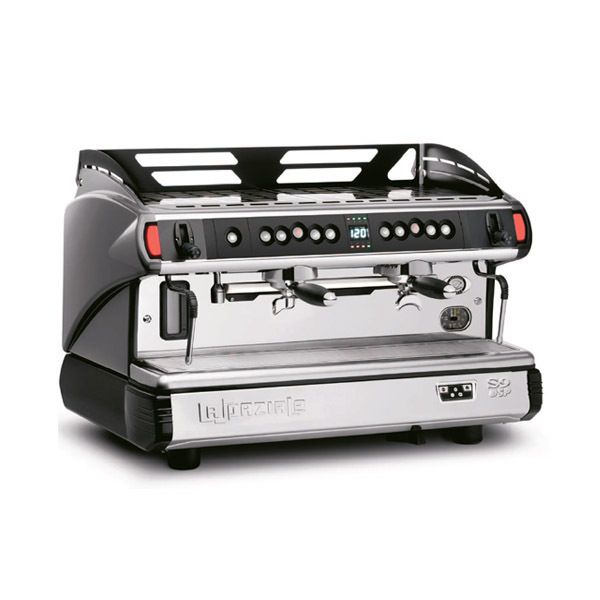
High-end espresso machines are built for commercial environments where performance cannot be compromised. These machines are engineered to handle high volumes while maintaining consistent quality. Advanced features such as dual boiler systems and precise temperature control ensure optimal brewing conditions at all times.
The build quality of these machines is also superior, with durable materials that can withstand continuous use. This makes them a long-term investment for businesses that rely heavily on coffee production.
Evaluating the Cost
While the initial cost of high-end machines is significant, their performance and durability often justify the expense. They reduce downtime, improve efficiency, and deliver a consistently high-quality product, all of which contribute to better customer satisfaction and profitability.
**
Automation and Its Impact on Price
**
Manual vs Automatic Systems
The level of automation plays a major role in determining both price and usability. Manual machines offer greater control over the brewing process, allowing experienced users to fine-tune every detail. However, they require skill and practice.
Automatic systems simplify the process by handling key functions such as water flow and shot timing. This makes them easier to use and more consistent, particularly in busy environments where speed and efficiency are important.
Convenience vs Control
Automation adds convenience but also increases cost. The choice between manual and automated systems depends on your priorities. If you value precision and hands-on control, a manual or semi-automatic machine may be suitable. If consistency and ease of use are more important, an automated system is a better option.
**
Key Factors That Define Value
**
Build Quality and Longevity
A well-built machine not only performs better but also lasts longer. High-quality materials such as stainless steel improve durability and reduce maintenance needs. Investing in a robust machine can save money over time by minimizing repairs and replacements.
Temperature and Pressure Stability
Consistency in temperature and pressure is essential for producing high-quality espresso. Machines with advanced control systems ensure stable brewing conditions, resulting in better flavor and aroma.
Capacity and Efficiency
For commercial users, capacity is a critical factor. Machines with higher output capabilities can handle peak hours more effectively, improving workflow and customer satisfaction. Even for home users, faster heating and recovery times can enhance the overall experience.
**
Hidden Costs to Consider
**
Maintenance and Repairs
The initial price of a machine is only part of the total cost. Maintenance and repair expenses can add up over time, especially for lower-quality machines. Choosing a reliable model with good support can help reduce these costs.
Energy Consumption
Energy efficiency is another important consideration. Machines that consume less power can lower operating costs, particularly in commercial settings where they run for extended periods.
Training and Usability
Complex machines may require trained operators, which can increase operational costs. Simpler machines are easier to use but may offer fewer customization options. Finding the right balance is essential.
**
Choosing the Right Machine for Your Needs
**
Home Users
For home use, the focus should be on simplicity and ease of operation. A mid-range machine often provides the best balance, offering good performance without unnecessary complexity.
Small Businesses
Small cafés and restaurants benefit from machines that combine reliability with moderate capacity. Mid-range or entry-level commercial machines are usually sufficient for these environments.
High-Volume Operations
For large-scale operations, investing in a high-end machine is essential. The ability to maintain performance under heavy demand ensures smooth operations and consistent quality.
**
Common Mistakes to Avoid
**
One common mistake is focusing solely on price without considering performance. While a cheaper machine may seem appealing, it can lead to higher long-term costs due to maintenance and inconsistent results. Another mistake is overinvesting in features that are not necessary for your specific needs.
Understanding your requirements and evaluating machines based on both cost and functionality can help you avoid these pitfalls.
**
Final Thought
**
Choosing between price and performance is not about finding the cheapest or most expensive option, it is about selecting the right balance for your needs. A good espresso machine should deliver consistent quality, reliable performance, and long-term value.
By carefully considering factors such as build quality, capacity, and ease of use, you can make a decision that aligns with your goals. Whether you are brewing at home or running a business, the right machine can significantly enhance your coffee experience.
If you are exploring advanced options, considering an automatic coffee machine can be a smart move, as it offers a blend of convenience and consistent performance, making it suitable for both beginners and professionals.







Top comments (0)