
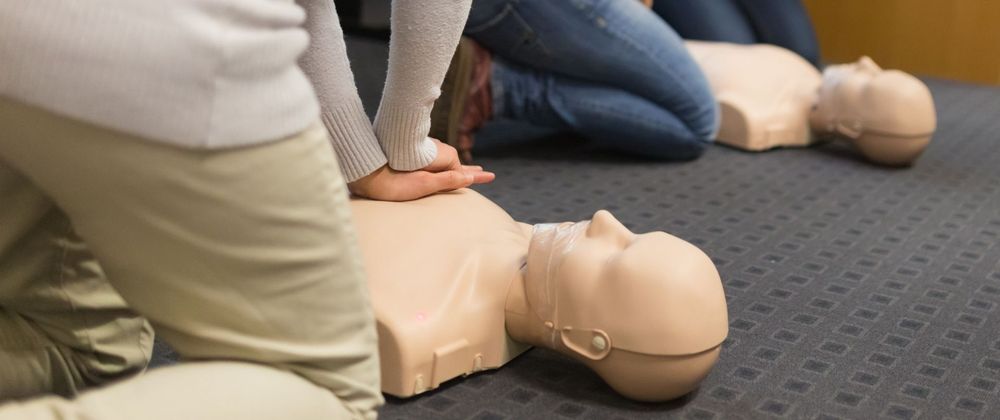

Every business has its own working environment, and every working environment comes with different safety considerations. An office employee may face a very different situation from a warehouse worker, restaurant employee, healthcare professional, or maintenance technician. This makes a general approach to workplace preparedness less effective than one that considers actual employee responsibilities.
For organizations evaluating first aid training, industry and workplace conditions should be important considerations. UniFirst First Aid + Safety offers first aid, CPR, safety training, and related solutions that businesses can explore when building an emergency preparedness program.
Training does not replace professional medical care, workplace safety procedures, or emergency services. Instead, it can provide employees with practical knowledge that supports appropriate initial action while professional help is being contacted or arranged.
1. Offices Need Emergency Preparedness Too
Office environments may appear relatively low risk compared with industrial workplaces, but medical emergencies can still occur. Employees may experience falls, sudden medical conditions, or other unexpected situations. Office managers should consider emergency communication, accessible safety resources, employee awareness, and appropriate training as part of workplace preparedness.
2. Manufacturing Facilities Have Complex Work Environments
Manufacturing employees may work around machinery, materials, tools, and production processes. Businesses should evaluate the risks associated with specific work areas and determine how employee training can complement existing safety procedures. Training can provide an additional layer of preparedness for situations that may occur despite preventive measures.
3. Warehouses Need Practical Safety Planning
Warehouse employees may spend their shifts moving materials, operating equipment, lifting items, and working around storage systems. These environments require careful attention to hazard prevention. First aid education can complement these efforts by preparing appropriate employees to respond according to established emergency procedures when an incident occurs.
4. Restaurants Face Their Own Workplace Risks
Restaurant employees work around kitchens, food preparation areas, hot surfaces, sharp equipment, and busy customer environments. Managers should consider these conditions when reviewing workplace safety plans.
Appropriate training can help employees understand how to respond to emergencies while following established company procedures and seeking professional assistance when necessary.
5. Construction Businesses Need Strong Preparedness
Construction sites can involve multiple hazards and changing work conditions. Employees may work around equipment, tools, materials, elevated areas, and outdoor environments. Businesses should ensure that safety planning reflects the specific conditions of each project and that employees understand relevant emergency procedures.
6. Healthcare Organizations Have Specialized Requirements
Healthcare organizations already operate within environments where medical knowledge is central, but workplace safety training can still play an important role. Different employees may have different responsibilities and training requirements.
Organizations should evaluate the needs of their workforce and ensure that safety education complements existing clinical and emergency procedures.
7. Hospitality Businesses Need to Consider Guests
Hotels, resorts, restaurants, and other hospitality businesses have responsibilities involving both employees and guests. A medical emergency involving a guest can happen at any time.
Staff awareness and appropriate emergency procedures can help employees respond in an organized manner while professional medical assistance is being contacted.
8. Property Management Teams Need Broad Awareness
Property management employees may work in offices, residential buildings, commercial properties, parking areas, and maintenance spaces. Their environments can change throughout the day.
Businesses should therefore consider how emergency procedures apply across different locations and responsibilities.
9. Transportation Businesses Need Prepared Employees
Drivers, warehouse employees, dispatchers, and other transportation workers may work in different locations. Some employees may spend much of their day away from the main facility.
Businesses should consider how emergency communication and training requirements apply to mobile employees and different operating environments.
10. Facility Service Employees Often Work at Customer Locations
Maintenance and facility service workers may enter customer properties throughout the day. They can encounter unfamiliar environments and varying workplace conditions.
Businesses should provide employees with appropriate safety information and emergency procedures that reflect the realities of field-based work.
11. Training Should Reflect Actual Employee Responsibilities
Not every employee needs identical safety knowledge. Businesses should evaluate job responsibilities and determine which employees require specific training. This helps organizations make training more relevant while supporting broader emergency preparedness.
12. Training Can Support Consistent Emergency Procedures
A company may have multiple locations and departments. Without consistent procedures, employees may respond differently to similar situations. Structured training can help organizations communicate common emergency response principles while allowing procedures to reflect local workplace conditions.
13. New Locations May Require Safety Reviews
When businesses open new facilities, safety requirements can change. The new location may have different equipment, layouts, employee responsibilities, or operating schedules. Safety managers should review emergency procedures and training needs when significant workplace changes occur.
14. Employee Turnover Can Create Training Gaps
Businesses often focus on training existing employees while overlooking new hires. When trained employees leave, the organization may lose part of its emergency response capability. Regular reviews can help identify gaps created by employee turnover and determine when additional training is needed.
15. Different Shifts Need Appropriate Coverage
A business may operate around the clock. If trained employees are available only during daytime hours, there may be a preparedness gap during evenings or overnight shifts. Managers should review operating schedules when planning employee safety education.
16. Training Should Work Alongside Emergency Plans
Training is most useful when employees understand how it connects to the organization's emergency plan. Employees should know how to request professional assistance, notify management, communicate the location of an incident, and follow established workplace procedures.
17. Businesses Should Review Emergency Equipment
Training and equipment should work together. Businesses can review first aid resources, emergency communication systems, AED availability where appropriate, signage, and other safety resources according to their workplace requirements. Employees should know where relevant resources are located.
18. How Different Industries Can Approach Training
- Assess the workplace: Identify common hazards and emergencies associated with the environment.
- Review employee roles: Determine which positions may require specific safety training.
- Consider operating hours: Make sure training coverage reflects shifts and locations.
- Review customer exposure: Consider whether visitors or customers regularly enter the workplace.
- Update procedures: Adjust emergency plans when facilities, equipment, staffing, or work processes change.
- Maintain training records: Keep appropriate documentation of employee participation.
19. Industry Awareness Can Improve Safety Planning
The same safety plan cannot always be applied identically to every workplace. A manufacturing facility may need different procedures from an office, while a hotel may need to account for guests. Understanding industry-specific conditions allows businesses to develop more relevant emergency preparedness strategies.
20. Training Should Encourage Responsible Action
The purpose of workplace first aid education is not to encourage employees to take risks or act beyond their training. Employees should understand the importance of personal safety, emergency communication, and contacting qualified professional assistance. Training should help employees understand what appropriate action looks like within the limits of their role and education.
21. Preparedness Can Support Business Confidence
Business owners cannot predict when an emergency will happen. They can, however, decide how prepared their employees will be if something unexpected occurs. Investing in appropriate training can demonstrate that the organization takes workplace safety seriously.
22. Safety Planning Should Be Reviewed Regularly
Workplaces change. Employees leave and join. Equipment changes. Facilities expand. Processes are updated. Safety programs should evolve with these changes so that emergency procedures and employee training remain relevant.
Conclusion
Different industries face different workplace conditions, which means safety education should be considered in the context of actual employee responsibilities. Offices, manufacturing facilities, warehouses, restaurants, healthcare organizations, hotels, transportation companies, property management businesses, and facility service providers all have unique considerations.
Appropriate first aid training can become an important component of a broader workplace safety strategy. UniFirst First Aid + Safety provides training and safety solutions that businesses can explore when preparing employees for potential emergency situations.
If your business wants to review its employee training needs and strengthen workplace preparedness, contact UniFirst First Aid + Safety to explore suitable training options.
FAQs
Q. Should first aid training vary by industry?
Ans. Training needs can vary according to workplace hazards, employee responsibilities, operating conditions, and organizational requirements.
Q. Do office employees need emergency training?
Ans. Office environments can still experience medical emergencies, so businesses should evaluate their risks and determine appropriate preparedness measures.
Q. Why should businesses consider shift coverage?
Ans. Organizations operating across multiple shifts should consider whether appropriately trained employees are available throughout operating hours.
Q. How can employee turnover affect safety preparedness?
Ans. When trained employees leave, a business may have fewer people available with relevant knowledge. Regular reviews can identify and address these gaps.
Q. Should safety plans change when a company opens a new location?
Ans. New locations can introduce different hazards, layouts, equipment, and employee responsibilities, so businesses should review emergency procedures and training needs.







Top comments (0)