
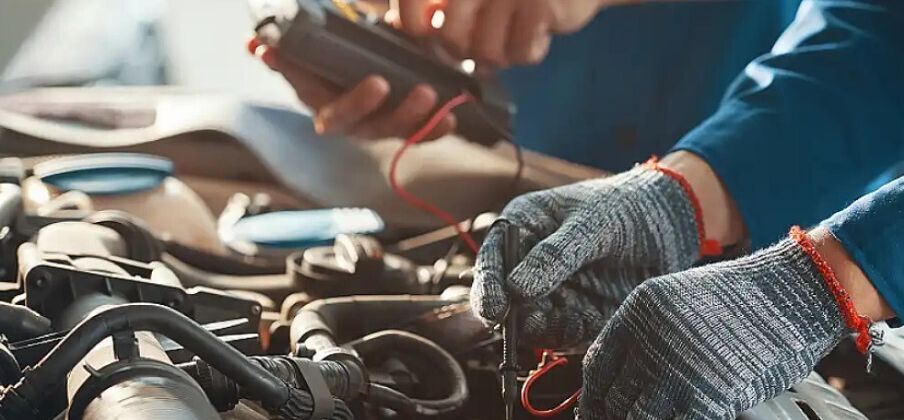

For the modern vehicle owner and the aspiring automotive technician, understanding the complexities of the Evaporative Emissions Control (EVAP) system is essential. The EVAP system plays a critical role in environmental protection by capturing fuel vapors that would otherwise escape into the atmosphere from the fuel tank. Central to this system is the purge valve, a component that regulates the flow of these vapors into the engine to be burned during combustion. When this valve fails, it can disrupt the delicate air-fuel mixture, leading to a variety of drivability issues. Recognizing these symptoms early can save a vehicle owner from expensive repairs and ensure that the vehicle remains compliant with emissions standards.
Persistent Check Engine Light and Fault Codes
The most common indicator that your EVAP purge valve is malfunctioning is the illumination of the check engine light (CEL) on your dashboard. Modern engine control units (ECUs) are incredibly sensitive to deviations in the emissions control system. When the purge valve sticks in an open or closed position, the ECU immediately detects an imbalance in the fuel-trim parameters, often resulting in specific diagnostic trouble codes (DTCs) such as P0446, P0496, or P0442. While many drivers might be tempted to ignore this light, it is a critical warning that your vehicle's emissions control is compromised. A professional technician does not simply clear the code; they use a scan tool to monitor live data and perform functional tests on the valve itself. Learning to interpret these digital signals and apply them to physical diagnostics is a primary outcome of structured training, such as a car mechanic course, which teaches you how to bridge the gap between computer diagnostics and mechanical repair.
Rough Idling and Engine Performance Issues
A failing purge valve, particularly one that is stuck open, can introduce an uncontrolled amount of fuel vapor into the engine's intake manifold. This extra vapor alters the air-fuel ratio, causing the engine to run "rich." As a result, the driver may notice a rough, uneven idle, or even an engine that stumbles when stopped at a traffic light. In more severe cases, the engine may struggle to maintain a consistent RPM, leading to poor fuel economy and potentially causing damage to other components, such as the catalytic converter or oxygen sensors. Because these symptoms can also point to issues with spark plugs, vacuum leaks, or dirty fuel injectors, accurate diagnosis is vital. A skilled mechanic performs a systematic elimination process to isolate the purge valve as the culprit. Mastering this methodical approach to engine diagnostics is a key benefit of participating in a car mechanic course, where you learn the industry-standard procedures for identifying performance-based faults.
Difficulties Refueling and Vacuum Leaks
Another classic symptom of a malfunctioning EVAP system involves trouble at the gas pump. If the purge valve is stuck in the wrong position or if the charcoal canister is blocked, air pressure can build up inside the fuel tank. This pressure prevents the fuel nozzle from operating correctly, causing it to click off prematurely or repeatedly during refueling. This is not just an inconvenience; it is a clear sign that the ventilation portion of your EVAP system is compromised. Additionally, a failed purge valve can introduce a vacuum leak into the engine’s intake system, leading to poor throttle response or even an engine that hesitates under load. Understanding how the vacuum systems interact with the fuel delivery system is a complex but necessary part of automotive repair. If you are serious about understanding how these intricate systems work together, a car mechanic course offers the technical depth required to troubleshoot even the most challenging fuel system faults effectively.
The Long-Term Impact on Engine Health
Ignoring a failing EVAP purge valve is a false economy. While the vehicle may continue to run, the long-term impact on your engine's internal health can be significant. By running an engine with an improper air-fuel mixture, you increase the risk of carbon buildup on valves and pistons, which can eventually lead to decreased power output and costly internal repairs. Furthermore, a non-functional EVAP system means your vehicle will fail its mandatory emissions inspection, rendering it illegal to drive in many jurisdictions. Professional diagnostic work is an investment in your vehicle's longevity. By staying informed and addressing these components before they fail completely, you maintain your vehicle’s performance and environmental efficiency.







Top comments (0)