

The hour after a workout is when your body starts rebuilding. Muscles are repairing, energy stores are refilling, and fluids need replacing. What you reach for during that window can shape how you feel the next day, but the best choice depends on what you are training for.
Match Your Recovery to Your Goal
A long run or cycling session drains your energy stores, so carbohydrates deserve top billing. Think banana with peanut butter, rice with chicken, or a bowl of oatmeal with fruit. Strength training leans more heavily on protein, since your muscles use it to repair and grow. Most people do well with a meal or snack that includes roughly 20 to 30 grams of protein soon after training.
If weight loss is your focus, keep the portion modest and build around protein, vegetables, and a small serving of smart carbs. If you are trying to gain muscle, you may need a larger snack and more total calories across the day.
Fluids matter for everyone. Water works for most workouts, and a pinch of salt or an electrolyte drink can help after long or sweaty sessions. Power your fitness journey with premium whey protein powder. Visit this website to discover the perfect protein supplement today!
Whole Foods First, Powders as Backup
Real food is a great place to start. Eggs, Greek yogurt, tuna, tofu, lentils, and lean meats all deliver quality protein along with other nutrients. Still, life gets busy, and a shake can be a lifesaver when you are heading straight from the gym to a meeting.
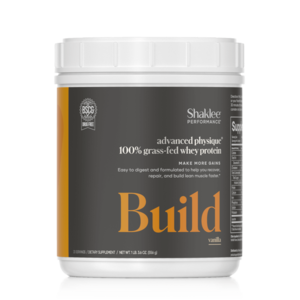
Many athletes like whey protein powder because it mixes easily, tastes good, and digests quickly. If you are dairy-free or lactose intolerant, pea, soy, and rice blends are worth exploring. Whether you choose whey protein powder or a plant-based option, read the label closely. Look for short ingredient lists, limited added sugar, and third-party testing from groups like NSF or Informed Choice.
Don't Skip Rest
No supplement can replace sleep. Seven to nine hours a night gives your body the downtime it needs to adapt to training. Gentle stretching, a short walk on rest days, and regular meals all support the process too.
If you have kidney concerns, a medical condition, or take medication, check with your doctor or a registered dietitian before adding supplements. Start simple, notice how your body responds, and adjust from there.
Author Resource:-
Alastair Brown writes about healthier lifestyle products and tips. She advises people about online weight loss programs, natural and organic health solutions. You can find her thoughts at immunity supplements blog.






Top comments (0)