
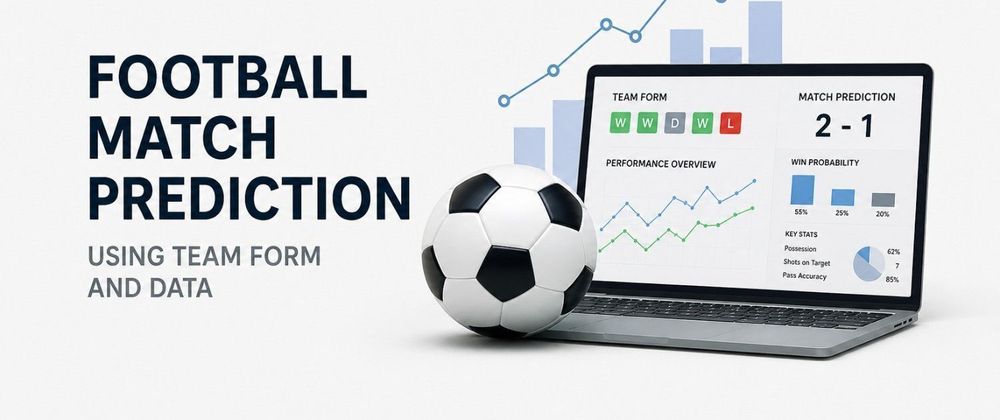

Predicting outcomes in football has always lived somewhere between science and stubborn optimism—and we’ve all leaned too heavily on the latter at times. In this space, football match prediction becomes less about gut feeling and more about structured thinking. We often find that patterns hide in plain sight (until they don’t), and understanding team form alongside reliable datasets helps reduce the chaos—though never quite eliminates it.
Understanding Team Form (More Than Just Recent Results)
Form is often simplified to wins, losses, and draws—but that barely scratches the surface. We prefer to look deeper (because surface-level stats tend to mislead). Performance trends, opponent strength, and match context all matter. A team winning against weaker sides may appear dominant, yet struggle when pressure increases.
And here’s the twist—we’ve seen teams in dreadful form suddenly produce brilliance (usually right when predictions feel safest). That unpredictability keeps analysis honest.
The Role of Data in Modern Predictions
Data has reshaped how we interpret matches (and occasionally how we overthink them). From expected goals (xG) to possession efficiency, these metrics offer clarity beyond traditional stats.
Using data-driven predictions allows patterns to emerge—patterns that are invisible during live matches. However, numbers without context can be deceptive. A high xG doesn’t always translate to goals, just as dominance doesn’t guarantee results. Balance, as always, is the real game.
Blending Form and Data for Better Insights
This is where things get interesting. Team form tells the story; data explains the plot. When combined, they create a more reliable framework for analysis.
We tend to approach matches by aligning recent performances with underlying metrics—looking for consistency (or glaring contradictions). When both agree, confidence increases. When they don’t, caution becomes the smarter play.
A Familiar Observation (Because It Happens Too Often)
There was a match where everything aligned—strong form, superior stats, favorable conditions (the kind analysts quietly celebrate). And yet, within minutes, a defensive lapse flipped the narrative entirely.
Moments like these remind us that predictions are guides, not guarantees—and perhaps that’s why we keep returning to them (with slightly adjusted expectations each time).
Practical Football Matches Tips for Better Predictions
Consistency beats occasional brilliance in analysis (even if it’s less exciting).
- Focus on trends rather than isolated results
- Compare team performance against similar opponents
- Avoid over-relying on a single metric
- Stay cautious when data and form conflict
These football matches tips may sound simple—but applying them consistently is where most challenges arise.
Common Mistakes to Avoid
Even structured approaches can go off track (usually when confidence creeps in).
- Ignoring contextual factors like injuries or fatigue
- Overvaluing recent wins without deeper analysis
- Treating data as definitive rather than indicative
We’ve all fallen into these traps—it’s practically part of the process.
Conclusion
Football prediction sits in that peculiar space between logic and unpredictability—and perhaps it’s better that way. By combining team form with data insights, we improve our chances of understanding the game (even if we never fully control it).
And that’s the quiet appeal, really—we analyze, we adapt, and occasionally, we get it spectacularly right (just enough to keep going).
FAQs
What is the most important factor in football match prediction?
Team form and contextual analysis are key, supported by relevant data insights.Are data-driven predictions always accurate?
No—data improves accuracy but cannot eliminate unpredictability in football.How often should form be analyzed?
Recent matches (5–10 games) usually provide a reliable snapshot of current performance.Can beginners use data for predictions?
Yes—starting with basic metrics like goals scored and conceded is a good entry point.Why do predictions sometimes fail despite strong analysis?
Football includes random and uncontrollable elements that no model can fully predict.





Top comments (0)