
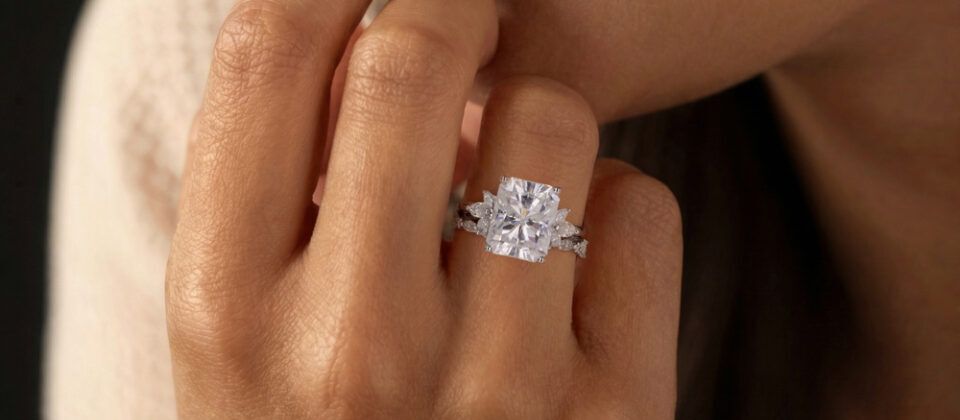

Diamond shopping in Kuala Lumpur has changed quickly. Buyers now compare mined stones with laboratory-created options that offer the same familiar sparkle, hardness, and crystal structure without coming from the earth.
For shoppers researching lab grown diamonds KL, the main challenge is no longer finding options. It is knowing how to compare quality, documentation, price, and setting choices without getting distracted by oversized carat claims or vague sales language.
Why Lab-Grown Diamonds Appeal to KL Shoppers
Laboratory-grown diamonds are real diamonds, not diamond simulants such as cubic zirconia or moissanite. They are produced in controlled environments using processes that recreate the conditions needed for diamond crystal growth. Two widely used methods are CVD, or chemical vapor deposition, and HPHT, or high pressure high temperature.
That distinction matters because many buyers still assume man made diamonds are imitation stones. In reality, gemological laboratories can identify their origin, while the finished stones share the core physical and optical properties associated with diamond.
For Kuala Lumpur shoppers, the appeal often comes down to budget flexibility. A buyer may be able to choose a larger center stone, a higher color grade, or a more detailed setting while staying within the same spending range.
The 4Cs Still Matter
A laboratory origin does not remove the need to assess cut, color, clarity, and carat weight. In many cases, cut deserves the most attention because it strongly affects brightness, fire, and the way a stone looks in normal lighting.
Color becomes more noticeable as diamonds get larger, especially in white metal settings. Clarity is also worth checking, but chasing an extremely high clarity grade may add cost without creating a visible difference to the naked eye.
Carat weight should be considered alongside measurements. Two diamonds with the same carat weight can face up differently depending on their proportions and cut.
Certification Should Be Part of the Purchase
A grading report gives buyers an independent reference for a diamond's characteristics. Organizations such as IGI grade laboratory-grown diamonds using familiar quality factors, while reports may also include information about growth method or treatments.
When comparing lab grown diamonds KL, ask for the report number before committing to a stone. Check that the grading details match the diamond being sold, and confirm whether the report can be verified through the laboratory's official database.
Laser inscriptions can also help identify a graded stone. These tiny markings are placed on the girdle and can connect the diamond to its report, depending on the laboratory and service used.
Price Should Be Judged Beyond Carat Size
Lab-grown diamonds often cost less than comparable mined diamonds, but that does not mean every stone is good value. A low price can reflect weaker cut quality, less desirable proportions, fluorescence concerns, or a setting built with lower-cost materials.
Compare complete specifications rather than price per carat alone. For example, a well-cut 1.5-carat stone may look more attractive than a poorly proportioned 2-carat option.
It also helps to separate the diamond price from the setting price. Gold purity, platinum, side stones, craftsmanship, and customization can significantly change the final amount.
Settings Matter in Kuala Lumpur's Climate
Jewelry worn frequently in Malaysia faces heat, humidity, daily commuting, handwashing, and contact with cosmetics or cleaning products. That makes practical design choices important.
A low-profile setting may suit someone who works with their hands, while a halo can add visual size without requiring a larger center stone. Six-prong settings offer added security for round stones, while bezel settings provide strong edge protection and a modern look.
Regular cleaning also matters. Oil, lotion, and soap residue can reduce brilliance even when the diamond itself is undamaged.
Think About Long-Term Expectations
Buyers should decide what they want the ring or jewelry piece to represent. If the priority is appearance, size, and design flexibility, laboratory-grown diamonds can offer strong value. If resale value or rarity is a major concern, the comparison becomes more complex.
Prices for laboratory-created stones can change as production improves and supply expands. That is why the purchase should be based primarily on enjoyment, quality, and suitability rather than assumptions about future appreciation.
For anyone comparing lab grown diamonds KL, a careful purchase starts with a good report, balanced 4C grades, and a setting that fits daily life. The best choice is not simply the biggest stone available. It is the one that looks right, wears well, and matches the buyer's priorities. For many shoppers, man made diamonds make that balance easier to reach without compromising the look of fine jewelry.







Top comments (0)