

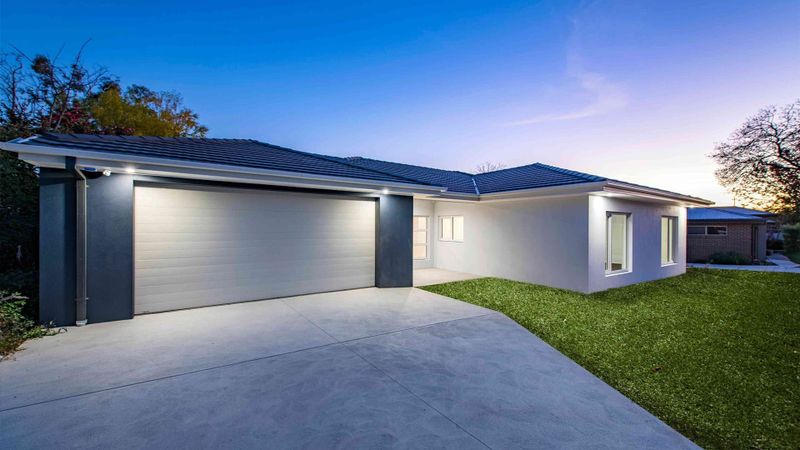
There comes a time when many homeowners find themselves at crossroads. You love your location, enjoy the convenience of your neighbourhood and have built strong connections within your community, but your home no longer suits your lifestyle.
Perhaps your family has grown, your floor plan feels outdated, or ongoing repairs are becoming more expensive than they're worth. In these situations, moving isn't always the best answer. For many Australians, a knockdown rebuild offers the opportunity to create a brand-new home without leaving the area they love. A knockdown rebuild allows you to demolish your existing house and build a new one on the same block.
Why Homeowners Are Choosing Knockdown Rebuilds
Across Australia, knockdown rebuild projects continue to grow in popularity, particularly in established suburbs where land is limited and property values continue to rise.
Rather than purchasing a new property or undertaking extensive renovations, many homeowners are choosing to start fresh on their existing block.
Some of the key benefits include:
- Staying in a location you already love
- Avoiding the cost of buying a new property
- Creating a home that suits your lifestyle
- Improving energy efficiency and sustainability
- Maximising the value of your land
- Enjoying modern design and functionality
For many families, a knockdown rebuild provides greater flexibility and value than renovating an older home.
Step 1: Understanding Your Block
Before designs are finalised or demolition begins, it's important to assess the suitability of your block, including:
- Block size and dimensions
- Site orientation
- Land slope
- Soil conditions
- Easements and restrictions
- Existing services and utilities
- Access for construction
Understanding these details early can help avoid unexpected challenges later in the project.
A thorough assessment also provides valuable insights into how to maximise the potential of your land and achieve the best possible outcome.
Step 2: Navigating Planning and Approvals
Every knockdown rebuild project must comply with local planning and building requirements. Depending on your location, there may be specific regulations relating to:
- Building height
- Setbacks
- Streetscape requirements
- Heritage controls
- Tree preservation
- Environmental overlays
- Bushfire or flood considerations
Experienced builders often assist homeowners with planning applications and council requirements, helping simplify what can otherwise be a complex process.
Research Before You Commit
Before moving ahead with a knockdown rebuild, it is worth taking the time to research your area and property thoroughly.
Questions to consider include:
- Is your property affected by heritage restrictions?
- Are there any easements on the block?
- Does the site have access limitations?
- Are there local planning requirements that may affect your design?
- Will neighbouring properties influence your building plans? Having a clear understanding of these factors from the beginning can save both time and money later in the project. Step 3: Designing Your New Home One of the most exciting stages of a knockdown rebuild is designing a home that reflects your lifestyle and future needs. Many homeowners choose to include features such as: Open-plan living spaces Larger kitchens and butler's pantries Dedicated home offices Extra bedrooms Outdoor entertaining areas Smart home technology Energy-efficient solutions Increased storage A well-designed home not only improves everyday living but can also add more value to your property.
It's also worth considering how your needs may change in the future. Designing with flexibility in mind can help your home continue to serve your family for years to come.
Step 4: Preparing for Demolition
Once approvals are in place and plans have been finalised, demolition can begin.
Before work starts, several important tasks need to be completed, including:
Disconnecting utilities
Installing site fencing
Organising permits
Conducting safety assessments
Identifying hazardous materials
If asbestos is present within the property, specialised removal procedures may be required before demolition proceeds.
Professional demolition contractors manage these responsibilities while ensuring the site remains safe and compliant throughout the process.
Depending on the size and complexity of the project, demolition may take anywhere from several days to a few weeks.
Step 5: Clearing and Preparing the Site
After demolition, the site must be cleared and prepared for construction.
This stage often includes:
Removing debris and waste materials
Levelling the site
Excavation work
Soil preparation
Establishing site access
Many demolition materials can also be recycled or repurposed, helping reduce waste and support more sustainable building practices.
A properly prepared site creates the foundation for a successful build.
Step 6: Building Your New Home
Once site preparation is complete, construction of your new home can begin.
Although every project is different, the construction process generally follows several key stages.
Foundations
The foundation stage involves excavation and the installation of footings or a concrete slab.
Strong foundations are essential for the structural integrity of the home.
Framing
The frame forms the structural skeleton of the building.
This is often the stage where homeowners begin to see their vision take shape.
Roofing and External Works
Roofing, windows, external walls and cladding are installed to create a weatherproof structure.
At this point, the home starts to resemble its finished form and each step brings the home closer to completion.
Final Inspection and Handover
Before handover, the property undergoes a series of quality checks and inspections.
These inspections ensure the home meets building standards and is ready for occupancy.
Once completed, you'll receive the keys to your brand-new home.
Common Challenges Homeowners Should Prepare For
While knockdown rebuild projects can be highly rewarding, there are a few considerations worth planning for.
Temporary Accommodation
Since your existing home will be demolished, you'll need somewhere to live during construction.
Organising temporary accommodation early can reduce stress later in the process.
Utility Upgrades
Older properties sometimes require upgrades to:
Water connections
Sewer infrastructure
Electrical services
Telecommunications
While these upgrades can add value, they may affect project timelines and budgets.
How Long Does a Knockdown Rebuild Take?
One of the most frequently asked questions is how long the process will take from start to finish. The exact timeframe depends on factors such as council approvals, site conditions, design complexity and weather.
Patience is important, as careful planning and quality workmanship contribute to a better outcome.
Is a Knockdown Rebuild Right for You?
A knockdown rebuild can be an excellent option if you love your location but feel limited by your existing home.
It may be worth considering if you:
Have outgrown your current home
Want a more modern floor plan
Are facing major renovation costs
Need additional space
Want improved energy efficiency
Wish to increase the value of your property
For many homeowners, rebuilding provides the opportunity to create a home that better reflects their lifestyle while remaining in the community they already enjoy.
Building Your Future with Confidence
A knockdown rebuild offers the opportunity to create a modern home that suits your lifestyle while staying in the location you already love. Although the process involves careful planning and several stages, the result can be a home that better meets your needs for years to come.
At Abode Construction, worked with many Canberra homeowners who chose to rebuild rather than move, allowing them to enjoy a fresh start without leaving their established community. With the right planning and support, a knockdown rebuild can be an exciting step towards the home you've always envisioned.







Top comments (1)
Developers looking to bypass closed testing struggles often seek reliable ways to manage tester recruitment, collect meaningful feedback, and meet Google Play’s testing requirements efficiently. A structured testing process can reduce common challenges, improve app quality, and simplify preparation for production access. With the right support and planning, developers can complete testing requirements with greater confidence and fewer delays.