
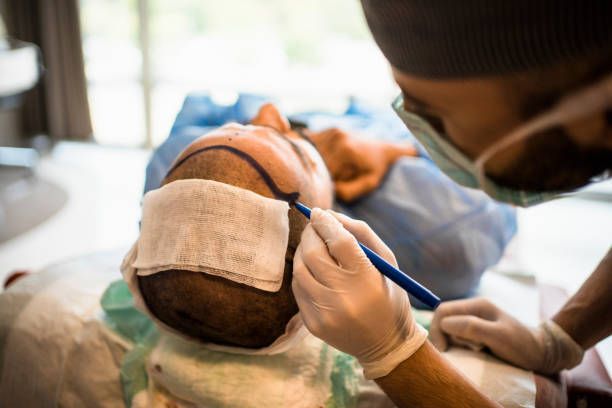

Hair loss is a common concern that affects millions worldwide, and its connection to hormonal imbalances is often underestimated. Hormones play a critical role in regulating hair growth cycles, and any disruption in their levels can trigger thinning, shedding, or complete hair loss. Understanding the relationship between hormones and hair health is crucial for anyone considering a Hair Transplant in Riyadh, as it helps in planning the right treatment approach tailored to individual needs.
Hormonal changes can occur due to various factors such as stress, age, medical conditions, or lifestyle habits. These fluctuations often impact the hair follicles, causing them to shrink or enter a dormant phase. For many individuals, addressing hormonal imbalances is the first step before undergoing a hair restoration procedure. Additionally, being aware of the hair transplant cost in Riyadh allows patients to make informed decisions and select the most suitable clinic for their needs.
How Hormones Affect Hair Growth
The human hair growth cycle consists of three main phases: anagen (growth), catagen (transition), and telogen (resting). Hormones influence these phases significantly. Androgens, particularly dihydrotestosterone (DHT), can bind to hair follicles, reducing their size and shortening the growth phase. This often results in pattern hair loss in both men and women. Estrogen and progesterone also play a protective role in maintaining hair density, especially in women. A decline in these hormones during menopause or after childbirth can trigger noticeable shedding.
Common Hormonal Imbalances Linked to Hair Loss
Several hormonal conditions are strongly associated with hair thinning and loss. Thyroid disorders, including hypothyroidism and hyperthyroidism, can slow down or disrupt the hair growth cycle. Polycystic ovary syndrome (PCOS) leads to elevated androgen levels in women, causing excessive hair shedding and thinning. Additionally, stress-induced hormonal changes can increase cortisol production, which indirectly affects the hair follicles. Identifying the underlying hormonal imbalance is crucial for achieving lasting results with a Hair Transplant in Riyadh.
Symptoms Indicating Hormonal Hair Loss
Recognizing the signs of hormone-related hair loss can help individuals seek timely treatment. Common symptoms include gradual thinning on the crown or frontal scalp, sudden hair shedding, reduced hair volume, and changes in hair texture. Women may notice increased hair growth on the face or body due to elevated androgen levels. Consulting with a professional allows for accurate diagnosis and personalized treatment plans, which is essential for optimizing hair restoration outcomes.
Preventive Measures and Lifestyle Adjustments
While hormonal imbalances can contribute to hair loss, certain lifestyle adjustments may help minimize their impact. Maintaining a balanced diet rich in vitamins and minerals supports hair follicle health. Regular exercise reduces stress levels, indirectly stabilizing hormone production. Avoiding harsh chemical treatments and practicing gentle hair care can also prevent unnecessary hair damage. Incorporating these preventive measures alongside professional evaluation enhances the effectiveness of a Hair Transplant in Riyadh.
Importance of Medical Evaluation Before Transplant
A thorough medical evaluation is a critical step before undergoing hair restoration. Hormonal assessments, scalp examinations, and hair density analysis ensure that patients receive the most suitable treatment. Addressing underlying hormonal issues before the transplant can significantly improve results and longevity. Clinics offering comprehensive consultations often combine medical expertise with advanced surgical techniques to achieve natural and lasting outcomes.
FAQs
Q: Can hormonal imbalances cause permanent hair loss?
A: Yes, prolonged hormonal disruptions can lead to permanent miniaturization of hair follicles, making early intervention essential.
Q: How long does it take to see results after addressing hormonal hair loss?
A: Depending on the underlying cause, improvements may be visible within a few months, though full hair regrowth often requires longer-term care.
Q: Are men or women more affected by hormonal hair loss?
A: Both genders can be affected, but the patterns and underlying causes may differ, with men often experiencing androgenic alopecia and women affected by conditions like PCOS or menopause.
Q: Can lifestyle changes alone reverse hormonal hair loss?
A: Lifestyle adjustments help support hair health but are often insufficient alone; medical evaluation and treatment are usually necessary for significant regrowth.
Q: Is a Hair Transplant in Riyadh suitable for someone with hormonal imbalances?
A: Yes, but it is recommended to address the hormonal issues first to ensure optimal and lasting results.
Consultation for Hair Restoration
Considering a hair restoration procedure can be life-changing, and personalized guidance is key. Enfield Royal Clinic provides expert consultations to assess hormonal health, scalp condition, and hair loss patterns. Their specialized team ensures every patient receives a tailored treatment plan, combining medical evaluation with advanced hair transplant techniques. For anyone experiencing hormone-related hair loss, booking a consultation at Enfield Royal Clinic is the first step toward restoring confidence and achieving natural-looking results.







Top comments (0)