
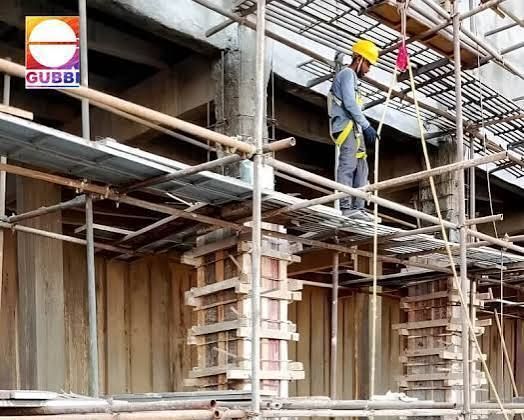

Column Jacketing, Concrete Jacketing, and Steel Jacketing are widely considered when an existing structure requires additional structural capacity without immediately replacing the affected member. These techniques can support the rehabilitation of weakened RCC columns, overloaded structural members, aging buildings, and facilities facing changed load conditions. Choosing the right approach requires understanding the existing damage, structural demand, available space, construction conditions, and the expected performance of the strengthened member.
Why Existing RCC Columns May Need Strengthening
Existing concrete structures can gradually lose performance because of corrosion, cracking, poor construction, environmental exposure, increased loading, or changes in building use. The original column may also have been designed for lower loads than those required today. Structural assessment helps determine whether repair alone is sufficient or whether strengthening is necessary. Column jacketing becomes relevant when the existing member needs a meaningful improvement in capacity or confinement.
What Is Column Jacketing?
The basic idea behind column jacketing is to improve the performance of an existing column by adding a new strengthening system around or alongside the original member. Depending on engineering requirements, this may involve reinforced concrete, micro-concrete, steel plates, or steel sections. The objective is not simply to make the column larger; the new system must be properly connected so the existing and added components can work together structurally.
What Is Concrete Jacketing?
Concrete jacketing, often referred to as RCC column jacketing, generally increases the effective cross-section of an existing reinforced concrete column by adding reinforcement and a new concrete layer. The added section can improve axial capacity, flexural resistance, shear performance, and confinement when correctly designed. It is relevant where substantial strengthening is required and increasing the column dimensions can be accommodated within the facility for existing RCC structures.
What Is Steel Jacketing?
Steel jacketing takes a different approach by using steel plates, angles, channels, or fabricated steel sections around an existing column. The arrangement is engineered to provide confinement and additional structural resistance while limiting the amount of new concrete required. Steel jacketing can be considered where access is restricted, section enlargement must be limited, or the structural design benefits from a steel-based strengthening system in many strengthening projects.
When Is Column Strengthening Required?
One of the most important decisions in structural strengthening is identifying why the column has become inadequate. Visible cracks, spalling concrete, exposed reinforcement, corrosion, excessive deformation, or local damage may indicate deterioration, but appearance alone cannot establish the required strengthening capacity. Increased floor loads, machinery installation, change of occupancy, additional construction, or revised structural requirements can create different demands. A detailed engineering evaluation should therefore guide the strengthening method.
How Does RCC Column Jacketing Work?
Concrete jacketing is often selected when the project requires a substantial increase in the column section and additional reinforcement can be properly integrated with the existing member. The process may include removing unsound concrete, cleaning reinforcement, preparing the substrate, installing new bars and ties, providing suitable connections, fixing formwork, and placing concrete or micro-concrete. Interface preparation is essential because the new jacket must interact effectively with the existing column.
Role of Micro-Concrete in Column Jacketing
Micro-concrete can be useful for column jacketing where conventional concrete placement is difficult because of congested reinforcement, narrow gaps, or restricted access. Its flow characteristics can help fill complex spaces around reinforcement when the specified material and installation procedure are followed. The required strength, shrinkage characteristics, bond, placement conditions, curing, and quality controls must all be considered before execution and installation during structural repair projects.
Steel Jacketing for Structural Strengthening
Steel jacketing can be particularly useful when the project needs a strengthening system that can be installed around an existing column with relatively limited wet construction. Steel components may be fabricated to suit the member geometry and then fixed using the connection arrangement specified by the design. The interfaces and gaps between steel and concrete require careful treatment, while corrosion protection is important in exposed or aggressive environments.
Concrete Jacketing vs Steel Jacketing
The choice between concrete jacketing and steel jacketing should never be based only on which material appears stronger. Engineers must consider the required capacity increase, column dimensions, access, surrounding finishes, fire protection, corrosion exposure, construction sequence, available working space, connection details, and project schedule. A solution suitable for an industrial column may be unsuitable for a congested commercial facility. Structural strengthening should therefore be selected according to project-specific conditions.
Common Applications of Column Jacketing
Column jacketing can be considered for several practical situations. These include columns weakened by deterioration, members affected by reinforcement corrosion, structures experiencing increased loads, columns requiring seismic strengthening, and existing members that no longer satisfy the required structural performance. It may also be considered when demolition would create major operational disruption. The final decision depends on structural calculations, site investigation, constructability, and the condition of the existing load path.
Structural Assessment Before Jacketing
A proper column strengthening project usually begins with inspection and structural investigation rather than immediate execution. Engineers may review drawings, inspect visible distress, identify reinforcement, evaluate concrete condition, and assess the existing load-carrying system. Testing and measurements may be required to understand material properties and deterioration. This information is then used to determine the deficiency and develop a suitable strengthening design rather than applying a standard jacket thickness.
Importance of Surface Preparation
Surface preparation is a key stage in concrete column jacketing because loose, cracked, or contaminated concrete can interfere with the performance of the new strengthening layer. Unsound material is removed, the exposed surface is cleaned, and reinforcement is inspected and treated where required. Proper preparation affects bonding, placement quality, and the ability of the completed jacket to perform as designed. The interface should also follow the approved repair system.
Reinforcement and Connection Detailing
Reinforcement detailing also plays a major role in RCC column strengthening. Additional longitudinal bars, ties, connectors, anchors, or other components are positioned according to the structural design rather than simply adding steel around the column. The detailing must account for load transfer, development, confinement, spacing, construction access, and interaction with beams, slabs, and foundations. Poor detailing can prevent the strengthening system from achieving its intended capacity even with high-quality concrete.
Importance of Load Transfer
Load transfer deserves special attention during column jacketing because an existing building may remain partially or fully operational while strengthening work is performed. Temporary supports or a controlled construction sequence may be necessary before intervention. The strengthening system also needs a clear load-transfer mechanism between old and new components. Without proper sequencing, newly added material may not contribute to the structure as effectively as intended.
Steel Jacketing Connection Requirements
Steel jacketing also requires careful connection design. Steel plates or sections must be arranged so they provide the required confinement or resistance, while connections, welds, bolts, anchors, grout, and interfaces are detailed for the actual structural demand. Fabrication tolerances and actual site geometry should be checked before installation. After fixing, protective treatment may be necessary to address corrosion and fire exposure. Quality inspection remains essential for reliable performance.
Benefits of Column Jacketing
The benefits of column jacketing extend beyond increasing nominal load capacity. A properly designed strengthening system can improve stiffness, confinement, ductility, and reliability of an existing structural member. It can also help extend the usable life of a facility when deterioration is addressed at the same time. However, these benefits depend on engineering design, appropriate materials, correct execution, and inspection rather than on the jacket material alone. This can support a Structural Capacity Upgrade when properly designed.
Where Column Jacketing Can Be Used
Column jacketing can be relevant across commercial buildings, industrial facilities, infrastructure structures, parking structures, and other reinforced concrete assets where continued service is important. Industrial environments may present challenges such as vibration, chemical exposure, restricted access, operating equipment, or high loading. In such cases, the strengthening system must be coordinated with the facility's operational requirements. The method must also be practical to execute without unnecessary disruption.
Assessing Foundations and Connected Members
Another important consideration is the foundation and adjoining structural members. Strengthening a column can change how forces are distributed through the building, particularly when the column receives substantially higher capacity or stiffness. The foundation, beam-column joints, slabs, and adjacent columns may therefore need assessment. Looking at the column in isolation can overlook weaknesses elsewhere in the load path and create an incomplete rehabilitation strategy.
Choosing the Right Jacketing Approach
For owners planning structural rehabilitation, a useful first step is to arrange a condition assessment and discuss the intended future use of the structure with a qualified structural professional. If strengthening is required, Gubbi Civil Engineers Limited can be considered for an engineering-led evaluation and suitable jacketing approach based on project condition, structural demand, and site constraints. Recommendations should focus on the actual deficiency rather than one standard method.
The selection between concrete jacketing, steel jacketing, and other strengthening techniques should ultimately be based on evidence from the existing structure. Each method has practical advantages and limitations, and the best option depends on capacity requirements, geometry, access, durability needs, construction sequence, and long-term use. A well-planned intervention can strengthen an existing column while avoiding unnecessary demolition and helping the facility continue its intended operation safely.
Column jacketing is therefore best understood as an engineered structural rehabilitation technique rather than a simple repair activity. Concrete jacketing can provide substantial section enhancement, while steel jacketing can offer a compact strengthening arrangement in suitable conditions. Both require careful investigation, design, detailing, execution, and inspection. When matched to the actual structural problem, jacketing can improve existing RCC members and extend the useful life of important structures.







Top comments (0)