
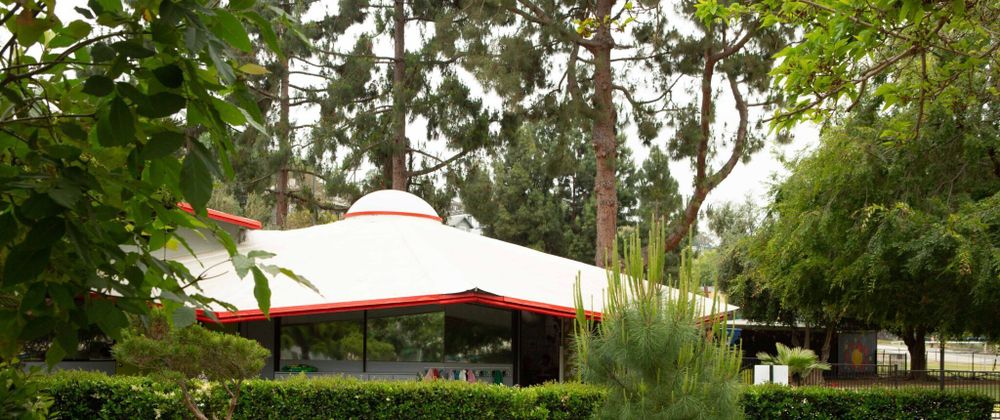

Every child deserves an educational environment where learning feels exciting, supportive, and meaningful. Choosing the right school is an important decision because the experiences children have during their early years can influence their confidence, interests, and future goals. Parents searching for an International school Los Feliz often want a place that offers quality education, language development, and opportunities to understand different cultures. International education can provide children with a broader learning experience by combining academic knowledge with creativity, communication, and personal development. A well balanced school environment helps young learners discover their abilities while developing the skills they need for everyday life.
Understanding the International Learning Experience
International education introduces children to a wider world of ideas, languages, and cultural experiences. Students have opportunities to learn about different communities and understand how people from various backgrounds live, communicate, and celebrate traditions.
This approach encourages children to become open minded and respectful. They learn that different opinions and experiences can bring valuable ideas into a classroom. These lessons help them develop better communication skills and build positive relationships.
International learning also encourages curiosity. Children become interested in exploring different countries, understanding global traditions, and learning about subjects beyond their immediate surroundings. Such experiences can help prepare them for an increasingly connected world.
Why Early Education Matters
The early years of childhood are important for developing basic learning habits. During this stage, children begin understanding numbers, letters, sounds, relationships, and their surroundings.
A supportive preschool environment makes these experiences enjoyable through interactive lessons, stories, games, and creative activities. Children learn by exploring and participating rather than simply memorising information.
Early education also introduces important routines. Students gradually learn how to follow instructions, organise their belongings, share with classmates, and participate in group activities.
These experiences can make the transition to elementary education more comfortable. They also help children develop independence and confidence in their everyday activities.
Developing Bilingual Communication Skills
Language learning is one of the valuable parts of an international educational environment. Children who experience different languages can develop stronger communication abilities and a greater understanding of other cultures.
French and English bilingual education gives students opportunities to practise speaking, listening, reading, and writing. Regular exposure to both languages can help them become more comfortable using new vocabulary and expressions.
Teachers can introduce language learning through conversations, storytelling, songs, reading exercises, and classroom projects. These activities make lessons engaging and help children understand how language works in everyday situations.
Developing bilingual abilities can also encourage confidence. Children learn that communication is a skill that improves with regular practice, patience, and participation.
Creating a Friendly and Supportive Classroom
A positive classroom environment can make a significant difference in how children approach learning. Students need to feel safe, respected, and comfortable when expressing their thoughts.
Teachers can create this atmosphere by listening to students, encouraging participation, and recognising individual achievements. Children who feel supported may become more willing to ask questions and explore unfamiliar subjects.
Families considering an International school Los Feliz should pay attention to the learning atmosphere and the way teachers interact with students. A welcoming environment can help children adjust to school life and develop a strong sense of belonging.
Good communication between teachers and parents is also important. Sharing information about progress, classroom activities, and learning needs helps families remain involved in their children's education.
Encouraging Creativity and Imagination
Creativity allows children to explore ideas and express themselves in different ways. Activities such as drawing, painting, music, storytelling, and building projects can make education more enjoyable.
These experiences help children discover their interests and develop their individual strengths. They also encourage imagination and independent thinking.
Creative projects often involve planning, experimenting, and making decisions. Children learn how to approach challenges and improve their work when something does not happen as expected.
Giving students opportunities to explore creative subjects alongside academic lessons can create a more balanced educational experience.
Building Critical Thinking and Problem Solving Abilities
Children should have opportunities to understand why things happen and how different problems can be solved. Critical thinking encourages them to ask questions, observe information, and develop their own ideas.
Teachers can support these abilities through classroom discussions, science experiments, reading activities, and practical projects. For example, children may explore how plants grow or discuss different solutions to a simple everyday problem.
These activities help students become active participants in their education. They also teach children that learning involves curiosity, observation, and trying different approaches.
Problem solving skills can become increasingly valuable as students progress to more advanced subjects and responsibilities.
Learning to Appreciate Different Cultures
Cultural understanding is an important part of growing up in an international community. Children can learn about different traditions, celebrations, foods, languages, and lifestyles.
Classroom discussions and cultural activities allow students to share experiences and learn from their classmates. This creates opportunities to develop respect and appreciation for different backgrounds.
Children also learn how to communicate with people who may have different opinions or experiences. These lessons encourage kindness, patience, and cooperation.
Cultural awareness can help students become responsible individuals who understand the value of diversity in modern communities.
Developing Social Skills and Strong Friendships
School is an important place for children to learn how to interact with others. Everyday classroom experiences teach students how to share, listen, cooperate, and communicate respectfully.
Group activities provide opportunities to practise teamwork. Children learn how to contribute ideas, complete shared tasks, and appreciate the efforts of their classmates.
Friendships also support emotional development. Positive relationships can help children feel more comfortable at school and encourage them to participate in different activities.
A friendly school community gives students opportunities to build meaningful connections while developing confidence and social responsibility.
Supporting Academic Growth and Personal Development
Strong academic foundations are essential for future learning. Subjects such as mathematics, science, languages, social studies, and arts help children develop knowledge and practical abilities.
However, education should also focus on personal development. Students need opportunities to discover their talents, improve concentration, and develop responsibility.
Sports, music, art, and other activities can support these goals. They encourage discipline, teamwork, creativity, and confidence.
A balanced approach helps children understand that success is not limited to academic grades. Personal achievements and positive learning habits are equally important.
What Parents Should Look for When Choosing a School
Choosing a school requires careful research. Parents should consider the curriculum, teaching approach, language programmes, classroom facilities, extracurricular activities, and student support.
Visiting the campus can provide a clearer understanding of the educational environment. Families can ask teachers about classroom routines, academic expectations, and opportunities for children to develop different skills.
Parents researching an International school Los Feliz should also check the grade levels available at the campus. The Los Feliz campus provides preschool through elementary education up to fifth grade.
Understanding these details can help families select an environment that matches their child's educational needs and future learning plans.
Conclusion
A meaningful education helps children become confident, curious, creative, and responsible individuals. International education can support this development through academic learning, bilingual communication, cultural awareness, and positive social experiences.
By considering the teaching approach, classroom environment, and individual needs of their children, parents can make informed educational decisions. A supportive school community can provide the foundation children need to enjoy learning, discover their strengths, and prepare for future opportunities.





Top comments (0)