
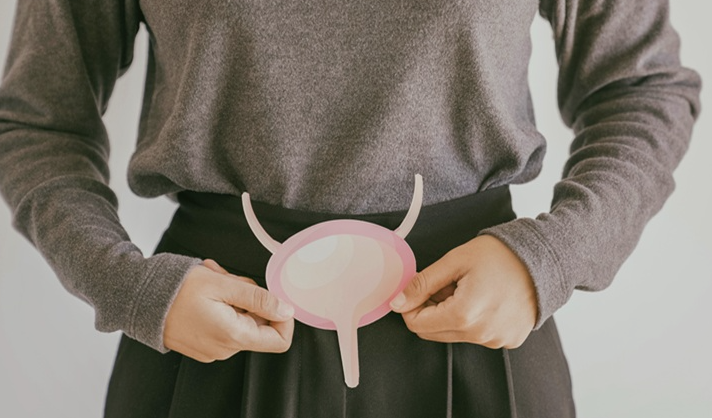

Overactive bladder is a common urinary condition that can affect women of all ages. It may cause a sudden, difficult-to-control need to urinate, frequent trips to the bathroom, and nighttime urination. For some women, these symptoms can also lead to urine leakage before reaching the bathroom, a problem known as urge incontinence. Although these conditions can be frustrating and disruptive, they are often manageable with appropriate evaluation and treatment.
Understanding the relationship between overactive bladder women and urge incontinence can help women recognize symptoms, identify possible triggers, and seek appropriate medical care.
What Is an Overactive Bladder?
Overactive bladder, often abbreviated as OAB, describes a group of urinary symptoms involving a strong and sudden urge to urinate. The bladder normally stores urine until it is convenient to empty. With an overactive bladder, the muscles of the bladder may contract unexpectedly, creating an urgent sensation even when the bladder is not completely full.
Common symptoms include:
A sudden, strong urge to urinate
Frequent urination during the day
Waking one or more times at night to urinate
Difficulty postponing urination
Urine leakage associated with a sudden urge
Overactive bladder does not necessarily mean that a woman has an infection or another serious disease. However, similar symptoms can occur with urinary tract infections, certain medications, diabetes, bladder disorders, and other conditions. This is why persistent or bothersome symptoms should be discussed with a healthcare professional.
Understanding Urge Incontinence in Women
Urge incontinence is a type of urinary incontinence characterized by involuntary urine leakage that occurs with a sudden and compelling need to urinate. A woman may feel that she needs to use the bathroom immediately but may not be able to reach it in time.
For example, some women experience leakage when they hear running water, arrive home and put a key in the door, or suddenly feel the need to urinate. Others may experience leakage without an obvious trigger.
Urge incontinence is closely associated with overactive bladder because both conditions can involve involuntary bladder contractions. However, not every woman with an overactive bladder experiences urine leakage.
Why Does Overactive Bladder Happen?
There can be many contributing factors. In some cases, the exact cause is not immediately clear. Possible factors include changes in bladder function, pelvic floor problems, neurological conditions, hormonal changes, urinary tract infections, constipation, and certain medications.
Age can also influence bladder function, although bladder symptoms should not automatically be considered a normal part of aging. Pregnancy and childbirth may affect the pelvic floor, while menopause-related changes can also contribute to urinary symptoms in some women.
Lifestyle factors may play a role as well. Caffeine, alcohol, carbonated beverages, and excessive fluid intake can increase urinary frequency or urgency for some people. Individual triggers vary, so keeping track of symptoms can be useful.
Symptoms That Should Not Be Ignored
Occasional urinary urgency may not be concerning, but persistent symptoms deserve attention. Women should consider speaking with a healthcare professional if they frequently need to rush to the bathroom, experience repeated urine leakage, wake frequently at night to urinate, or find that bladder symptoms interfere with work, sleep, exercise, travel, or social activities.
Blood in the urine, painful urination, fever, severe pelvic or back pain, or sudden significant changes in urination may require prompt medical evaluation because these symptoms can indicate conditions other than uncomplicated overactive bladder.
How Is Overactive Bladder Diagnosed?
Diagnosis generally begins with a discussion about symptoms, medical history, medications, fluid intake, and lifestyle habits. A healthcare professional may also perform a physical examination.
A urine test may be recommended to check for infection, blood, or other abnormalities. In some cases, additional testing may be appropriate depending on the symptoms and medical history.
Keeping a bladder diary can provide helpful information. A woman may record when she drinks fluids, when she urinates, how strong the urge is, and whether leakage occurs. This information can help identify patterns and guide treatment decisions.
Treatment Options for Overactive Bladder
Treatment depends on the individual's symptoms and underlying factors. Many women begin with behavioral and lifestyle strategies.
Bladder training is one commonly recommended approach. It involves gradually increasing the time between bathroom visits while responding appropriately to urinary urges. The goal is to improve bladder control over time rather than repeatedly urinating "just in case."
Pelvic floor muscle exercises may also help some women. These exercises strengthen muscles involved in bladder control. A healthcare professional or pelvic floor physical therapist can help women learn the correct technique, particularly when they are unsure whether they are activating the appropriate muscles.
Managing fluid intake can also be beneficial. Drinking enough water is important, but consuming very large quantities at once may increase urgency and frequency. Reducing or identifying personal triggers such as caffeine may also help.
Medical Treatments
When lifestyle and behavioral strategies do not provide enough relief, healthcare professionals may discuss medications or other treatments.
Certain prescription medications can help relax the bladder or reduce involuntary contractions. Treatment choices depend on factors such as age, other health conditions, current medications, and potential side effects.
Another option for selected patients is a procedure involving injection of botulinum toxin into the bladder muscle. This can reduce unwanted bladder contractions in some people. Nerve stimulation therapies may also be considered when other approaches have not produced satisfactory results.
Because treatments have potential benefits and risks, women should discuss available options with a qualified healthcare professional rather than starting or stopping treatment independently.
Living With Urge Incontinence
Urge incontinence can affect more than physical comfort. Women may avoid long car rides, exercise classes, social gatherings, travel, or other activities because they are worried about finding a bathroom. Anxiety about leakage can also affect confidence and quality of life.
Planning ahead can make daily activities easier. Knowing where restrooms are located, carrying spare clothing when necessary, and using appropriate absorbent products can provide reassurance while a woman works with her healthcare provider on longer-term management.
Most importantly, urinary leakage should not be viewed as something a woman simply has to tolerate. Many treatment strategies can reduce symptoms and improve daily life.
Prevention and Healthy Bladder Habits
There is no guaranteed way to prevent every case of overactive bladder or urge incontinence, but healthy habits may support bladder health. These include maintaining a healthy weight when appropriate, staying physically active, managing constipation, drinking fluids sensibly, and avoiding excessive intake of known bladder irritants.
Pelvic floor exercises may also support urinary control. Women who have persistent symptoms should seek professional guidance to determine which strategies are most appropriate.
When to Seek Professional Help
Women experiencing frequent urgency, nighttime urination, or urge-related leakage should consider discussing their symptoms with a healthcare professional. Evaluation can help distinguish overactive bladder from urinary infections, stress incontinence, pelvic floor disorders, and other medical conditions.
A healthcare professional can also develop a treatment plan based on the severity and cause of symptoms. In some cases, relatively simple changes can make a meaningful difference; in others, medication, physical therapy, or specialized treatment may be appropriate.
Conclusion
Overactive bladder in women and urge incontinence in women are common urinary concerns that can interfere with comfort, sleep, confidence, and everyday activities. The conditions are closely related, but they are not necessarily the same. Overactive bladder primarily involves urinary urgency and related symptoms, while urge incontinence specifically involves involuntary urine leakage associated with a strong urge to urinate.
Recognizing symptoms is an important first step. With proper evaluation, women can identify possible contributing factors and explore appropriate management options. From bladder training and pelvic floor exercises to medical treatments, there are several approaches that may help improve bladder control and quality of life. Persistent, worsening, painful, or unusual urinary symptoms should always be evaluated by a qualified healthcare professional.







Top comments (0)