
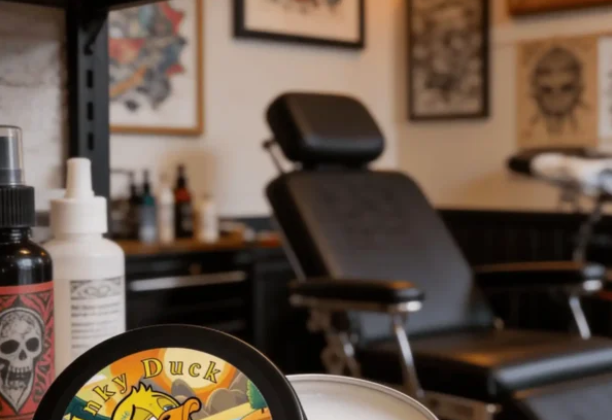

Getting a new tattoo is an exciting experience, but proper aftercare is essential for protecting the artwork and supporting healthy skin recovery. One of the most commonly recommended aftercare products is tattoo healing balm. Designed specifically for freshly tattooed skin, a quality balm can help keep the area moisturized, reduce dryness, and create a protective barrier while the skin heals. Understanding what tattoo balm does and how to use it correctly can make the healing process more comfortable and help your tattoo maintain its appearance.
What Is Tattoo Healing Balm?
Tattoo healing balm is a topical skincare product formulated for use during the healing process after getting a tattoo. Unlike many ordinary lotions, tattoo balms are often made with moisturizing oils, butters, waxes, and other skin-conditioning ingredients designed to support dry or irritated skin.
A new tattoo is essentially an area of skin that has experienced repeated needle punctures. During the first several days and weeks, the skin may feel tender, tight, dry, or itchy. A suitable healing balm can provide moisture while helping protect the surface from excessive dryness and friction.
Tattoo balms can vary considerably in their ingredients and texture. Some are lightweight and absorb quickly, while others are thicker and provide a longer-lasting protective layer.
What Does Tattoo Balm Do?
What Does Tattoo Balm Do The primary purpose of tattoo balm is to support the skin during the tattoo healing process. It does not magically heal a tattoo, but it can help create a more comfortable environment for the skin to recover.
- Helps Keep the Skin Moisturized
Freshly tattooed skin can become dry and tight as it begins to heal. Applying an appropriate amount of balm helps prevent excessive dryness and keeps the surrounding skin conditioned.
Maintaining reasonable moisture can also make the healing process more comfortable, particularly when the skin starts to feel tight or flaky.
- Supports the Skin Barrier
The skin's natural barrier plays an important role in protecting the body from environmental irritants. Tattoo healing balm can form a light protective layer over the skin, helping reduce exposure to friction and excessive dryness.
However, applying too much product can have the opposite effect by trapping excessive moisture. A thin layer is generally preferable to a heavy coating.
- Helps Reduce Dryness and Flaking
Peeling and flaking are common during tattoo healing. While the skin is naturally shedding damaged surface cells, excessive dryness can make the area uncomfortable.
A suitable balm can help condition the skin and reduce the uncomfortable feeling associated with dryness. It is important not to pick, scratch, or pull peeling skin, because doing so can interfere with normal healing.
- Can Help Relieve Itchiness
Many people experience itching as their tattoo heals. Moisturized skin may feel less uncomfortable than extremely dry skin.
Instead of scratching a healing tattoo, gently applying the recommended amount of aftercare balm can help keep the area comfortable. Persistent or severe itching, especially when accompanied by other concerning symptoms, should be evaluated by a healthcare professional.
- Helps Protect the Tattoo From Excessive Friction
Clothing and everyday movement can rub against a healing tattoo. A properly applied balm may provide some lubrication and help minimize discomfort caused by friction.
This can be particularly useful when a tattoo is located on an area that frequently comes into contact with clothing.
When Should You Use Tattoo Healing Balm?
The timing of tattoo balm application depends on the tattoo artist's instructions, the condition of the skin, and the specific product being used. Tattoo artists may recommend different aftercare routines depending on the tattoo and the protective covering initially applied.
Once you are instructed to begin using a healing balm, clean the tattoo gently according to your artist's directions and allow the skin to dry appropriately. Then apply a small amount of balm in a thin, even layer.
More balm is not necessarily better. The goal is to condition the skin without leaving it excessively greasy, wet, or covered in a thick layer of product.
How to Apply Tattoo Balm Correctly
Proper application is just as important as choosing the right product. Start by washing your hands before touching the tattoo. Gently clean the area according to your tattoo artist's aftercare instructions.
After cleaning, pat the area dry with a clean, disposable towel or allow it to air dry as recommended. Avoid aggressive rubbing.
Next, apply a small amount of tattoo healing balm. Spread it gently over the tattoo without aggressively massaging the skin. The tattoo should not remain heavily coated.
Follow the product instructions and your tattoo artist's recommendations regarding frequency. If your skin becomes excessively oily, irritated, or uncomfortable after application, stop using the product and seek appropriate advice.
What Ingredients Are Commonly Found in Tattoo Balm?
Tattoo balms may contain ingredients such as shea butter, plant oils, beeswax, cocoa butter, or other moisturizing and protective compounds. Each formula is different, so reading the ingredient list is important.
People with sensitive skin may want to avoid products containing ingredients that have previously caused irritation or allergic reactions. Fragrance and essential oils, for example, may not be suitable for everyone.
Choosing a simple, reputable product specifically intended for tattoo aftercare can be a practical approach.
Tattoo Balm vs. Regular Lotion
Regular lotion can moisturize skin, but tattoo balm is often formulated with the specific needs of healing tattooed skin in mind. Balms tend to be thicker and may create a more protective layer than lightweight lotions.
That does not mean regular lotion is always inappropriate. Some tattoo artists recommend transitioning from a balm to an unscented moisturizer as healing progresses. The best option depends on the tattoo, your skin, and the aftercare instructions provided by your tattoo professional.
Mistakes to Avoid During Tattoo Healing
One of the biggest mistakes is applying too much balm. A thick layer can make the tattoo feel greasy and may prevent the skin from behaving normally during healing.
Another common mistake is picking at flakes or scabs. Even when the tattoo becomes itchy, resist the temptation to scratch or peel it.
It is also important to follow your tattoo artist's instructions about water exposure, exercise, clothing, sun exposure, and other activities during the healing period. Avoid applying unapproved products simply because they are marketed as general skincare products.
Signs That Require Attention
Normal tattoo healing can involve tenderness, mild redness, peeling, and itching. However, symptoms that appear severe, worsen rather than improve, or include significant swelling, increasing pain, pus, fever, or spreading redness may require medical attention.
A healing balm should never be considered a treatment for an infection or serious skin reaction. If something about the tattoo's healing appears unusual or concerning, contact a healthcare professional.
Final Thoughts
Tattoo healing balm can be a valuable part of a well-planned tattoo aftercare routine. Its main purposes are to moisturize the skin, reduce excessive dryness, support the skin barrier, and improve comfort while the tattoo heals. Used correctly, a small amount of an appropriate balm can help keep freshly tattooed skin conditioned without overwhelming it with product.
The most important rule is to follow your tattoo artist's aftercare instructions and use products as directed. Every tattoo and every person's skin can respond differently. With gentle cleaning, appropriate moisturization, good hygiene, and patience, you can give your new tattoo the care it needs while your skin completes its natural healing process.





Top comments (0)