
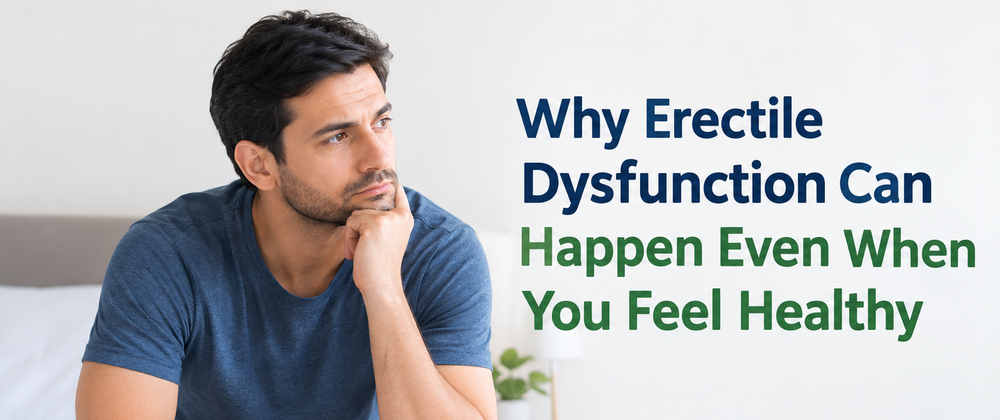

Erectile dysfunction (ED) is often associated with aging, diabetes, or other visible health problems. However, some men experience difficulty achieving or maintaining an erection even when they exercise regularly, eat well, and feel physically fit. This can be confusing, particularly when there are no obvious signs of illness.
The reality is that erectile function depends on several interconnected systems, including blood circulation, nerve signals, hormone levels, mental well-being, and sleep quality. A problem in any of these areas can affect sexual performance before other symptoms become noticeable.
Understanding these less obvious causes can help men recognize when occasional difficulties deserve closer attention.
1. Hidden Changes in Blood Circulation
An erection depends on adequate blood flow into the penis. When a man becomes sexually aroused, blood vessels relax and allow more blood to enter the erectile tissues. The process also requires the body to maintain that blood within the penis long enough for an erection to continue.
Even if someone appears healthy, early changes in blood vessel function may interfere with this process. High blood pressure, elevated cholesterol, smoking, and reduced physical activity can affect blood vessel health without producing noticeable symptoms.
In some cases, erectile dysfunction may appear before a man realizes that he has a cardiovascular risk factor. Persistent erection difficulties should therefore not automatically be dismissed as a temporary sexual problem.
2. Stress That Does Not Feel Like Stress
Stress is not always experienced as obvious anxiety. Work deadlines, financial responsibilities, relationship concerns, and constant mental pressure can influence the body's response to sexual activity.
When stress persists, the nervous system may remain in a state of alertness. This can make relaxation and sexual arousal more difficult. A man might feel confident in everyday situations but experience erection difficulties during intimate moments.
The pressure to perform can create another challenge. After one unsuccessful sexual experience, a person may become concerned about whether it will happen again. That concern can increase tension and make subsequent experiences more difficult.
Recognizing this pattern is important. Psychological factors can contribute to erectile dysfunction even when physical health appears good, and they can also occur alongside physical causes.
3. Poor Sleep and Irregular Sleeping Patterns
Sleep plays an important role in hormonal regulation, mood, energy, and sexual health. Repeatedly sleeping too little or experiencing poor-quality sleep may affect erectile function and sexual desire.
Men who work night shifts, keep irregular schedules, or frequently wake up at night may not always recognise how their sleep patterns affect their well-being. Sleep disorders, including obstructive sleep apnea, can also contribute to sexual difficulties.
Improving sleep consistency may support general health, but ongoing erection problems should not be attributed to sleep alone. Persistent daytime fatigue, loud snoring, or interrupted breathing during sleep are reasons to discuss possible sleep disorders with a healthcare professional.
4. Hormonal Changes Without Obvious Symptoms
Testosterone contributes to sexual desire and supports normal male reproductive function. When testosterone levels are low, some men experience reduced libido, fewer spontaneous erections, fatigue, or mood changes.
However, erectile dysfunction does not automatically indicate low testosterone. A man may have normal hormone levels and still experience erection difficulties because of vascular, neurological, medication-related, or psychological factors.
Hormonal problems can sometimes develop gradually, making their effects easy to overlook. If symptoms suggest a hormonal issue, a healthcare professional may recommend appropriate blood tests, including testosterone testing when indicated.
Taking testosterone products without a confirmed medical need is not a suitable solution and may create additional health risks.
5. Medications That Affect Erectile Function
Some prescription medicines can contribute to erectile difficulties, even when the condition being treated is well controlled. Depending on the medication and individual circumstances, possible contributors include certain antidepressants, blood pressure medicines, and other drugs that influence hormones or the nervous system.
This does not mean that every person taking these medicines will develop ED. The effect varies according to the medication, dose, underlying condition, and individual response.
If erection problems begin after starting a new medicine or changing a dose, discuss the timing with the prescribing clinician. Do not stop or adjust prescribed treatment independently. A healthcare professional can determine whether an alternative medicine or another approach may be appropriate.
6. Metabolic Problems That Develop Quietly
A person can feel energetic and maintain a normal-looking body weight while still having metabolic risk factors. Insulin resistance, elevated blood sugar, abnormal cholesterol, and high blood pressure may develop without clear warning signs.
These conditions can gradually affect blood vessels and nerves involved in erections. Diabetes, in particular, can damage both systems when blood sugar remains elevated over time.
Routine health assessments can help identify problems that might otherwise remain unnoticed. Depending on individual risk factors, a clinician may recommend checking blood pressure, blood glucose or HbA1c, cholesterol, and other relevant measurements.
Identifying these issues early can support both general health and erectile function.
7. Why Lifestyle Habits Matter More Than They Seem
Small daily habits can influence sexual health over time. Smoking can damage blood vessels, while excessive alcohol consumption may interfere with sexual responses. Physical inactivity can contribute to cardiovascular and metabolic problems, and an unbalanced diet may make these risks harder to manage.
A healthy lifestyle cannot resolve every case of ED, but it can help improve overall health and reduce some contributing risk factors.
Men can start with manageable changes:
• Aim for regular physical activity, including aerobic exercise.
• Eat a balanced diet rich in vegetables, fruit, whole grains, and appropriate protein sources.
• Maintain a consistent sleep schedule.
• Limit alcohol and avoid smoking.
• Make time for relaxation and address ongoing emotional stress.
These steps work best when treated as long-term habits rather than quick fixes.





Top comments (0)