
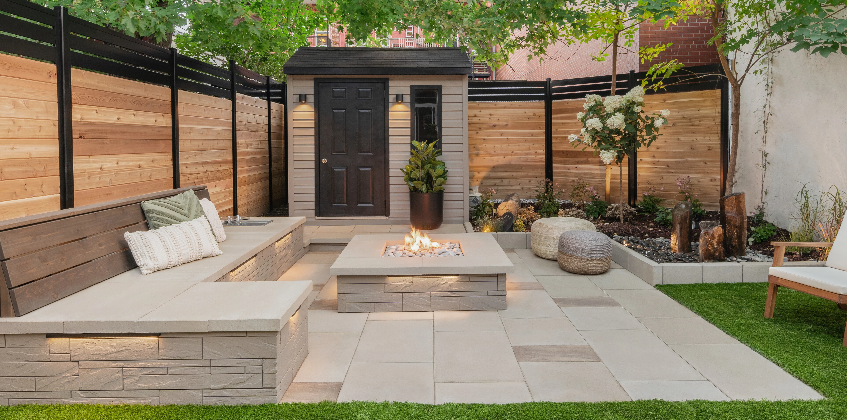

A well-planned landscape can significantly influence the appearance, functionality, and overall character of a property. Homeowners and property managers looking for landscaping services southlake tx often want more than basic lawn maintenance; they need outdoor spaces that complement the property, remain manageable throughout the seasons, and provide lasting value. From carefully selected plants and defined garden beds to attractive walkways and comfortable outdoor areas, landscaping can bring structure and purpose to otherwise underused spaces. The right approach considers the property's layout, environmental conditions, maintenance requirements, and the way residents or visitors will use the outdoor environment.
Professional landscaping services southlake tx can also help property owners address practical concerns that are easy to overlook during a do-it-yourself project. Drainage, soil conditions, irrigation, plant growth, sunlight exposure, and seasonal maintenance can all affect how successfully a landscape performs. A landscape may look impressive immediately after installation but become difficult to maintain if plants are poorly positioned or water does not move properly through the property. For this reason, quality landscaping begins with planning rather than simply adding attractive features. A thoughtful design can create a cohesive outdoor environment that looks appealing while remaining functional and realistic to care for.
Understanding the Value of Professional Landscaping
Professional landscaping combines design, installation, maintenance, and property-specific problem solving. While basic lawn care can keep grass trimmed, a complete landscape strategy considers the relationship between turf, trees, shrubs, planting beds, hardscape features, drainage, and outdoor living areas. This broader perspective can make a property feel more organized and intentional. Landscaping can also help define spaces, guide movement, frame entrances, and create visual transitions between different areas of a yard. For commercial properties, an attractive exterior can contribute to a professional first impression, while residential properties can benefit from improved outdoor usability and curb appeal. The most effective landscaping decisions are those that balance appearance with practical requirements, ensuring that the finished environment can be maintained without creating unnecessary challenges.
Designing Landscapes Around Property Needs
Every property has different characteristics, which means landscaping should be customized rather than based on a universal template. A landscape designer or professional service provider may consider the size and shape of the property, existing vegetation, sunlight patterns, drainage, soil conditions, access points, and the owner's goals before recommending improvements. For example, a homeowner who frequently entertains outdoors may benefit from a layout that emphasizes patios, seating areas, lighting, and comfortable circulation, while another property may prioritize privacy and low-maintenance planting. Commercial landscapes may require greater attention to entrances, visibility, pedestrian paths, parking areas, and consistent presentation. Starting with these practical considerations makes it easier to select plants and materials that support the property's intended use instead of creating features that look appealing but are difficult to manage.
**
Choosing Plants for Southlake Conditions**
Plant selection is one of the most important elements of a successful landscape because plants must perform within the conditions available on the property. Sun exposure, soil quality, drainage, available space, seasonal weather, and mature plant size should all influence the decision. A plant that performs well in one location may struggle in another because of differences in shade, moisture, or soil conditions. Proper spacing is equally important because newly installed plants can eventually become much larger than their initial size. Trees and shrubs should be positioned with future growth in mind so that they do not interfere with structures, walkways, utility areas, or sightlines. A balanced planting plan can combine different heights, textures, and seasonal characteristics to create visual interest while keeping maintenance requirements reasonable.
The Importance of Landscape Maintenance
Landscape installation is only the beginning of maintaining an attractive outdoor environment. Grass grows, plants mature, weeds appear, branches require trimming, and planting beds can gradually lose their defined appearance. Regular maintenance helps preserve the original design and allows property owners to identify emerging problems before they become more difficult to address. Depending on the landscape, maintenance may include mowing, edging, pruning, weed management, seasonal cleanup, plant care, and monitoring of irrigation systems. Consistency is particularly important for properties where appearance matters throughout the year. A landscape that receives occasional attention may quickly look uneven, while a regular maintenance routine can keep important areas looking organized and healthy. Professional maintenance also gives property owners greater confidence that routine landscape tasks are being handled systematically rather than only when problems become obvious.
Addressing Drainage and Water Management
Water management should be considered whenever a landscape is installed or significantly changed. Poor drainage can result in standing water, soil erosion, damaged planting areas, and unhealthy plant growth. In some cases, the problem may be connected to grading, while other situations may require a more specific drainage solution. Before adding new landscape features, property owners should understand how rainwater moves across the property and where water naturally collects. Professional evaluation can help identify potential trouble areas and determine whether grading adjustments, drainage channels, collection systems, or other measures may be appropriate. Proper water management protects both the landscape and surrounding property while making outdoor areas more usable after rainfall. Addressing drainage during the planning stage is often more effective than attempting to correct the problem after new landscaping has already been installed.
Combining Softscape and Hardscape Features
A visually balanced landscape usually includes a thoughtful combination of living and structural elements. Softscape features such as grass, trees, shrubs, flowers, and planting beds introduce natural color, texture, and seasonal variation. Hardscape elements such as patios, pathways, retaining walls, edging, steps, and decorative surfaces provide structure and improve the usability of outdoor areas. These components should work together rather than compete for attention. A pathway can be softened with surrounding plants, while a seating area can be framed by carefully positioned shrubs or trees. Hardscape can also help define different zones, making a larger yard feel more organized. The goal is not to add as many features as possible but to select elements that serve a clear purpose and contribute to the overall design.
How Lighting Can Enhance an Outdoor Environment
Landscape lighting can extend the usefulness and visual appeal of outdoor areas after daylight hours. Well-positioned lighting can emphasize architectural details, highlight trees or planting beds, improve visibility along pathways, and create a more comfortable atmosphere around outdoor gathering areas. Lighting should be planned carefully so that fixtures provide useful illumination without producing excessive glare or disrupting the appearance of the property. Placement matters because different areas require different levels and types of lighting. Pathways may need practical guidance, while ornamental lighting can be used more selectively to draw attention to specific landscape features. Integrating lighting into the overall landscape plan can create a more cohesive result than adding fixtures without considering the property's existing design.
Choosing the Right Landscaping Provider
Selecting a landscaping provider should involve more than comparing service prices. Property owners should look at experience, communication, attention to detail, maintenance capabilities, and the provider's ability to understand the property's specific requirements. A reliable landscaping relationship should make outdoor property management easier rather than create additional uncertainty. It is also useful to consider whether the provider can support multiple stages of a project, including design, installation, maintenance, drainage solutions, or lighting when needed. Limitless Landscaping TX offers landscaping solutions designed around residential and commercial property needs, with an emphasis on creating outdoor environments that are practical as well as attractive. Working with a provider that considers the complete landscape can help ensure that individual improvements contribute to a consistent overall result.
Conclusion
Professional landscaping is an investment in both the appearance and functionality of a property. From selecting appropriate plants and designing usable outdoor areas to managing drainage, maintaining vegetation, and integrating hardscape or lighting, every element plays a role in long-term landscape performance. Property owners researching landscaping services southlake tx should consider not only how a landscape will look immediately after installation but also how it will develop and be maintained over time. A well-planned landscape should complement the property, support its intended use, and remain practical through changing seasons. By choosing experienced professionals and focusing on thoughtful planning, consistent maintenance, and property-specific solutions, homeowners and businesses can create outdoor spaces that remain attractive, functional, and welcoming for years to come.







Top comments (0)