
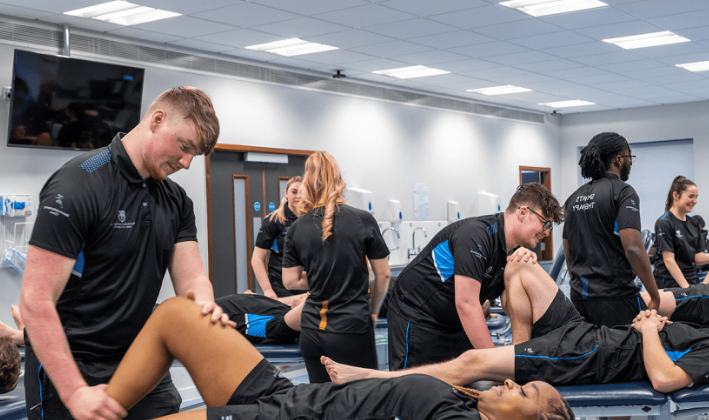

Sports and physical activity offer many benefits, but regular participation can also place significant demands on muscles, joints, tendons, and ligaments. When an injury occurs, pain and restricted movement can interfere with training, work, recreation, and everyday activities. Sports Therapy in Ashburn provides a structured approach to rehabilitation that focuses on restoring physical abilities while helping active individuals progress toward their desired level of activity. Treatment can address strength, flexibility, mobility, balance, coordination, and movement control according to the individual's condition and goals.
Sports therapy is not limited to professional athletes. Runners, gym participants, recreational players, weekend athletes, and active adults may all experience injuries that require thoughtful rehabilitation. Sports Therapy in Ashburn can provide individualized support for people who want to recover responsibly rather than returning to demanding activities before their body is ready. State of the Art Physical Therapy provides outpatient rehabilitation in Ashburn, offering a local option for individuals working toward improved movement and a gradual return to their preferred activities.
Understanding the Role of Sports Therapy
Sports therapy combines rehabilitation principles with an understanding of the physical demands associated with exercise and athletic activity. Treatment begins with evaluating the individual's injury, movement limitations, strength, mobility, and functional goals. Depending on the situation, rehabilitation may include therapeutic exercise, progressive strengthening, mobility training, balance work, coordination activities, and movement retraining. The objective is to restore the physical qualities needed for the individual's particular activities rather than simply completing a generic exercise program. A runner, for example, may have different requirements from a tennis player or someone who participates in strength training. Recognizing these differences allows rehabilitation to become more relevant and helps establish a progression that reflects the patient's actual activity demands.
**
Common Sports Injuries That May Require Rehabilitation**
Athletic injuries can range from relatively minor strains to conditions requiring a longer rehabilitation process. Muscle strains, tendon problems, ligament injuries, joint pain, overuse conditions, and injuries affecting the knees, shoulders, hips, ankles, or feet can all interfere with physical activity. Repetitive training without adequate recovery may also contribute to movement problems over time. Rehabilitation needs vary depending on the injury and the individual's physical condition. A patient recovering from an ankle injury may need to rebuild mobility, strength, and balance, while someone dealing with a shoulder problem may require progressive strengthening and movement-control exercises. Proper evaluation helps identify the physical limitations affecting performance and provides a foundation for selecting exercises that match the patient's stage of recovery.
Why a Gradual Return to Activity Matters
One of the most important aspects of sports rehabilitation is managing the transition from recovery to normal activity. Feeling better does not always mean that strength, coordination, endurance, and movement control have fully returned. Resuming intense training too quickly can place additional stress on tissues that may still be adapting. A gradual progression allows physical demands to increase in stages while giving the patient and therapist opportunities to evaluate how the body responds. Early rehabilitation may focus on controlled movements and foundational strength before progressing toward more demanding activities. Eventually, exercises can become more closely related to the movements required for a particular sport or recreational activity. This progression can help active individuals rebuild physical capacity while developing greater confidence in their ability to move.
Building Strength and Movement Control
Strength is an important part of athletic performance and injury recovery, but effective rehabilitation involves more than simply lifting heavier weights. Muscles must work together with joints and the nervous system to produce controlled and coordinated movement. Sports rehabilitation may therefore include exercises designed to improve stability, balance, coordination, endurance, and movement mechanics in addition to strength. The appropriate exercises depend on the individual's condition and activity goals. A lower-body injury may require progressive strengthening of the hips and legs along with balance and movement-control work, while an upper-body injury may require attention to shoulder stability and trunk control. As capacity improves, exercises can become progressively more challenging to better reflect the demands of training and competition.
Connecting Rehabilitation With Athletic Goals
A successful sports rehabilitation program should ultimately relate to what the individual wants to accomplish. Someone may be hoping to return to running, recreational basketball, tennis, weight training, cycling, or another physical activity. Each activity places different demands on the body, which means rehabilitation should take these requirements into account when appropriate. Functional training can gradually introduce movements that resemble the demands of the desired activity, allowing the patient to develop physical capacity in a controlled setting. For an athlete, this might involve changes in direction, controlled landing, balance, coordination, or progressive resistance. For a recreational participant, the focus may be on rebuilding endurance and confidence before returning to normal exercise. Establishing clear goals helps make rehabilitation more purposeful and provides a practical way to evaluate progress.
Choosing a Sports Therapy Provider in Ashburn
Selecting a rehabilitation provider involves considering whether the clinic can accommodate the individual's injury, activity level, and recovery objectives. Patients should look for an environment where treatment is individualized and where progress can be adjusted as physical abilities change. Communication is equally important because patients should feel comfortable explaining their symptoms, discussing previous injuries, and describing the activities they want to resume. State of the Art Physical Therapy provides outpatient physical therapy in Ashburn with a dedicated exercise environment and rehabilitation services for different physical conditions. A provider with an appropriate rehabilitation setting can help patients move from basic therapeutic exercises toward more functional activities as their abilities improve. Before starting treatment, individuals should discuss their medical history and rehabilitation goals with the appropriate healthcare professional.
The Importance of Recovery Between Training Sessions
Training progress depends not only on exercise but also on recovery. When athletes repeatedly place high demands on the body without adequate recovery, fatigue can affect movement quality and physical performance. Rehabilitation can help individuals understand the importance of balancing activity with appropriate rest and progression. Patients should also pay attention to changes in symptoms rather than automatically pushing through significant or unusual discomfort. A well-structured program can help determine when to increase activity and when additional recovery may be appropriate. This is especially relevant for individuals who are eager to return to their sport and may be tempted to progress faster than their current physical capacity allows. Building sustainable habits around exercise, recovery, mobility, and strengthening can support continued participation over the long term.
Making Rehabilitation Part of an Active Lifestyle
Completing formal therapy is only one part of maintaining physical health after an injury. Once patients have developed greater strength, mobility, and movement control, continuing appropriate physical activity can help maintain those abilities. This does not necessarily mean returning immediately to previous training volume. A gradual increase in frequency, intensity, duration, or complexity can allow the body to adapt to changing demands. Patients may also benefit from continuing exercises that address areas of previous weakness or limitation. Understanding personal physical capacity can make it easier to recognize when adjustments are needed. The goal is to create an active lifestyle that balances performance goals with sensible progression and recovery rather than repeatedly moving between intense activity and prolonged periods of inactivity.
Conclusion
Sports injuries can interrupt training and everyday routines, but a carefully structured rehabilitation process can provide a practical pathway toward returning to activity. Sports Therapy in Ashburn focuses on restoring strength, mobility, coordination, stability, and functional movement while considering the physical demands of the individual's preferred activities. The right approach should be personalized, progressive, and connected to meaningful goals rather than based solely on the desire to resume activity as quickly as possible. State of the Art Physical Therapy offers a local outpatient setting in Ashburn for individuals seeking professional rehabilitation and support for active lifestyles. With appropriate guidance, consistent participation, realistic progression, and sufficient recovery, patients can work toward rebuilding physical capacity and returning to the activities they enjoy with greater confidence






Top comments (0)