
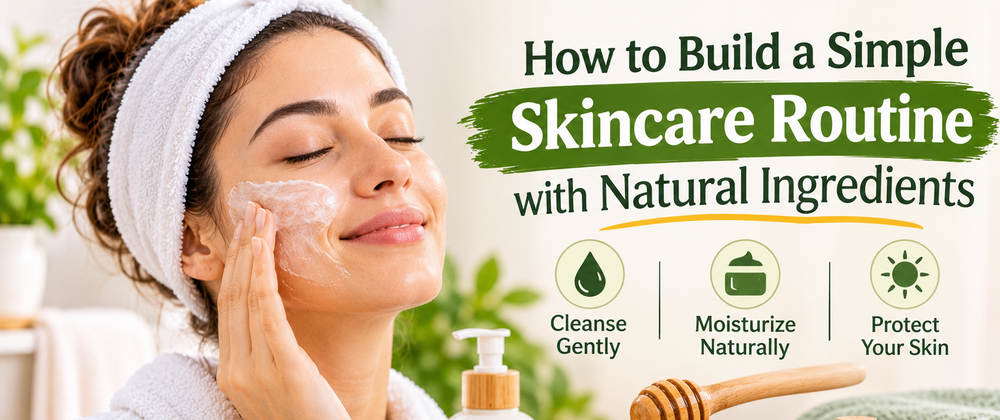

A good skincare routine does not need to involve a crowded bathroom shelf or a long list of complicated products. In many cases, a few carefully selected essentials are enough to keep skin clean, comfortable, and protected. Natural ingredients can play a role in this approach, offering options such as plant oils, aloe vera, oatmeal, and honey.
The key is knowing what your skin needs and choosing products that suit it. Natural ingredients are not automatically gentle or suitable for everyone, so it is important to consider their formulation, potential allergens, and how your skin responds. With a consistent routine and realistic expectations, you can build a simple approach to daily skincare without unnecessary steps.
Start by Understanding Your Skin
Before choosing products, take some time to understand your skin type and its common concerns. This helps you avoid buying products simply because they are popular or labeled as natural.
Common skin types include:
Dry skin: Often feels tight, rough, or flaky and may benefit from richer moisturizing products.
Oily skin: May develop excess shine, especially around the forehead, nose, and chin.
Combination skin: Has both oily and dry areas, often with an oilier T-zone.
Sensitive skin: May react easily to fragrances, essential oils, or certain active ingredients.
Normal skin: Generally feels balanced, although it can still experience occasional dryness or oiliness.
Skin needs can change with age, weather, hormones, and environmental conditions. Instead of treating your skin type as permanent, pay attention to how it behaves over time.
Build Your Routine Around Three Essentials
A practical skincare routine can begin with three basic steps: cleansing, moisturizing, and sun protection. Natural ingredients can complement these steps, but they should not replace products that serve important skincare functions.
1. Cleanse Gently
Cleansing removes sweat, excess oil, sunscreen, makeup, and everyday dirt. A gentle cleanser helps clean the skin without leaving it feeling excessively dry or tight.
Look for a product suited to your skin type. Formulas containing ingredients such as aloe vera or glycerin may be appropriate for people who prefer a gentle cleansing experience. However, the overall formula matters more than any single ingredient.
Wash your face with lukewarm water rather than very hot water, which can contribute to dryness and irritation. In most cases, cleansing once in the morning and once at night is sufficient. If your skin becomes dry or irritated, consider adjusting how often you cleanse.
2. Apply a Suitable Moisturizer
Moisturizing helps support the skin barrier and reduce water loss. Even oily skin can benefit from a moisturizer, although a lightweight lotion or gel may feel more comfortable than a thick cream.
Several naturally derived ingredients are commonly used in moisturizing products:
Aloe vera: Often included in lightweight gels and lotions for its soothing feel.
Shea butter: A rich emollient that helps soften dry skin.
Plant oils: Ingredients such as jojoba and sunflower seed oil can help condition the skin.
Oatmeal: Colloidal oatmeal is used in some products designed for dry or sensitive skin.
If you are exploring Manuka Honey for Skin, look for a properly formulated cosmetic product rather than assuming that raw honey will work for every skin type. Manuka honey is produced from nectar collected from Leptospermum plants and is used in some creams, balms, and masks. Its properties have attracted scientific interest, but cosmetic benefits depend on the finished formulation, and it should not be treated as a cure for skin conditions.
3. Use Sun Protection Every Morning
Sun protection is one of the most important parts of a daily skincare routine. Regular exposure to ultraviolet (UV) radiation contributes to sunburn, premature skin aging, and an increased risk of skin cancer.
Choose a broad-spectrum sunscreen with SPF 30 or higher and apply it as directed. Reapply according to the label, especially after swimming, sweating, or spending extended time outdoors.
Ingredients such as aloe vera or botanical oils may appear in after-sun or moisturizing products, but they do not replace sunscreen. A natural skincare routine should still include reliable sun protection.
Choose Natural Ingredients Carefully
Natural ingredients can be useful additions to personal care products, but they are not universally safe. Some botanical extracts and essential oils can irritate the skin or trigger allergic reactions.
Aloe Vera for Lightweight Care
Aloe vera is commonly found in gels and moisturizers. Its light texture makes it appealing to people who prefer products that do not feel heavy. Choose a product intended for topical use and check the ingredient list, as added fragrance or alcohol may not suit sensitive skin.
Oatmeal for Dry or Sensitive Skin
Colloidal oatmeal is finely ground oatmeal used in some skincare products. It can help soothe dry, itchy skin and support the skin barrier. It is available in creams, lotions, and bath products.
People with known oat allergies should review product ingredients carefully and seek professional advice if unsure about using it.
Plant Oils for Moisture
Jojoba, sunflower seed, and other plant oils are used in skincare because they help soften the skin and reduce moisture loss. Their texture and suitability vary, so choose a product based on your skin's needs rather than assuming that every oil is appropriate for facial use.
Avoid applying concentrated essential oils directly to the skin. They can cause irritation or allergic contact dermatitis, particularly when used undiluted.
How to Introduce New Ingredients Safely
One of the easiest ways to make a skincare routine manageable is to introduce products gradually. Adding several new ingredients at once makes it difficult to identify what caused a reaction if your skin becomes irritated.
Perform a Patch Test
Before using a new product widely, follow its patch-testing instructions. Apply a small amount to a discreet area of skin and monitor for signs of irritation. A patch test can help identify some reactions, although it cannot guarantee that a product will be suitable for everyone.
Stop using a product if you notice persistent redness, itching, swelling, burning, or a rash. Seek medical advice if symptoms are severe or do not improve.
Check Labels and Product Quality
When deciding where to buy manuka honey for skincare use, first consider whether you need raw honey or a finished cosmetic product. For a regular skincare routine, a product formulated for topical application is generally the more practical choice.
Check the ingredient list, intended use, storage instructions, and seller information. Avoid products that make exaggerated promises about curing acne, eczema, or other medical conditions. Ordinary food-grade honey is not a substitute for medical-grade preparations designed for specific clinical applications.
Keep Your Routine Simple and Consistent
A skincare routine works best when it is easy to follow. You do not need to use every natural ingredient available or change products whenever a new trend appears.
A simple morning routine could include:
- Gentle cleanser, if needed.
- Moisturizer suited to your skin type.
- Broad-spectrum SPF 30 or higher sunscreen. An evening routine could include:
- Gentle cleanser to remove sunscreen, makeup, and daily buildup.
- Moisturizer to support the skin barrier. You can add a targeted product when there is a clear reason to do so, but introduce it gradually. If you have persistent acne, ongoing irritation, or a diagnosed skin condition, consult a dermatologist rather than relying on home remedies. ## Final Thoughts Building a simple skincare routine with natural ingredients is about making thoughtful choices, not collecting as many products as possible. Gentle cleansing, consistent moisturizing, and daily sun protection provide a reliable foundation. Ingredients such as aloe vera, colloidal oatmeal, plant oils, and honey can complement that foundation when they are included in suitable formulations. Pay attention to your skin's response, read product labels, and introduce new ingredients one at a time. By keeping your routine practical and avoiding unsupported beauty claims, you can make informed skincare choices that support comfort and healthy-looking skin over time.







Top comments (0)