
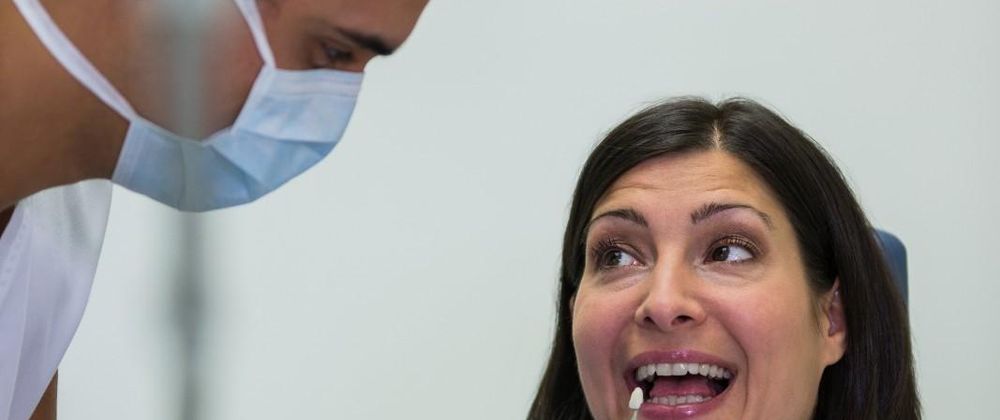

A missing tooth can be easy to notice, but the effects of a damaged or incomplete smile may extend far beyond appearance. Difficulty chewing, uncomfortable dentures, recurring restoration problems, or significant tooth wear can all indicate that your dental needs require more specialized attention. Knowing when to seek help can make it easier to address concerns before they become more complicated.
A prosthodontist dentist specializes in restoring and replacing teeth, particularly when dental problems involve multiple teeth, complex restorations, or changes in oral function. While general dentists manage many restorative procedures, prosthodontists receive advanced training focused on dental reconstruction, tooth replacement, bite relationships, and oral rehabilitation.
Recognizing the signs that may warrant a specialist consultation does not mean you automatically need extensive treatment. Instead, an evaluation can help determine what is happening and whether specialized restorative care is appropriate.
1. You Have One or More Missing Teeth
Tooth loss is one of the clearest reasons someone may consider prosthodontic care. Whether a tooth was lost because of decay, injury, gum disease, or another dental problem, leaving the space untreated can affect more than the appearance of a smile.
Missing teeth can make chewing certain foods more difficult. They may also influence how the remaining teeth contact one another. Over time, neighboring teeth can shift toward an open space, potentially changing the way the teeth meet.
A prosthodontist dentist can evaluate the available options for replacing missing teeth. Depending on the individual's oral health, treatment may include a dental implant, fixed bridge, partial denture, or another restoration.
The appropriate solution depends on several factors, including the condition of surrounding teeth, gum health, bone support, bite alignment, and personal preferences.
2. Your Teeth Are Severely Worn, Cracked, or Damaged
Teeth can gradually become worn from years of normal use. Certain habits, grinding, clenching, acid erosion, or untreated dental problems can accelerate this process.
When tooth surfaces become significantly worn down, the issue may involve more than aesthetics. Shortened teeth can affect chewing efficiency and alter the relationship between the upper and lower teeth.
Cracked or severely damaged teeth can present another challenge. Some may be restored with individual treatments, while extensive damage may require a more comprehensive assessment.
A specialist can evaluate the remaining tooth structure and determine which type of restoration may provide appropriate support. Depending on the situation, possibilities can include crowns, veneers, onlays, or other restorative solutions.
Rather than treating every damaged tooth independently, a prosthodontic evaluation can consider how the restorations will function together.
3. Your Dentures Are Loose or Uncomfortable
Dentures can provide valuable tooth replacement for people who have lost several or all of their natural teeth. However, their fit can change over time.
Changes in the gums and underlying bone may affect how a denture sits. As a result, an appliance that once felt secure may begin moving during meals or conversations.
Loose dentures can make chewing less comfortable and may cause sore spots or irritation. Some people may also become reluctant to eat certain foods or speak confidently because they are worried about their dentures shifting.
A prosthodontist dentist can assess the fit and condition of an existing denture and determine whether adjustment, replacement, or another tooth-replacement approach may be appropriate.
In some cases, implant-supported dentures may also be considered. These use dental implants to provide additional support for a removable restoration, although candidacy varies from person to person.
4. You Have Difficulty Chewing or Your Bite Feels Different
Changes in the way your teeth come together can be an important sign that your dental situation deserves attention.
You may notice that certain teeth touch sooner than others, your bite feels uneven, or chewing has become uncomfortable. These changes can sometimes occur after extensive dental work, tooth loss, significant wear, or changes in tooth position.
The bite, also called occlusion, describes how the upper and lower teeth interact. Restorations need to fit into this relationship appropriately.
If several teeth require treatment, simply repairing individual teeth without considering the overall bite may not provide the most suitable long-term approach.
A specialist can examine tooth contacts, jaw movement, existing restorations, and the condition of the surrounding structures. This information can help determine whether a coordinated restorative plan is needed.
5. You Need Several Dental Restorations at the Same Time
One crown or filling is very different from needing multiple teeth restored or replaced.
When several dental problems occur together, treatment can become more complicated. For example, a person might have missing teeth, worn enamel, old crowns, and bite changes at the same time.
Treating these concerns individually without an overall strategy can make it harder to achieve a balanced result.
This is where specialized treatment planning can be especially valuable. A prosthodontist dentist can look at the condition of the entire dentition and consider how different restorations should work together.
Depending on the situation, treatment may involve a combination of crowns, bridges, implants, dentures, or other restorations. The sequence of procedures may also matter.
Why These Signs Should Not Be Ignored
Dental problems do not always become serious overnight. Some develop gradually, allowing people to adapt to changes without realizing that their oral function has been affected.
For example, someone may chew only on one side because several teeth are uncomfortable. Another person may stop eating certain foods because a denture moves. Someone else may become accustomed to an uneven bite after years of tooth wear.
These adaptations can make a dental problem seem less urgent than it actually feels.
Seeking an evaluation can provide clarity. It does not necessarily mean committing to complex treatment. Instead, the appointment can help identify the cause of the problem and explain possible solutions.
What Can a Prosthodontic Evaluation Include?
A specialist consultation typically begins with a conversation about the patient's concerns and dental history.
The dental professional may ask about previous restorations, tooth loss, discomfort, chewing difficulties, denture use, or cosmetic concerns. A detailed oral examination can then assess the teeth, gums, bite, jaw relationship, and existing restorations.
Depending on the situation, diagnostic imaging, photographs, digital scans, impressions, or other assessments may be recommended.
The purpose of these evaluations is to gather enough information to create a treatment plan based on the individual's needs.
A comprehensive assessment can be especially important when several teeth are involved because the condition of one area may influence decisions about another.
Restoring More Than the Appearance of a Smile
Restorative dentistry is often associated with improving the appearance of teeth, but function is equally important.
A properly planned restoration should support everyday activities such as chewing and speaking. It should also be compatible with surrounding teeth and oral structures.
For example, replacing a missing tooth involves more than filling an empty space visually. The restoration needs to fit within the available space and interact appropriately with neighboring teeth.
Similarly, rebuilding worn teeth requires consideration of their size, shape, position, and relationship with opposing teeth.
This functional perspective is one reason prosthodontics can be valuable for complicated restorative cases.
Different Treatment Options May Be Available
There is rarely one universal answer for tooth replacement or restoration.
A patient with one missing tooth might be a candidate for an implant-supported crown or bridge. Someone with several missing teeth could potentially consider a partial denture, multiple implants, or an implant-supported bridge.
For complete tooth loss, treatment options may include conventional dentures or implant-supported solutions.
Damaged natural teeth may require crowns or other restorations depending on how much healthy structure remains.
The right choice depends on the patient's specific condition rather than simply selecting the most advanced-sounding option.
Questions to Ask Before Starting Treatment
If you are considering prosthodontic treatment, asking questions can help you understand the proposed plan.
You may want to ask:
- What is causing my current dental problem?
- Which treatment options are available?
- What are the advantages and limitations of each option?
- How long might treatment take?
- What maintenance will the restoration require?
- How could the treatment affect my bite and chewing?
- Are there alternatives to the recommended procedure?
Understanding these details can help you make a more informed decision.
The Importance of Long-Term Restoration Care
Receiving a new restoration is not the end of dental care. Crowns, bridges, dentures, and implant-supported restorations all require appropriate maintenance.
Natural teeth surrounding a restoration still need regular brushing and cleaning. Depending on the restoration, special flossing tools or cleaning methods may also be recommended.
Regular dental examinations can help monitor the condition of both natural teeth and restorations. Dentures may require professional assessment over time, especially if the fit changes.
Maintaining good oral hygiene and following professional instructions can support the longevity and function of restorative treatment.
When Should You Schedule an Evaluation?
If you are experiencing significant tooth loss, uncomfortable dentures, extensive tooth damage, chewing difficulties, or multiple restoration problems, a consultation may be worth considering.
You do not need to wait until every affected tooth becomes painful. Some restorative problems develop without causing obvious discomfort.
An evaluation can help identify concerns and clarify whether specialized prosthodontic treatment is appropriate.
The goal is not simply to repair what is currently visible. It is to understand the condition of the mouth and determine how restorative treatment can support oral function and appearance over time.
Conclusion
Several signs may suggest that specialized restorative dental care could be beneficial. Missing teeth, extensive tooth damage, loose dentures, bite changes, and multiple restoration needs can all create challenges that require careful treatment planning.
A prosthodontist dentist is trained to address complex tooth replacement and restoration needs while considering aesthetics, chewing ability, bite relationships, comfort, and long-term function.
If you recognize one or more of these signs, a professional evaluation can provide useful information about your options. Early assessment may also make it easier to understand the condition of your teeth and explore appropriate solutions before dental problems become more extensive.
FAQs
Can a prosthodontist help if I have only one damaged tooth?
Yes. Although prosthodontists often treat complex cases, they can also evaluate individual damaged teeth and determine whether a crown, veneer, or another restoration may be appropriate.
Are loose dentures always a reason to replace them?
Not necessarily. The issue may sometimes be addressed through adjustment or relining, depending on the condition and fit of the existing denture. A professional examination can determine what is appropriate.
Does tooth loss always require dental implants?
No. Dental implants are one tooth-replacement option, but bridges and removable dentures may also be appropriate depending on oral health, bone support, treatment goals, and individual circumstances.
Can severe tooth wear be restored?
In many cases, worn teeth can be restored, but the appropriate approach depends on the extent and cause of the wear. A comprehensive evaluation can help determine which restorative options may be suitable.







Top comments (0)