
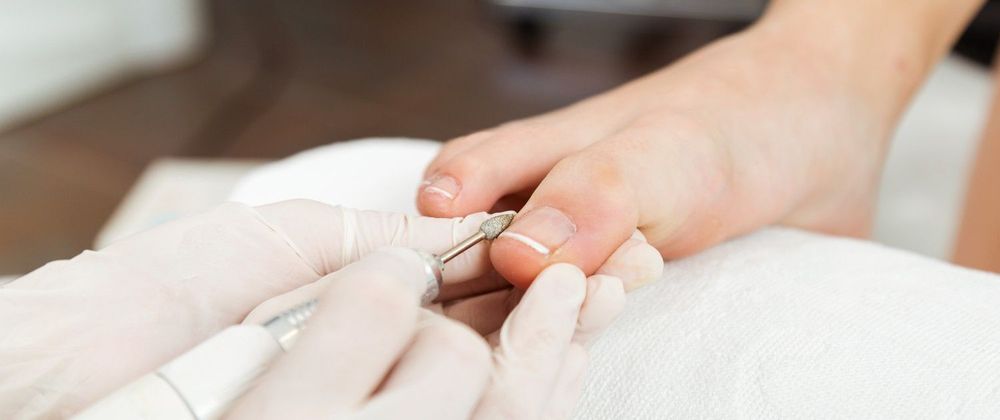

A sore corner of the toenail can seem like a minor problem, especially when the discomfort improves after soaking the foot or changing shoes. But when the pain keeps returning, the same nail repeatedly digs into the surrounding skin, or everyday activities become uncomfortable, home treatment may no longer be enough. Knowing when to continue conservative care and when to seek professional treatment can help prevent a small nail problem from becoming a persistent one.
For people experiencing frequent recurrences, permanent ingrown toenail removal may be one treatment option worth discussing with a healthcare professional. The decision should depend on the severity of the condition, its recurrence, the health of the surrounding tissue, and individual risk factors.
Is Every Ingrown Toenail a Reason for a Procedure?
No. Many mild ingrown toenails can improve with appropriate self-care. If the problem is limited to slight tenderness and there are no signs of infection or significant inflammation, conservative measures may sometimes be sufficient.
Changing to roomier footwear can reduce pressure on the affected toe. Keeping the feet clean and dry can support healthy skin, while avoiding aggressive cutting or picking at the nail can prevent additional irritation.
However, improvement is different from a permanent solution. If symptoms repeatedly disappear and then return as the nail grows, the underlying nail-growth pattern may still be causing the problem.
This is one situation in which permanent ingrown toenail removal may enter the discussion. A healthcare professional can determine whether definitive treatment is appropriate or whether conservative management remains reasonable.
What Does a Recurring Ingrown Toenail Tell You?
Recurrence is an important clue. If the same toenail becomes ingrown several times, something may be consistently causing the nail edge to press into the surrounding skin.
Possible contributors include:
- Naturally curved or unusually shaped toenails
- Cutting the corners too deeply
- Trimming nails excessively short
- Repeated pressure from narrow footwear
- Previous trauma to the toe
- Changes in nail growth
- Excessive pressure on the front of the foot
Simply removing the visible nail corner may provide temporary relief without changing the reason the nail keeps becoming problematic.
When recurring episodes interfere with normal life, permanent ingrown toenail removal can be considered as a way of addressing the troublesome portion of the nail more definitively.
When Is Home Treatment Reasonable?
Home care may be suitable for a mild case when symptoms are limited and there are no concerning signs.
Depending on individual circumstances, basic measures may include keeping the foot clean, wearing comfortable footwear, avoiding pressure on the toe, and following appropriate nail-care practices.
The key is to monitor the condition rather than assuming that every ingrown toenail will resolve on its own.
If discomfort gradually improves and the skin returns to normal, continued preventive care may be enough. If the toe becomes increasingly painful, swollen, or irritated, delaying evaluation may allow the problem to become more difficult to manage.
A recurring condition should be evaluated differently from a first, mild episode. In some cases, permanent ingrown toenail removal may provide a more suitable long-term approach.
Signs That It Is Time to Seek Professional Care
Certain symptoms suggest that professional evaluation should not be postponed.
Increasing redness around the nail, significant swelling, persistent pain, warmth, drainage, or pus can indicate inflammation or infection. Difficulty walking or wearing normal footwear is another reason to have the toe assessed.
You should also seek medical advice if:
- The condition keeps returning
- Home care has not produced lasting improvement
- The nail is severely curved or thickened
- The skin around the nail has become increasingly irritated
- The toe has been injured
- The problem interferes with work, exercise, or sleep
At this stage, asking whether permanent ingrown toenail removal is appropriate may be more useful than repeatedly treating the same symptoms.
Why Repeated Home Treatment May Not Be Enough
Conservative care can reduce pressure and irritation, but it cannot always change the way a nail grows.
Imagine a nail whose side repeatedly curves downward into the skin. Soaking the foot may temporarily soften the tissue and make the toe feel better, but the nail may continue growing in the same direction.
Likewise, trimming the visible corner can provide temporary relief but may not prevent the same edge from returning.
This is why recurrent ingrown toenails require a different conversation from occasional mild irritation. If the underlying cause remains, symptoms can follow the nail's growth cycle.
In selected cases, permanent ingrown toenail removal may target the portion responsible for repeated irritation instead of requiring the person to manage each recurrence separately.
What Happens When You Seek Professional Evaluation?
An evaluation generally begins with an examination of the affected toe. The healthcare professional may look at the nail's shape, the surrounding skin, signs of inflammation, and whether infection is present.
They may also ask how often the problem occurs, whether previous treatments helped, what type of footwear you normally use, and whether you have any health conditions that could affect foot healing.
The purpose of this assessment is not automatically to recommend a procedure. It is to determine what is actually causing the problem and which treatment approach makes sense.
Depending on the findings, recommendations may range from continued conservative care to partial nail treatment or another appropriate intervention. For people with repeated episodes, permanent ingrown toenail removal may be discussed as a potential option.
How Does a Permanent Procedure Differ From Temporary Relief?
Temporary treatment focuses primarily on reducing the symptoms of the current episode. A definitive procedure aims to address the nail portion responsible for recurring problems.
The exact technique varies. In some situations, only the problematic side of the nail is treated. In others, a different approach may be considered based on the nail's condition.
The objective is not simply to remove a nail because it hurts. Instead, the treatment is designed to reduce the likelihood that the same nail edge will repeatedly grow into the surrounding tissue.
That distinction is important when considering permanent ingrown toenail removal. The appropriate procedure should be selected according to the individual's anatomy and clinical circumstances.
Will You Need the Entire Nail Removed?
Not necessarily.
Many ingrown toenail procedures focus on the affected portion rather than removing the entire nail. Preserving unaffected nail tissue may be possible depending on the problem.
A complete nail procedure may be considered in particular circumstances, but it is not automatically required simply because an ingrown toenail has recurred.
The best approach depends on factors such as nail shape, severity, recurrence, previous treatment, and surrounding tissue.
Anyone considering permanent ingrown toenail removal should therefore ask what portion of the nail needs to be treated and why that particular approach is being recommended.
What About Pain During and After Treatment?
Concern about discomfort can make people hesitant to seek treatment. Procedures on an ingrown toenail can generally be performed using local anesthesia to numb the area.
Although you may notice pressure or movement during treatment, the purpose of anesthesia is to reduce procedural discomfort.
Afterward, some tenderness can occur as the toe heals. The amount and duration vary according to the procedure and the individual's healing response.
Your healthcare professional can provide specific instructions about wound care, activity, footwear, and pain management. Following these instructions is an important part of recovery after permanent ingrown toenail removal.
People Who Should Be Especially Careful With Self-Treatment
Not everyone should attempt prolonged home treatment for an ingrown toenail.
People with diabetes, reduced circulation, nerve problems, immune-system disorders, or previous foot complications may require a more cautious approach. A small injury can sometimes become more serious when healing is impaired or sensation is reduced.
These individuals should seek professional advice rather than repeatedly cutting into the nail or surrounding skin themselves.
Even without an underlying medical condition, worsening symptoms deserve attention. A painful toe that is becoming more swollen or producing drainage should not simply be ignored.
How Can You Prepare for a Professional Consultation?
Before an appointment, it can be useful to note how frequently the ingrown toenail has returned and what treatments you have already tried.
Consider whether the problem affects one particular toe, whether it occurs on the same side of the nail each time, and whether certain shoes make symptoms worse.
You can also prepare questions such as:
- Is my ingrown toenail likely to recur without a procedure?
- Would partial nail treatment be appropriate?
- What happens during the recommended procedure?
- How long might recovery take?
- What activities should I avoid afterward?
- What can I do to reduce future nail problems?
Having this information available can make the discussion about permanent ingrown toenail removal more productive and help you understand why a particular treatment is being recommended.
Prevention Still Matters After Treatment
Even after definitive treatment, healthy foot-care habits remain important. Wear shoes that provide adequate room around the toes and avoid unnecessary pressure on the nail.
Toenails should generally be trimmed carefully rather than aggressively cut into the corners. Avoid attempting to dig underneath the nail with sharp objects, as this can injure the surrounding skin.
If a new nail abnormality develops, addressing it early can prevent unnecessary irritation.
Long-term foot care complements permanent ingrown toenail removal by reducing avoidable pressure and trauma that could contribute to future nail problems.
Making the Decision: Home Care or Professional Treatment?
The choice should not be based solely on how painful the toe feels on a particular day. A recurring ingrown toenail may temporarily settle down before returning again.
Instead, consider the overall pattern.
If this is your first mild episode and the skin is not significantly inflamed, conservative care may be reasonable. If the same nail repeatedly becomes ingrown, symptoms persist despite appropriate care, or inflammation is worsening, professional evaluation becomes more important.
For some people, permanent ingrown toenail removal may offer a practical way to address repeated recurrence. For others, a non-procedural approach may remain appropriate.
The safest decision comes from understanding the cause of the problem and discussing suitable options with a qualified healthcare professional.
Conclusion
An occasional mild ingrown toenail may improve with appropriate foot care, but repeated episodes deserve closer attention. Constantly treating the symptoms without addressing the reason the nail keeps becoming ingrown can lead to a frustrating cycle of temporary improvement followed by recurrence.
Permanent ingrown toenail removal may be considered when a nail repeatedly causes problems or conservative measures are no longer providing lasting relief. It does not necessarily mean removing the entire nail; in many situations, treatment can focus on the problematic portion.
Before choosing a procedure, consider the severity of the condition, recurrence history, healing factors, and potential treatment options. Professional evaluation can help determine whether definitive treatment is appropriate for your particular situation.
FAQs
1. How many times can an ingrown toenail return before treatment is considered?
There is no universal number of recurrences that automatically requires a procedure. The frequency and severity of episodes, response to conservative care, and individual risk factors are more important than a specific number.
2. Can wearing different shoes help an ingrown toenail?
Yes, footwear with adequate space around the toes can reduce pressure on the nail and surrounding skin. However, changing shoes may not correct an underlying nail-growth problem that causes repeated recurrence.
3. Is an ingrown toenail always infected if it is painful?
No. Pain can result from pressure and inflammation without an infection being present. Increasing redness, warmth, swelling, pus, or spreading symptoms should be assessed by a healthcare professional.
4. Should I cut out the ingrown corner myself?
Digging into or cutting deeply around the affected corner can injure the skin and potentially worsen the problem. If the nail continues to grow into the skin, professional assessment is a safer option.





Top comments (0)