
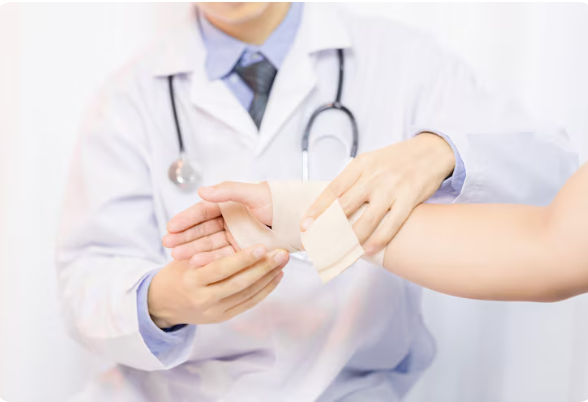

Choosing where to receive wound treatment is an important decision, especially when a wound has not healed as expected. A clinic that understands different types of wounds can provide more than routine dressing changes. It can help identify why healing is delayed, monitor changes over time, and develop care that fits the patient's condition. If you are searching online for a wound care clinic near me, knowing what to look for can make the process easier and help you ask better questions before scheduling an appointment.
Why Choosing the Right Wound Care Provider Matters
Not every wound is the same. A minor cut may heal with basic care, while a diabetic foot ulcer, pressure injury, venous ulcer, infected wound, or surgical wound may require more detailed management.
Wound healing can be influenced by circulation, blood glucose levels, pressure, infection, nutrition, mobility, medications, and other health factors. A suitable wound-care provider should therefore look beyond the visible wound and consider the circumstances affecting its recovery.
When comparing a wound care clinic near me, consider whether the clinic approaches wound treatment as an individualized process rather than offering exactly the same care to every patient.
Start With the Type of Wound You Have
Before comparing clinics, identify what you know about your wound. You do not need to diagnose yourself, but understanding the general category can help you determine whether a clinic has experience with your needs.
Chronic Wounds
A chronic wound remains open or fails to progress normally through healing. These wounds may be associated with diabetes, poor circulation, prolonged pressure, or other conditions.
Diabetic Wounds
Foot wounds can be particularly concerning for people with diabetes because reduced sensation and circulation problems may make injuries harder to notice and slower to heal.
Venous or Circulation-Related Wounds
Some lower-leg wounds are associated with problems involving blood flow. Treatment may require attention to the underlying circulation issue as well as the wound itself.
Pressure Injuries
Pressure injuries can develop when prolonged pressure affects areas such as the heels, hips, or other parts of the body. Mobility and pressure relief can be important components of management.
Surgical Wounds
Incisions that become separated, increasingly painful, swollen, or unusually drained may need professional evaluation and follow-up.
A wound care clinic near me should ideally have experience relevant to the particular type of wound being treated.
Look for Thorough Wound Assessment
One of the most important things to consider is how the clinic evaluates wounds.
Effective assessment may involve examining the wound's size, depth, location, tissue appearance, drainage, odor, surrounding skin, and signs of infection. The healthcare professional may also ask about how the wound developed and how it has changed.
The assessment can extend beyond the wound itself. Depending on the situation, factors such as circulation, sensation, mobility, nutrition, blood glucose control, and pressure exposure may need consideration.
Ask whether the clinic develops a treatment plan after evaluating these factors. A wound care clinic near me should be able to explain what is being assessed and why that information matters.
Consider the Range of Wound Treatment Available
Wound treatment is not limited to applying a dressing. The appropriate approach depends on the wound's characteristics and the factors affecting healing.
Depending on individual needs, care may include wound cleansing, appropriate dressings, removal of unhealthy tissue when medically indicated, infection management, pressure relief, compression when appropriate, or strategies designed to support tissue repair.
Some patients may require coordination with other healthcare professionals when diabetes, circulation problems, nutrition, mobility, or another underlying issue is affecting recovery.
When evaluating a wound care clinic near me, ask what types of wound-management services are available and whether treatment plans are adjusted as the wound changes.
Ask How Progress Is Monitored
Wound care is often an ongoing process rather than a single appointment. A wound may change considerably over several weeks, and treatment may need to be modified as healing progresses.
A good wound-care process should include appropriate follow-up. The healthcare professional may monitor wound dimensions, tissue changes, drainage, surrounding skin, pain, and other indicators of progress.
Regular reassessment can also help identify when a treatment approach is not producing the expected results.
Before selecting a wound care clinic near me, ask how frequently patients are normally reassessed and how changes in the wound are documented.
Evaluate Communication and Patient Education
Wound treatment is not only about what happens inside the clinic. Patients and caregivers often need to continue aspects of wound care between appointments.
Clear instructions can help patients understand how to protect the wound, manage dressings, recognize concerning changes, and follow recommendations related to mobility or pressure.
A clinic should also give patients an opportunity to ask questions. You should feel comfortable asking why a particular dressing is recommended, how long treatment may take, what symptoms require attention, and what steps can support healing.
When considering a wound care clinic near me, pay attention to whether explanations are understandable and whether your concerns are taken seriously.
Check Whether the Clinic Understands Underlying Causes
Treating the visible wound without considering why it developed can leave an important part of the problem unaddressed.
For example, repeated pressure may contribute to a wound in someone with limited mobility. Poor circulation may interfere with healing in a lower-leg wound. Reduced sensation may allow a person with diabetes to overlook an injury on the foot.
A comprehensive wound-care approach considers these contributing factors whenever relevant.
Ask potential providers how they investigate delayed healing. A wound care clinic near me should be prepared to consider the broader picture instead of focusing exclusively on the surface appearance of the wound.
Pay Attention to Infection Management
Infection is an important concern in wound care. Changes such as increasing redness, warmth, swelling, pain, pus, unpleasant odor, or worsening drainage may require professional assessment.
However, not every change in a wound automatically means infection. Proper evaluation is important because treatment should be based on the wound's clinical findings rather than assumptions.
When comparing a wound care clinic near me, ask how concerning changes are evaluated and what happens if a wound shows signs of infection or deterioration.
Consider Accessibility and Follow-Up Convenience
Practical factors matter when wound treatment requires repeated visits. If the clinic is difficult to reach, maintaining appointments may become challenging.
Consider travel time, appointment availability, accessibility for people with limited mobility, and whether the clinic can accommodate the expected frequency of follow-up.
Convenience should not replace quality, but a practical location can make consistent care easier.
When searching for a wound care clinic near me, compare accessibility alongside clinical capabilities rather than selecting a facility based only on distance.
Questions to Ask Before Your First Appointment
Having questions ready can make your first visit more productive. Consider asking:
- What type of wound do you think I have?
- What factors could be slowing the healing process?
- How will the wound be monitored?
- What dressing or treatment is appropriate for my wound?
- How often should the wound be reassessed?
- What changes should prompt me to contact the clinic?
- What can I do at home to protect the wound?
- Are there factors such as pressure, circulation, nutrition, or blood glucose that need attention?
The answers can help you understand the proposed treatment and determine whether the provider is a suitable fit.
Be Careful With Claims About "Fast" Healing
When searching for a wound care clinic near me, you may encounter claims promising extremely rapid healing. Be cautious about guarantees.
Healing time varies significantly between patients. A small superficial wound and a deep chronic ulcer should not be expected to heal on the same schedule. Diabetes, circulation problems, infection, wound size, tissue damage, nutrition, age, mobility, and other factors can influence recovery.
A responsible healthcare provider should explain realistic expectations rather than guaranteeing a particular outcome.
The goal of wound care should be appropriate assessment, evidence-based management, prevention of complications, and steady progress whenever possible.
Understand the Importance of Individualized Dressings
There is no single dressing that is ideal for every wound. Dressing selection can depend on factors such as moisture level, drainage, tissue condition, infection risk, wound location, surrounding skin, and the frequency with which the dressing needs to be changed.
Using the wrong product or changing a dressing incorrectly can sometimes irritate the surrounding skin or interfere with appropriate wound management.
A professional evaluation can help determine which type of dressing is suitable for the current condition of the wound.
If you are comparing a wound care clinic near me, ask how dressing choices are made and whether the plan will be updated as healing progresses.
Look Beyond the First Appointment
A wound may appear different from one visit to the next. This is why ongoing monitoring can be just as important as the initial assessment.
As the wound improves, treatment may need to change. Conversely, unexpected deterioration may indicate that additional evaluation is needed.
Ask about the clinic's approach to follow-up and what happens if the wound does not respond as expected.
The right wound care clinic near me should provide a pathway for ongoing management rather than treating each visit as an isolated event.
Signs You Should Not Delay Professional Evaluation
You should not wait for a convenient routine appointment if a wound is accompanied by potentially serious symptoms.
Seek prompt medical attention for significant or rapidly increasing pain, spreading redness, substantial swelling, fever, uncontrolled bleeding, rapidly changing or darkening tissue, severe drainage, or other signs of serious illness.
People with diabetes, reduced circulation, reduced sensation, or a history of difficult-to-heal wounds should be especially attentive to changes.
If you are unsure how serious a wound may be, professional evaluation is safer than relying solely on online information or home remedies.
How to Make Your Final Choice
After comparing your options, consider the overall quality of the care process.
A suitable clinic should provide appropriate wound assessment, individualized treatment, clear communication, follow-up, and attention to factors that may interfere with healing. It should also help you understand what to expect from treatment and what you can do between appointments.
Distance, appointment convenience, and accessibility are useful considerations, but they should be balanced with the clinic's ability to manage your particular wound.
Rather than choosing the first result that appears after searching wound care clinic near me, take a moment to compare whether the provider's experience, treatment approach, communication, and follow-up process match your needs.
Conclusion
Finding an appropriate wound-care provider can make the treatment process more organized and informed. The best choice is not necessarily the clinic that is closest or makes the most impressive promises. Look for a provider that evaluates the entire wound, considers underlying causes, explains treatment clearly, monitors progress, and adjusts care when necessary.
If you are searching for a wound care clinic near me, use the search as the beginning of your decision-making process rather than the final step. Ask relevant questions, understand the type of care offered, and consider whether the clinic can provide the ongoing assessment your wound may require. Professional wound management combined with appropriate care at home can support the healing process while helping reduce preventable complications.
FAQs
1. What should I bring to a wound-care appointment?
Bring information about when the wound started, how it occurred, previous treatments, current medications, relevant medical records if available, and any instructions you have already received. A list of questions can also help you make the most of the appointment.
2. Does a wound-care clinic only treat chronic wounds?
No. Wound-care services can address different types of wounds, including chronic wounds, diabetic ulcers, pressure injuries, surgical wounds, and other wounds that require specialized assessment or management.
3. How long does a wound-care appointment usually take?
The duration varies according to the wound's complexity and the assessment or treatment required. An initial consultation may take longer because the healthcare professional needs time to evaluate the wound and discuss its history and treatment plan.
4. Should I choose a clinic based only on how close it is?
Not necessarily. Location is useful, particularly when multiple follow-up appointments are needed, but experience with your type of wound, quality of assessment, treatment options, communication, and follow-up should also influence your decision.






Top comments (0)