
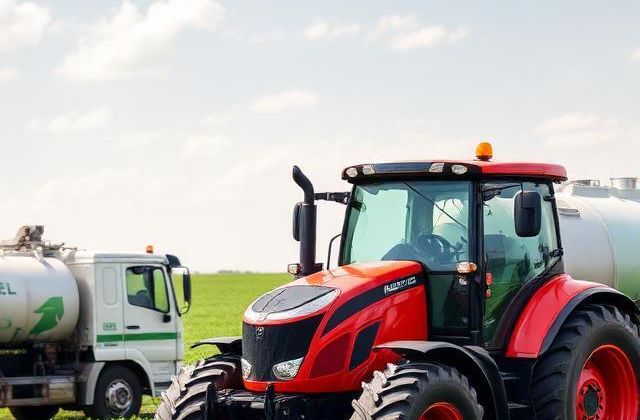

Farming in the UK has always required a good plan, but as we move through April 2026, the cost of keeping the lights on and the tractors moving is a top priority. Following the "oil shock" in March, global prices have jumped, and new tax rules are on the way. Managing your UK farming fuel is now one of the most important things you can do to protect your profits and keep your business healthy.
Getting Help from Agricultural Oil Suppliers
Your best friend during a busy season is a reliable team of agricultural oil suppliers. These are the people who make sure you never run dry when the sun is out and it is time to work. In 2026, a good supplier does more than just fill a tank; they use technology like smart sensors to watch your fuel levels for you. This means you can focus on the fields while your farm fuel suppliers take care of the timing. Finding a supplier you trust—one who is honest about the current high prices—is the first step to a stress-free year.

The Basics of Red Diesel Delivery
For the big jobs in the field, most farmers rely on a regular red diesel delivery. This is the special fuel that has a red dye in it to show it is for farm work only. It is much cheaper than the fuel you buy at a petrol station because it has a lower tax. However, prices this April are high, averaging around 124.87p per litre. You must also be careful only to use it in tractors and other off-road machines. Using red diesel in a normal car is against the law and can lead to big fines.
Booking a Reliable Farm Fuel Delivery
When the weather clears and you need to get to work, you cannot afford to wait for a tanker. A quick and easy farm fuel delivery is the lifeblood of a productive season. During the busy spring months, every farmer in the country is ordering at the same time, especially with the current market volatility. To avoid any delays, it is a smart idea to order your fuel at least a week before you actually need it. If you have a big enough tank, buying in bulk now can also help you beat the upcoming tax hikes scheduled for later this year.
Keeping the Yard Warm with Industrial Heating Oil
If you have a grain dryer or large sheds for animals, you probably use a lot of industrial heating oil. This fuel is made specifically for big heaters and boilers rather than tractor engines. It is a very efficient way to create steady heat for your livestock or your crops. Most industrial oil suppliers can bring this to your farm at the same time as your tractor fuel, which keeps things simple and keeps the number of delivery trucks on your driveway to a minimum.
Taking Care of Domestic Heating Oil
The farmhouse is the heart of the home, and it needs its own supply of domestic heating oil. Since most UK farms are not connected to the main gas pipes, they use kerosene to stay warm and have hot water. Prices for this oil have been high this spring following the conflict in the Middle East. One simple trick is to check your tank for leaks or rust before the winter starts, as losing fuel to the ground is a very expensive mistake in today's market.

Saving Money on Your Domestic Fuel Delivery
One of the easiest ways to cut costs is to coordinate your home fuel with your farm fuel. When you call for a farm drop, you can ask for a domestic fuel delivery at the same time. This is often called a "split-load." By getting the house tank filled during the same trip as the tractor tanks, your supplier will often give you a discount. It saves them a journey and saves you money, which is a win for everyone on the farm.
Simple Steps for Safer Storage
With fuel being so expensive in 2026, keeping it safe is vital. UK law says that big fuel tanks must be "bunded," which means they have an outer wall to catch any spills. This protects the soil and nearby streams from pollution. It is also a good idea to keep your tanks locked and in a place where you can see them from the house. Adding a small amount of fuel additive to your tank is another great idea; it keeps the fuel fresh and stops a thick slime called "diesel bug" from growing and clogging up your tractor engines.
Looking Ahead to Tax Changes
It is important to remember that the current 5p fuel duty cut will start to go away later this year. Starting September 1, 2026, the tax will rise by 1p, followed by another 2p in December. This means your UK farming fuel will naturally get more expensive even if oil prices stay the same. By staying in touch with your suppliers and planning your bulk deliveries early, you can stay ahead of the game and keep your farm moving forward.






Top comments (0)